 11/16 ,2026
When a busy kitchen runs short on cold storage, staff may waste time searching for ingredients or moving products between units. A Commercial Refrigeration Equipment Manufacturer can help businesses choose equipment that fits their menu, floor plan, and daily workload. This guide explains how to select a commercial upright refrigerator for restaurants, maintain safe storage conditions, and compare product specifications before buying.

A commercial upright refrigerator is a vertical, cabinet-style appliance designed to keep chilled food and ingredients in a commercial setting. It usually has one or more hinged or glass doors, adjustable shelves, an insulated cabinet, and a powered refrigeration system. Compared with a chest-style unit, its vertical layout can make products easier to see and reach when staff open the door often.
In product specifications, gross capacity describes the cabinet’s total internal volume, while usable capacity reflects the space available for stored products after shelves and internal parts are considered. Ambient operating temperature indicates the surrounding air conditions under which the equipment is designed to operate. These terms matter because a unit that performs well in a cool storeroom may face a heavier workload beside a hot cooking line.
A refrigerator is not a substitute for safe handling practices. The U.S. Food and Drug Administration’s sets a cold-holding limit of 41°F (5°C) for time/temperature control for safety food in applicable food-service settings. The Food Code is a model code; operators should check the rules adopted by their state or local health authority.
Upright refrigerators are used anywhere staff need organized, chilled storage with frequent access. The right configuration depends on what is stored, how often the door opens, and how much space is available.
A commercial vertical refrigerator for foodservice should be matched to the actual load, not just the available floor area. Consider the number of pans, cartons, or beverage cases that must fit, as well as the space needed for air to circulate around stored products.
Correctly selected refrigeration supports food quality, organized work, and compliance with local food-safety requirements. It can also reduce avoidable operating costs, but energy use depends on the model, installation, room conditions, door habits, and maintenance.
The U.S. Department of Energy publishes conservation standards and test procedures for commercial refrigeration equipment. Its is a useful reference when reviewing regulatory and test requirements. Always check the current rules that apply to the product’s market.
List the products the unit will hold and estimate the peak amount present during the busiest shift. Check shelf dimensions, usable capacity, pan compatibility, and maximum loading guidance. Avoid packing products tightly against air outlets, because blocked airflow can affect temperature distribution.
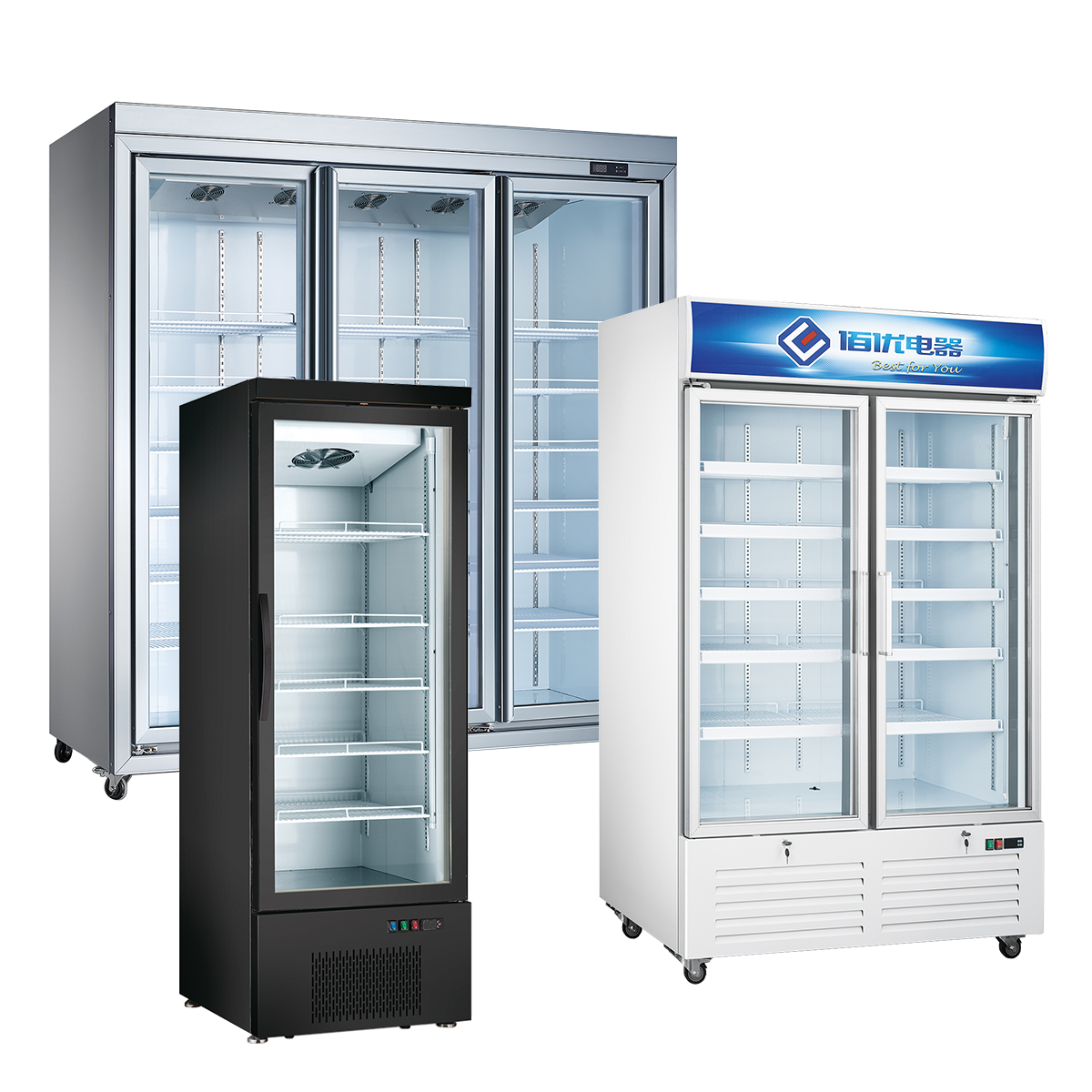
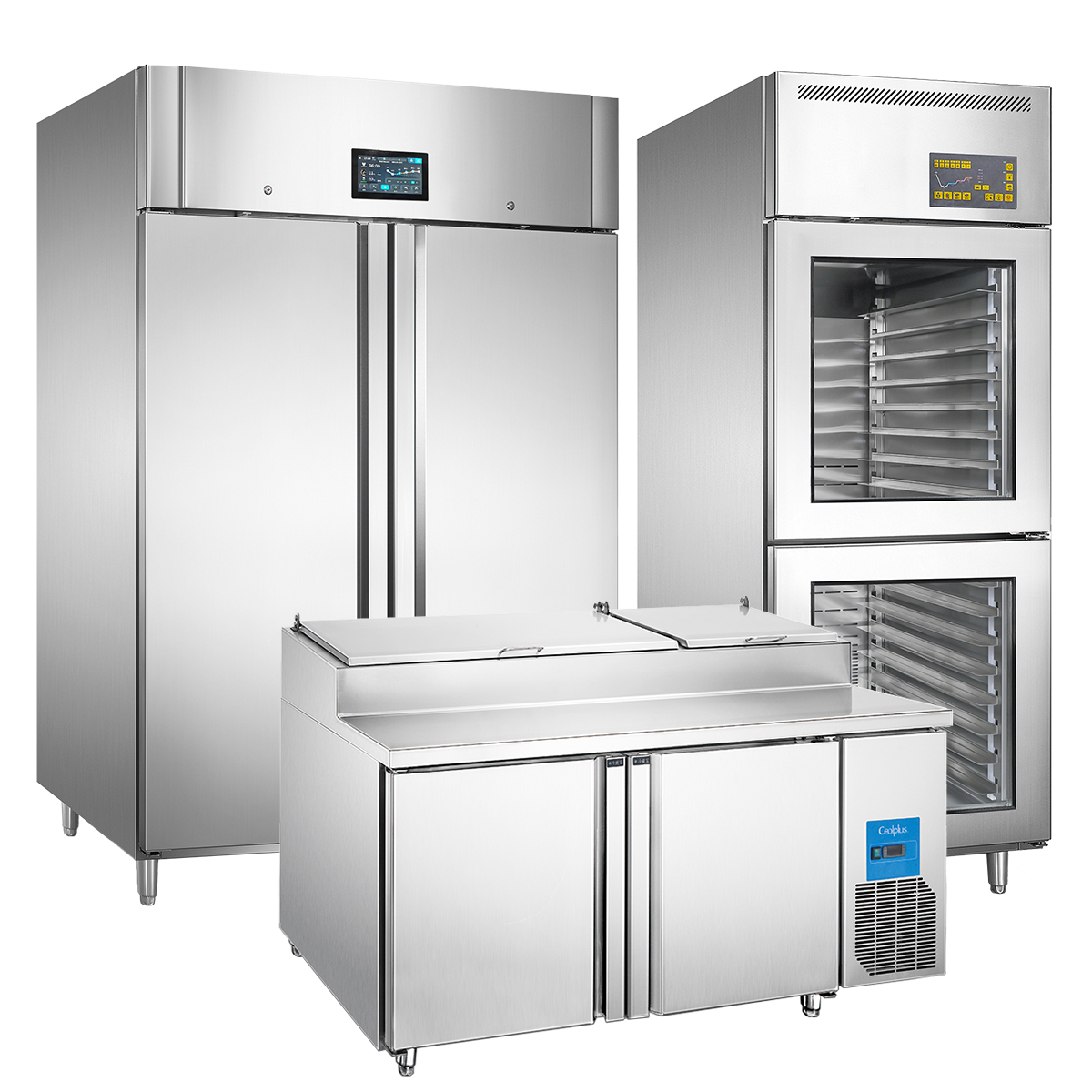
Solid doors are commonly selected for back-of-house storage, while glass doors can support product visibility in customer-facing areas. Review the number and position of doors, shelf adjustability, door swing, handles, and whether the unit can pass through the building’s entrances and corridors.
Ask for the specified operating ambient range and installation clearances. Heat from ovens, direct sunlight, poor ventilation, and frequent door opening can increase the refrigeration load. Confirm the required power supply, plug or wiring details, drain arrangements if applicable, and any site-specific installation requirements before ordering.
Request the product’s technical data sheet, rated energy-use information, temperature range, refrigerant details, and applicable test or certification documents. Compare like with like: cabinet size, door type, intended use, and test conditions can all affect reported figures. Do not rely on a general claim such as “low energy” without a model-specific value and test basis.
Look for smooth, accessible surfaces and removable shelves or components that can be cleaned according to the manufacturer’s instructions. Ask how to clean the condenser area, how often inspection is recommended, what the warranty covers, and where service and spare parts are available.
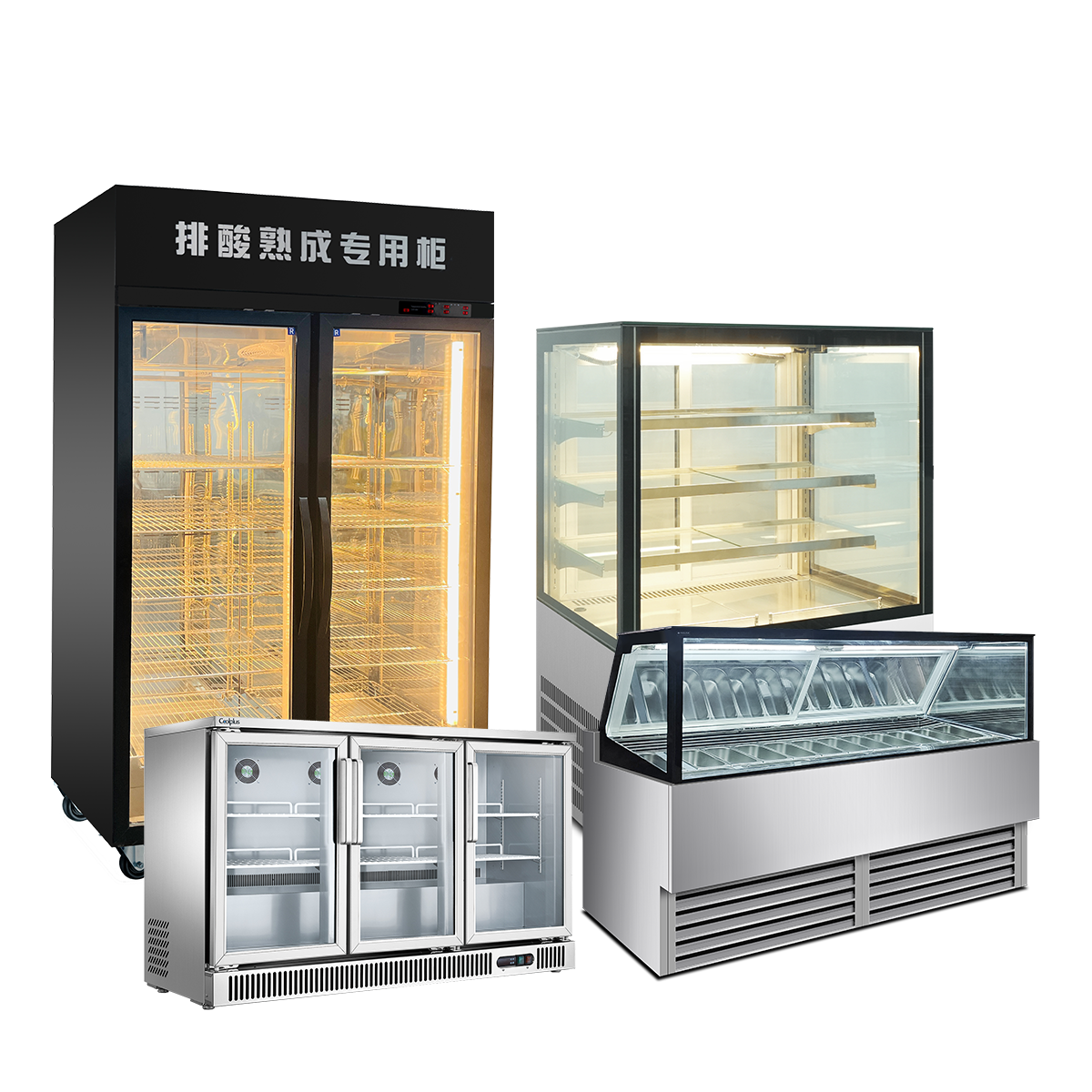
Ask the supplier to state the exact model, dimensions, usable capacity, electrical requirements, delivery terms, warranty, included accessories, and commissioning responsibilities. If you need a commercial display refrigerator for food service, confirm that it is designed for the expected use rather than assuming a standard storage cabinet will meet merchandising needs.
Before placing an order, ask the manufacturer or authorized supplier specific questions and request answers in writing:
A dependable Commercial Refrigeration Equipment Manufacturer should be able to explain model-specific specifications clearly. Compare documentation and service support, not just the purchase price.
Proper installation and operating habits help the appliance work as intended. Follow the model’s manual and local requirements; the steps below are general checks, not a replacement for the manufacturer’s instructions.
Cleaning frequency depends on use, the site environment, and the product manual. A written schedule makes responsibilities clear and helps staff spot changes early.
Keep maintenance records with the model and serial number, service dates, observed problems, and actions taken. These details help technicians diagnose recurring issues.
Requirements depend on the food, jurisdiction, and operation. The FDA Food Code 2022 specifies 41°F (5°C) or below for cold holding applicable time/temperature control for safety food. Check the rules adopted by your local authority and verify actual product conditions with your food-safety procedures.
It can be, if the model is designed for the intended use and the door, capacity, temperature performance, and cleaning needs fit the kitchen. Glass doors improve visibility but may not be the best choice for every back-of-house location. Compare the exact product specifications.
Estimate peak inventory and the space needed for containers, trays, and airflow. Check usable capacity and shelf dimensions rather than choosing by external size alone. A supplier can review your product list and layout, but confirm the proposed fit before purchasing.
Use model-specific energy-use figures and compare products with similar capacity, configuration, and intended application. Check whether the model is listed in ENERGY STAR resources and review the testing basis. Actual consumption can vary with room temperature, door openings, loading, and maintenance.
Only if the installation instructions and site conditions allow it. Nearby heat can increase the cooling load and affect operation. Check required clearances and ambient limits, and ask the manufacturer or installer to assess the planned location.
Check that the door is fully closed, the unit is not overloaded, and air outlets are clear. Follow your food-safety plan to protect or assess stored food, record the temperature, and contact qualified service support if the problem continues. Do not assume the food is safe solely because the unit restarts.
Before buying, prepare a list of stored products, peak quantities, available floor space, site power details, and local food-safety requirements. Then compare model-specific specifications, energy information, warranty coverage, and service access. Read the product user guide before installation and train staff on temperature checks, loading, cleaning, and fault reporting.
For more information, review BEU product materials and ask the BEU team whether a model matches your application. Request the current technical sheet, user guide, and written quotation before making a purchase. A properly selected commercial upright refrigerator for restaurants should fit both the daily workflow and the site’s documented operating requirements.

To visit Guangzhou BEU Electric Appliance Co., Ltd. (called as BEUEA below) website, you are agreeing the terms and conditions within this policy.
BEUEA respects your privacy and will protect your information remains confidential.
We will not lease, sell, or rent your information to the third party for their independent use under any circumstances.