 11/20 ,2026
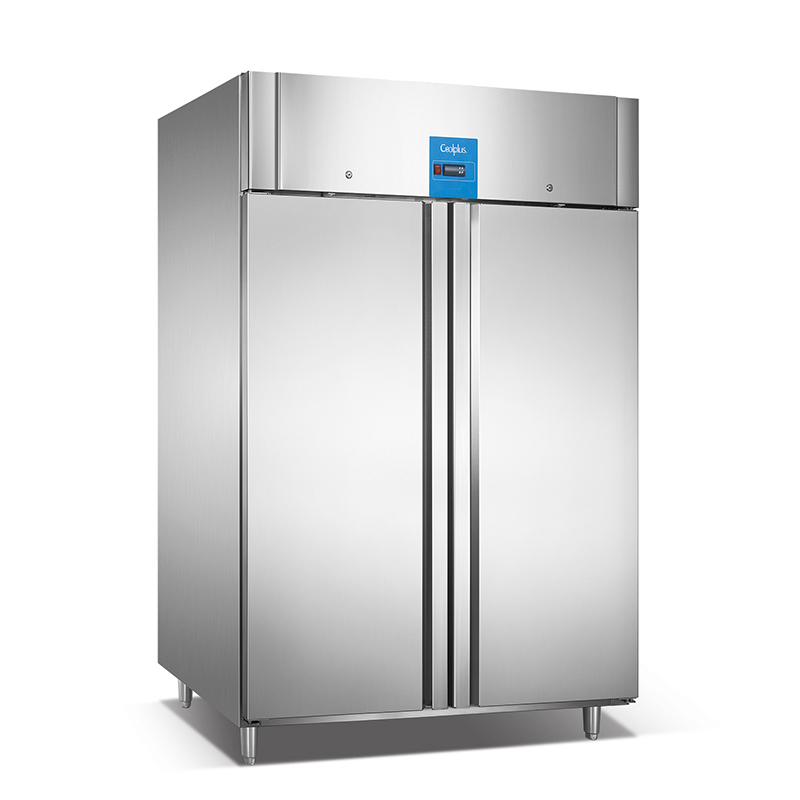
When a busy kitchen's refrigerator runs warm, food safety, service speed, and stock costs are all at risk. A routine built around a commercial upright refrigerator maintenance checklist can help operators catch problems before a breakdown disrupts a shift. This guide explains how to clean commercial refrigerator condenser coils, monitor safe holding temperatures, and troubleshoot common issues. Whether you manage a restaurant, cafe, or catering kitchen, these steps can help protect food and extend equipment service life. A Commercial Refrigeration Equipment Manufacturer such as BEU can also help you match maintenance practices to the model's operating manual.

Commercial refrigerators operate through frequent door openings, changing loads, and warm kitchen conditions. Dust on a condenser coil can restrict heat transfer, while a damaged door gasket can let warm, humid air enter the cabinet. Either condition may increase run time and make temperature control less reliable. Maintenance cannot prevent every failure, but it gives staff a repeatable way to notice changes and arrange service before they become urgent.
Food safety depends on measured temperatures, not on whether a cabinet feels cold. The U.S. Food and Drug Administration's 2022 Food Code sets a cold-holding standard of 41 degrees Fahrenheit (5 degrees Celsius) or below for time/temperature control for safety food. The Food Code is a model code; operators should follow the rules adopted by their state or local authority. Use a thermometer to verify food and equipment conditions, and follow your site's food-safety plan.
Why: A written record helps staff spot a developing temperature problem before it affects stored food.
How: Check the unit's display at opening and during the shift, and use a calibrated food thermometer to verify product temperatures according to your food-safety plan. Place the thermometer in a representative product or use an appropriate probe method; cabinet air can fluctuate when the door opens. Record the time, reading, and corrective action. If food is above the applicable limit, follow local food-safety procedures rather than assuming that adjusting the control solves the problem.
Best for: Every operation, especially kitchens with frequent door openings or temperature-sensitive inventory. FDA Food Code 2022, section 3-501.16, provides the 41 degrees Fahrenheit cold-holding benchmark for covered food, subject to local adoption and applicable exceptions.
Why: Dust and grease on the condenser coil can impede heat rejection and contribute to longer compressor run times.
How: Follow the equipment manual for the coil's location, cleaning method, and interval. First move food to safe temperature-controlled storage, switch off and unplug the unit if the manual directs, and keep hands clear of moving parts. Remove loose debris with a soft brush or a vacuum attachment suitable for the task. Do not bend fins, spray electrical components, or use a pressure washer. Restore power as instructed and confirm the unit returns to its normal operating range.
Best for: Kitchens with flour, grease, pet hair, or heavy airborne dust. There is no universal cleaning interval for every model or environment; inspect more often in dirty conditions and use the manufacturer's schedule as the baseline.
Why: A door that fails to seal or close properly allows warm air and moisture into the cabinet.
How: Look for cracks, tears, hardened sections, loose fasteners, and food residue on the gasket and its contact surface. Clean it using the product and method allowed by the manual. Check that the door closes without being pushed and that stored items do not block it. Arrange gasket or hinge replacement when a seal remains damaged; avoid improvised repairs that interfere with the door's fit.
Best for: High-turnover kitchens, where staff open the refrigerator repeatedly during service. Include a quick seal check in opening or closing duties.
Why: Blocked vents and crowded shelves can restrict the air circulation needed for even cooling.
How: Store food in covered, labeled containers and leave the clearances specified in the manual around air outlets and interior walls. Do not load hot food into the refrigerator unless your approved cooling procedure and equipment capacity allow it. Divide large batches into shallow containers and follow your food-safety plan for cooling. Keep raw and ready-to-eat foods separated and positioned to prevent cross-contamination.
Best for: Operators dealing with uneven temperatures, large deliveries, or a full cabinet before peak service. Reorganize stock before changing the thermostat to compensate for blocked airflow.
Why: Heavy frost, standing water, or an unusual defrost pattern can signal an airflow, door-seal, drain, or control issue.
How: Check the evaporator area only as permitted by the manual, and note recurring frost, water pooling, or unusual noises. Keep the drain and drain pan clear using the approved cleaning method. Do not chip ice with a knife or sharp tool, and do not disable an automatic defrost cycle. If frost returns quickly after a proper defrost or the unit cannot hold its target temperature, contact a qualified refrigeration technician.
Best for: Staff who notice water on the floor, frost buildup, or repeated temperature swings. Photographing the condition and recording when it occurs can help a technician diagnose the fault.
Why: A service history helps distinguish a one-time door-open event from a repeated equipment fault.
How: Record temperature checks, coil and gasket inspections, cleaning dates, alarms, unusual sounds, and service visits. Note the model and serial number before calling for support. If the refrigerator is not maintaining the required temperature, move food to another verified unit and follow your food-safety plan. Do not open electrical panels or attempt refrigerant repairs; those tasks belong to qualified service personnel.
Best for: Multi-shift operations, chain kitchens, and any site where several people use the same refrigerator. A shared log makes handovers clearer and helps maintenance staff identify recurring patterns.
If the cabinet temperature rises, check the display and verify the reading with a suitable thermometer. Confirm the door is fully closed, the gasket is seated, vents are not blocked, and the unit has the required clearance for ventilation. Review whether a large delivery or hot load was added. Check for a visible alarm or error code and consult the model manual before changing settings. If the temperature does not recover or food safety may be affected, transfer food to suitable cold storage and call a qualified technician. Do not repeatedly reset the unit or bypass an alarm.
For a unit that runs continuously, inspect the door seal, loading pattern, condenser cleanliness, and surrounding ventilation. For water on the floor, check for a blocked drain only if the manual identifies a safe user-maintenance procedure. Persistent symptoms, electrical issues, refrigerant concerns, or damaged wiring require professional service.
| Task | Suggested timing | Responsible person |
|---|---|---|
| Review display and food-temperature records | At opening and at intervals in the site's food-safety plan | Assigned kitchen staff |
| Check door closure, gasket condition, and blocked vents | Daily visual check | Opening or closing staff |
| Inspect condenser area and remove accessible dust | At the interval in the equipment manual; inspect more often in dusty or greasy kitchens | Trained staff or service provider |
| Clean interior, drain, and removable parts | According to the sanitation plan and equipment instructions | Trained staff |
| Arrange professional inspection or repair | When alarms, recurring temperature deviations, or mechanical faults occur | Manager or maintenance lead |
These are planning prompts, not a replacement for the manufacturer's instructions or local food code. Cleaning products, access panels, coil locations, and service intervals vary by model.
Measure and record temperatures, keep the condenser area and airflow clear, inspect the door gasket, load shelves without blocking vents, and respond promptly to frost, leaks, alarms, or temperature drift. Use the model manual for cleaning and service intervals, and leave electrical and refrigeration-system repairs to qualified technicians. A practical commercial upright refrigerator maintenance checklist helps every shift follow the same process, while BEU and other equipment suppliers can provide model-specific guidance. Consistent checks protect food, support reliable operation, and make service calls more informative.
This article refers to the U.S. Food and Drug Administration's Food Code 2022, including section 3-501.16 on cold holding. The Food Code is a model for state and local regulation, so operators should confirm the requirements enforced in their jurisdiction. For cleaning, clearances, defrost settings, and maintenance intervals, consult the operating and service documentation supplied for the specific refrigerator model.

To visit Guangzhou BEU Electric Appliance Co., Ltd. (called as BEUEA below) website, you are agreeing the terms and conditions within this policy.
BEUEA respects your privacy and will protect your information remains confidential.
We will not lease, sell, or rent your information to the third party for their independent use under any circumstances.