 11/04 ,2026
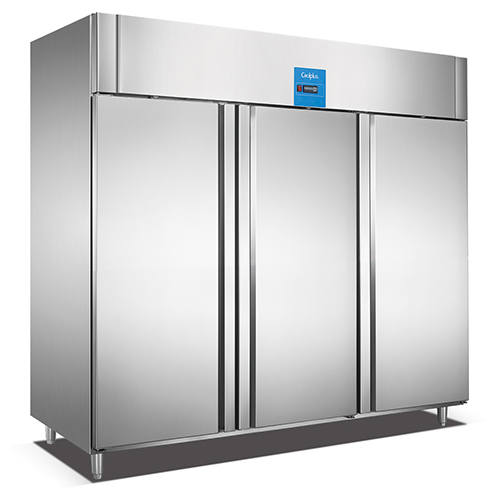
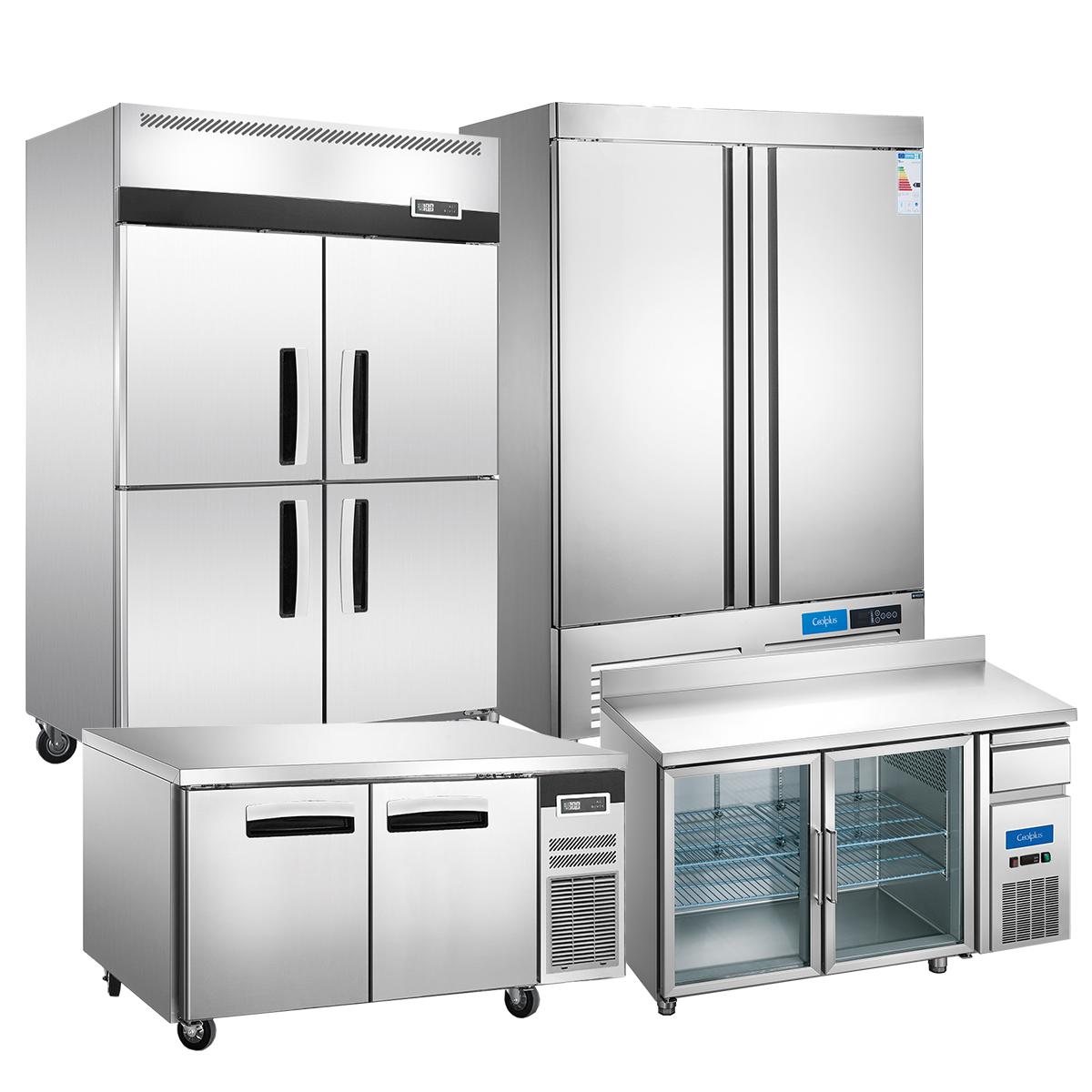
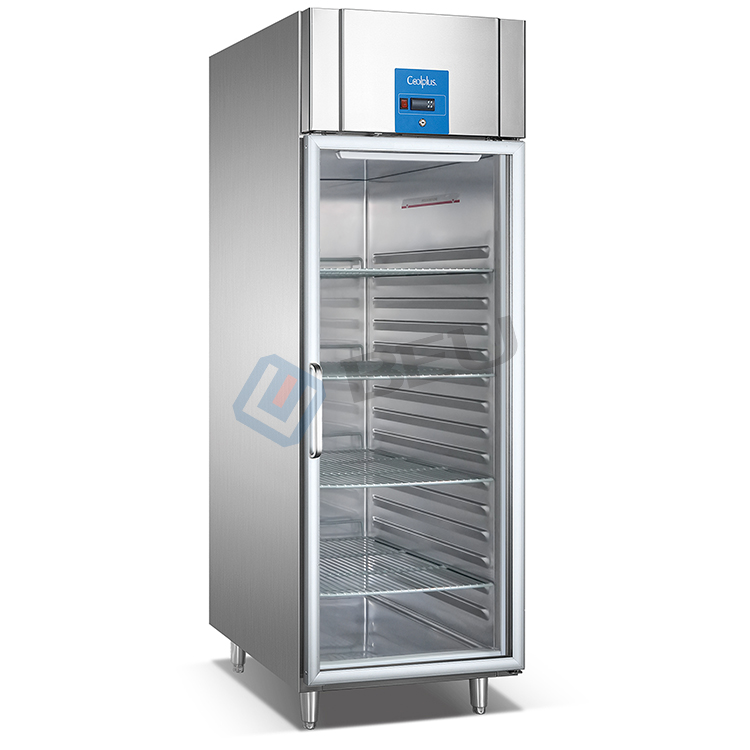
A commercial upright refrigerator is a vertical, commercial-grade cabinet that stores chilled food and drinks while making products visible and accessible to shoppers. For supermarkets and convenience stores, the right unit helps protect product quality, support food-safety routines, and turn limited floor space into useful refrigerated merchandising. BEU Commercial Upright Refrigerator Solutions for Supermarkets and Convenience Stores should be planned around the store’s products, layout, operating conditions, and service needs—not just the cabinet’s appearance.

Commercial refrigeration developed from basic cold storage into purpose-built equipment for preserving and displaying perishable products. As supermarkets expanded self-service shopping, refrigerated display cabinets made it easier for customers to see and select chilled goods without staff retrieving them from a back room. Convenience stores later adopted compact upright formats to make drinks, dairy, ready-to-eat meals, and other fast-moving products accessible in a smaller footprint.
Today, a commercial upright refrigerator combines an insulated cabinet, refrigeration system, shelving, doors or an open display front, lighting, and temperature controls. Depending on the model, the system may use forced-air circulation, a remote condensing unit, or a self-contained refrigeration package. These design choices affect heat rejection, noise, service access, and energy consumption, so they should be assessed against the site rather than selected in isolation.
List the products the cabinet will hold before comparing models. Chilled beverages, dairy, packaged meals, and fresh produce may have different storage needs. Frozen products require equipment designed for frozen storage rather than a standard chiller. As a planning reference, many chilled applications operate around 0–5°C, while frozen storage is commonly maintained at or below -18°C; the correct limits depend on the product, local food-safety rules, and the manufacturer’s operating instructions.
Ask for the cabinet’s specified operating temperature, ambient-temperature range, recovery performance, and recommended loading pattern. A displayed setpoint alone does not prove that every shelf maintains the required product temperature under busy trading conditions.
Estimate peak stock levels and daily replenishment, then compare usable shelf area and internal volume. Nominal capacity is not the same as practical merchandising capacity: shelf pitch, product dimensions, air-return openings, and loading limits all matter. Measure door swing, aisle width, delivery access, and service clearance. Recording site dimensions to the nearest 1 mm is a useful survey practice; it does not mean every cabinet component is manufactured to that tolerance.
Compare energy-use data on an equivalent basis, including cabinet size, temperature class, test conditions, and door configuration. Look at door heaters, LED lighting, fan motors, defrost controls, and night blinds where fitted. For remote systems, confirm compatibility with the store’s refrigeration plant and controls. For self-contained models, check where condenser heat and noise will be released.
A Commercial Refrigeration Equipment Manufacturer should be able to explain the intended application, available configurations, technical documentation, and service requirements. Ask for model-specific data rather than relying on broad energy-saving claims.
A successful purchase follows a clear process. Treat BEU as a supplier to evaluate through documented requirements and project checks, and confirm the final specification directly with the company before ordering.
At procurement, agree on measurable quality checks. A buyer may request 100% visual and functional inspection before dispatch, a documented test record for each unit, and a written service-response target such as 24 hours for acknowledging a support request. These are contract requirements to confirm with the supplier, not automatic guarantees. A Commercial Refrigeration Equipment Manufacturer should state clearly what its inspection and after-sales process covers.
Standards help buyers define safety and performance expectations, but applicability depends on the equipment type and the destination market. IEC 60335-2-89 addresses safety requirements for commercial refrigerating appliances and ice-makers. ISO 23953 covers refrigerated display cabinets, including classification and test methods for relevant performance characteristics. Ask the supplier which editions, tests, and declarations apply to the exact model; do not assume that mentioning a standard proves certification or compliance.
For cabinet materials and finishes, buyers may also specify suitable corrosion-resistance or coating tests where relevant. ASTM test methods can be useful when a particular material property is being evaluated, but the exact method must match the material and intended claim. Request test reports or declarations that identify the model, test conditions, and results rather than accepting a standards list without supporting documentation.
| What to check | Useful buyer question |
|---|---|
| Temperature performance | What operating and ambient conditions were used to verify the stated range? |
| Safety and compliance | Which standards and market requirements apply to this exact model? |
| Build and inspection | What checks are performed on the cabinet, electrical components, controller, and refrigeration circuit? |
| Service support | Who handles installation, spare parts, warranty claims, and response-time commitments? |
| Energy information | Are consumption figures based on a documented, comparable test method? |
These questions are important when comparing a Commercial Refrigeration Equipment Manufacturer with a commercial refrigeration equipment supplier or refrigerated display cabinet manufacturer. Compare the evidence, scope of support, and fit to your site—not just the quoted purchase price.
Consider a small store adding a door-equipped upright refrigerator for chilled beverages. The manager first records the available wall space, customer aisle width, delivery route, and expected peak inventory. The refrigeration contractor checks the electrical supply and confirms that the selected cabinet can reject heat without overheating a confined area. The store then verifies the model’s temperature specification, door arrangement, shelf layout, and service clearances before approving the order.
After installation, staff check that the unit reaches its specified operating condition, load drinks without blocking airflow, and follow the store’s temperature-recording procedure. The manager also keeps the model details, warranty terms, cleaning schedule, and service contact information together. This straightforward workflow reduces the risk of buying a cabinet that fits the floor plan but fails the store’s operating needs.
Build simple care tasks into daily and planned maintenance routines:
Documented maintenance helps staff spot recurring issues and gives technicians useful information when diagnosing a fault. Before purchase, confirm who supplies replacement parts and how service is arranged in the store’s region. A reliable Commercial Refrigeration Equipment Manufacturer should provide clear technical information and a defined route for support; verify the specific commitments in writing.
A commercial upright refrigerator is more than a cold cabinet: it supports food safety, merchandising, stock handling, and day-to-day store efficiency. Define the product and temperature needs, measure the site, compare model-specific performance information, confirm applicable standards, and plan installation and maintenance before ordering. BEU Commercial Upright Refrigerator Solutions for Supermarkets and Convenience Stores can be assessed using these same practical criteria. Share your product range, store dimensions, and operating requirements with BEU to discuss a suitable configuration and confirm the specifications, testing evidence, and service terms for your project.
To visit Guangzhou BEU Electric Appliance Co., Ltd. (called as BEUEA below) website, you are agreeing the terms and conditions within this policy.
BEUEA respects your privacy and will protect your information remains confidential.
We will not lease, sell, or rent your information to the third party for their independent use under any circumstances.