 11/12 ,2026
When a dinner rush fills the prep line and staff cannot find ingredients quickly, the problem may be refrigerator layout—not simply a lack of storage. A restaurant comparing a commercial upright refrigerator vs reach-in refrigerator should first know that the terms often describe overlapping equipment: a reach-in is typically an upright cabinet designed for staff to access food directly. The useful questions are whether you need a best commercial refrigerator for a small restaurant, an energy-efficient commercial reach-in refrigerator, or a different configuration for your workflow. Compare commercial foodservice refrigeration, stainless steel refrigerator construction, and refrigerated storage capacity, while checking technical details such as HACCP procedures, BTU/h cooling capacity, and ASHRAE-related design guidance. A qualified Commercial Refrigeration Equipment Manufacturer can clarify specifications, but your menu, room, and service pattern should drive the decision.
In equipment catalogs, “upright refrigerator” usually describes the cabinet’s vertical shape, while “reach-in” describes how staff retrieve products through front doors without entering a walk-in room. Many single- and multi-section reach-ins are upright refrigerators, so a buyer may not be choosing between two entirely separate technologies. The practical comparison is often between cabinet styles, door arrangements, capacities, and features.
A standard reach-in may have one, two, or three sections, with solid or glass doors and shelves or pan slides. A glass-door model helps staff see stock before opening the cabinet; a solid-door model may suit back-of-house storage where visibility matters less. A pass-through model has doors on opposing sides and can support a prep-to-service workflow, but it needs suitable space and costs more than a basic cabinet.
| Factor | Single-section upright/reach-in | Two- or three-section reach-in | Walk-in refrigerator for comparison |
|---|---|---|---|
| Typical use | Small kitchens, bars, backup storage | Busy restaurants, hotels, institutional kitchens | Bulk deliveries and high-volume inventory |
| Access | Front door; staff retrieve items directly | Multiple front doors and organized sections | Staff enter the refrigerated room |
| Indicative usable volume | Often about 20–30 cu. ft. | Often about 40–80 cu. ft., depending on model | Configured to the room and shelving plan |
| Floor-space impact | Compact footprint, but needs door clearance | Larger footprint and clear service access | Requires dedicated floor area and construction |
| Stock access | Fast for a limited product range | Good separation of ingredients by section | Efficient for cases, crates, and bulk stock |
| Installation | Usually plug-in; confirm voltage, circuit, and heat load | Usually plug-in; electrical needs vary by model | May need site work and refrigeration installation |
| Budget planning range | Roughly US$1,500–$4,000 | Roughly US$3,000–$10,000 or more | Often several thousand dollars plus installation |
These are planning ranges, not quotes or guarantees. Brand, region, capacity, compressor configuration, finish, warranty, and freight can shift the price substantially. Always compare net usable capacity and interior layout—not just the headline cubic-foot figure. Shelving, pans, airflow paths, and door swing determine whether the stated refrigerated storage capacity is useful for your actual containers.
A café with a modest cold menu may benefit from one well-organized section near the prep counter. Before ordering, measure the width, depth, height, door-opening arc, and route from the delivery entrance. Also allow for the manufacturer’s required ventilation clearance. A refrigerator that fits on paper can still block a staff aisle or overheat if installed too tightly against a wall.
For a restaurant carrying separate produce, dairy, sauces, and ready-to-serve items, a two-section cabinet can reduce cross-traffic and make stock rotation easier. Assign shelves by food type, label containers, and use first-in, first-out rotation. Under the FDA Food Code model, cold-held time/temperature control for safety foods generally need to be maintained at 41°F (5°C) or below; local codes and product-specific rules apply. Verify temperatures with an independent appliance thermometer and follow your food-safety plan rather than relying only on the display.
If staff repeatedly reload a reach-in with full cases, a walk-in may improve bulk storage and delivery handling. If ingredients move directly from receiving or prep to service, a pass-through can reduce backtracking. Neither option is automatically more efficient: construction, cleaning, temperature monitoring, access control, and the cost of lost floor area all matter.
Purchase price is only one part of ownership cost. Compare the unit’s listed energy use under a consistent test basis when available, and check whether the rating reflects the same size and configuration. Annual electricity expense can be estimated with this formula: daily kWh × 365 × your electricity rate per kWh. For example, a hypothetical 4 kWh/day cabinet at $0.15/kWh would use about 1,460 kWh per year and cost approximately $219 annually. This is an illustration, not a performance claim for any specific model.
Real consumption changes with room temperature, door openings, loading, coil cleanliness, set point, and maintenance. A hot kitchen, blocked condenser, or frequent door opening can raise demand. When comparing quotes, include delivery, installation, warranty terms, replacement filters or parts, and service access. A lower initial price may not be the lower-cost choice if repairs take longer or replacement parts are difficult to obtain.
Operators commonly value three things in a reach-in: stable temperatures during service, shelves that fit their pans, and doors that close reliably. Common complaints include noisy operation, frost or condensation, difficult-to-clean gaskets, and shelves that waste vertical space. These are useful issues to ask about, but they should not be mistaken for verified reviews of a particular brand. Check recent, model-specific feedback and ask whether the reviewer used the unit in a similar kitchen and climate.
Here is a practical illustrative case—not a named or independently verified customer testimonial. A small lunch café has one prep station, limited aisle space, and frequent access to milk, produce, and sauces. The owner maps the menu to shelf zones, measures the delivery route, and chooses a one-section reach-in near prep rather than buying a larger cabinet that would narrow the aisle. Staff log temperatures at opening and during service for two weeks, then adjust shelf assignments after noting which ingredients are reached most often. The value comes from matching capacity and placement to the work, not from assuming that a bigger refrigerator automatically improves service.
Compare manufacturers and sellers using the same written checklist: external dimensions, usable capacity, temperature range, refrigerant, electrical requirements, energy data, warranty coverage, lead time, and local parts or service availability. Confirm whether quoted capacity is gross or usable and whether shelves, casters, locks, and installation are included. Ask how the cabinet is tested and what operating conditions the warranty assumes.
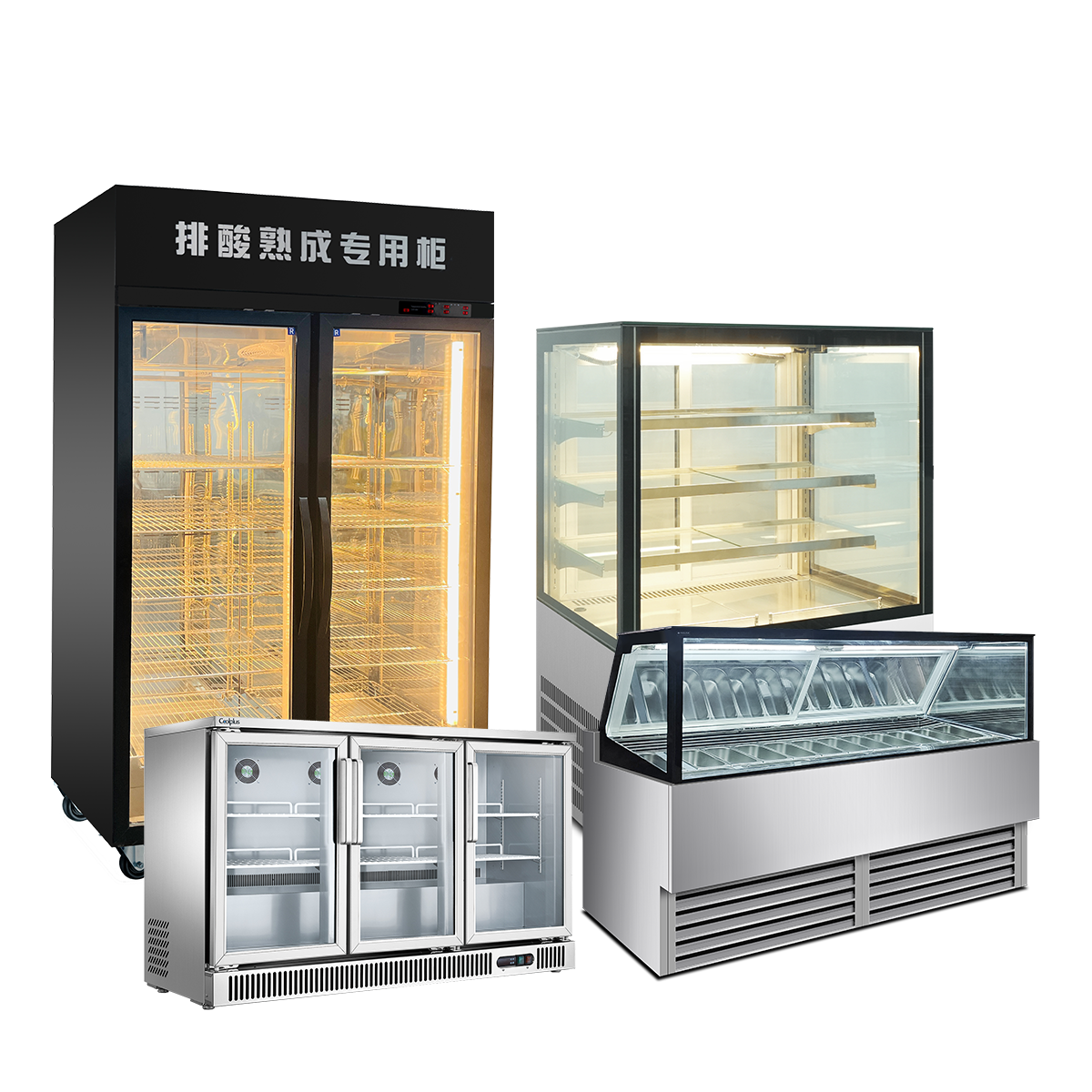
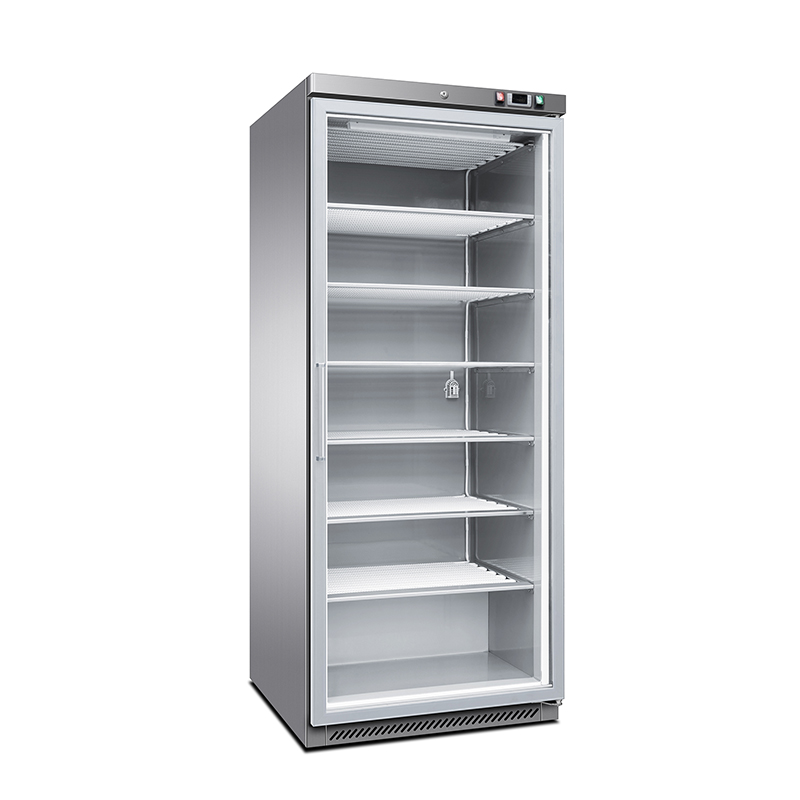
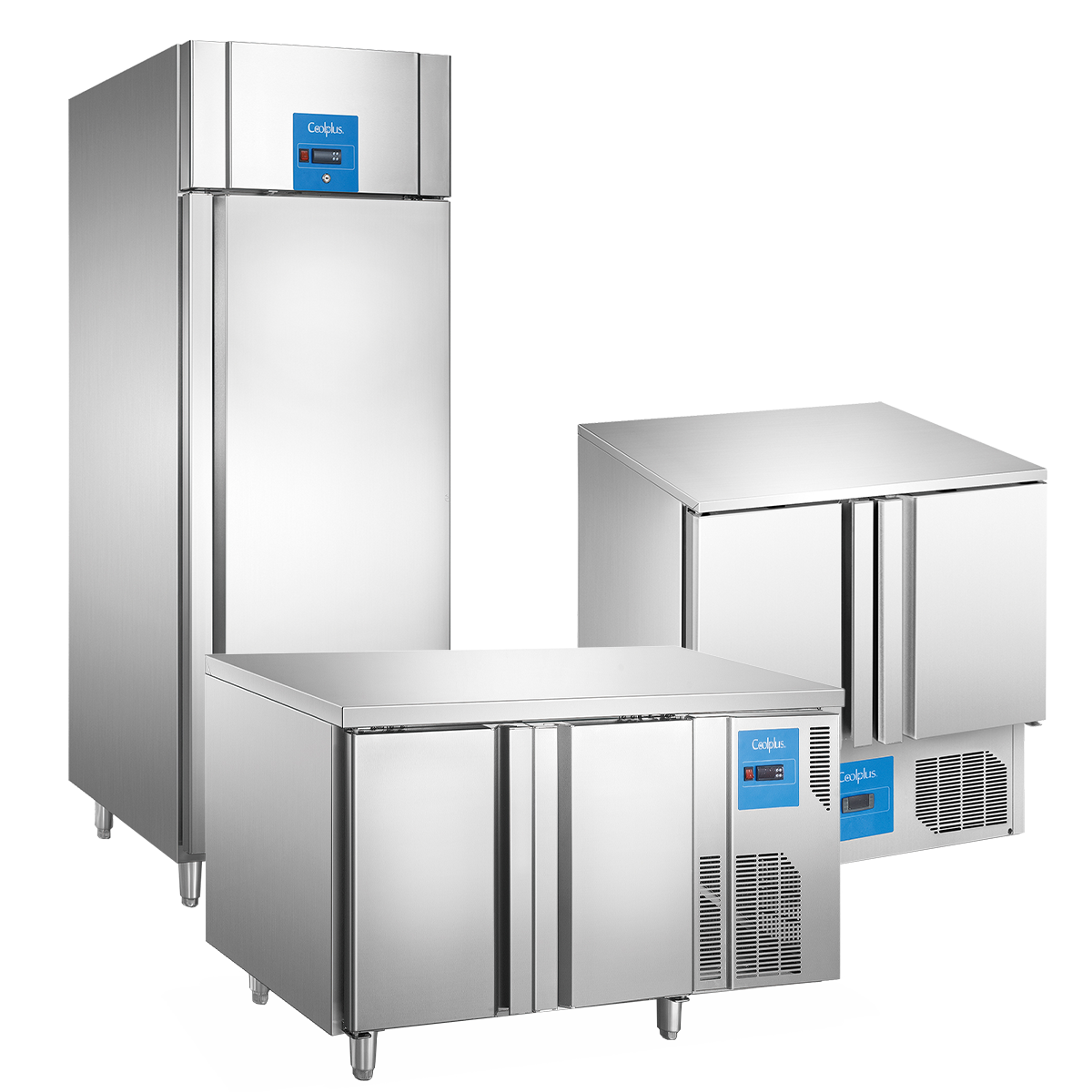
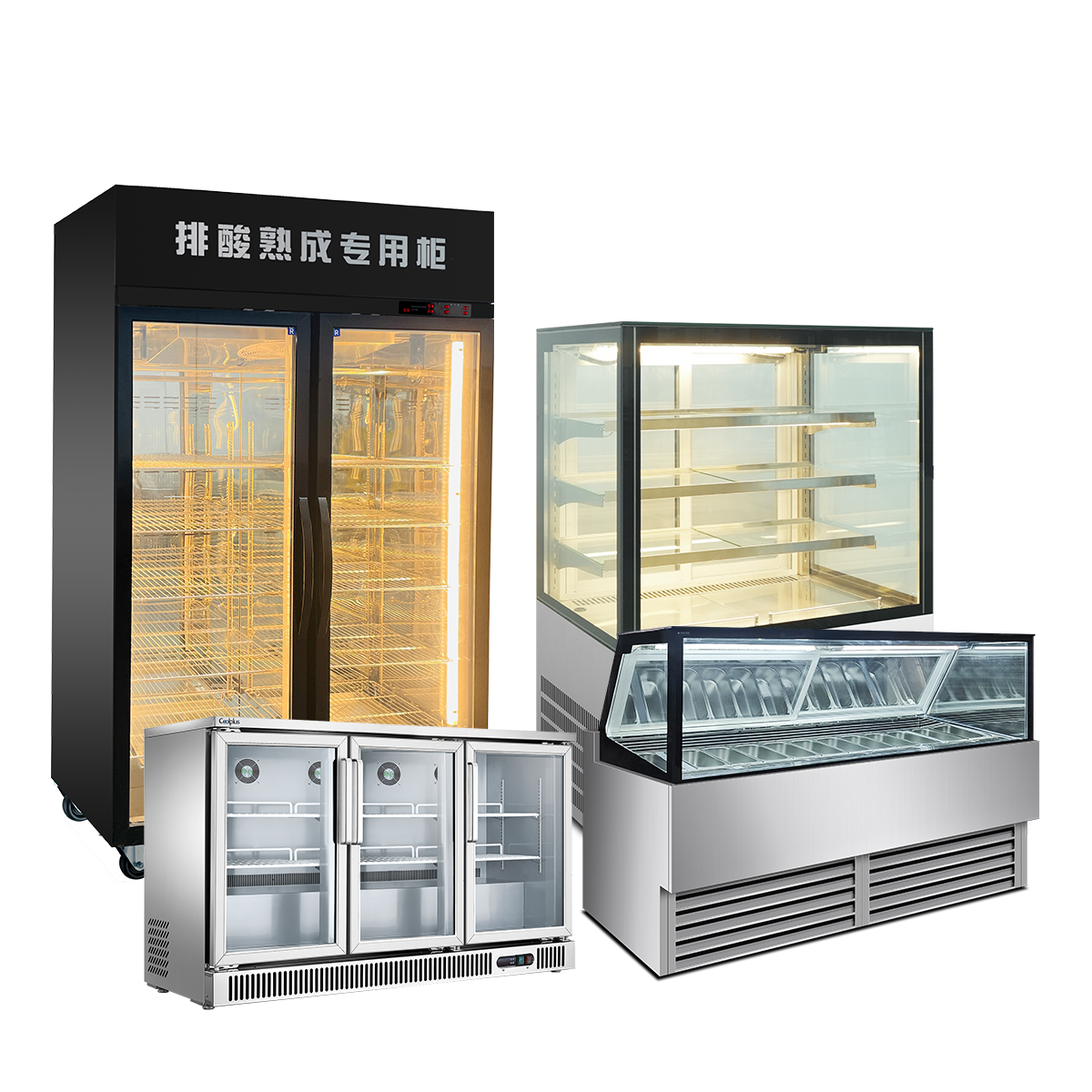
BEU can be included in that comparison alongside other suppliers. Review the exact model specification sheet and service arrangements rather than treating a brand name as proof of performance. The product image below can help identify the style under consideration, but confirm dimensions and features against the current model documentation.
A single-section reach-in is often the practical fit for a café, bar, or small kitchen with a focused menu and limited floor space. A multi-section commercial upright suits higher-volume operations that need separate zones and frequent front access. A walk-in is worth evaluating when bulk inventory and delivery volume exceed what cabinet storage can handle. None is universally best: the right choice depends on menu, turnover, room layout, service access, and budget.
If you are comparing a commercial upright refrigerator vs reach-in refrigerator, remember that these labels often overlap; decide by configuration and workflow. For a best commercial refrigerator for a small restaurant, prioritize measured fit and usable capacity, and assess an energy-efficient commercial reach-in refrigerator using comparable energy data. Evaluate commercial foodservice refrigeration, stainless steel refrigerator construction, and refrigerated storage capacity alongside HACCP procedures, BTU/h specifications, and relevant ASHRAE guidance. Request matching quotes from a Commercial Refrigeration Equipment Manufacturer and at least one alternative supplier, then verify service support before placing the order.

To visit Guangzhou BEU Electric Appliance Co., Ltd. (called as BEUEA below) website, you are agreeing the terms and conditions within this policy.
BEUEA respects your privacy and will protect your information remains confidential.
We will not lease, sell, or rent your information to the third party for their independent use under any circumstances.