 11/06 ,2026
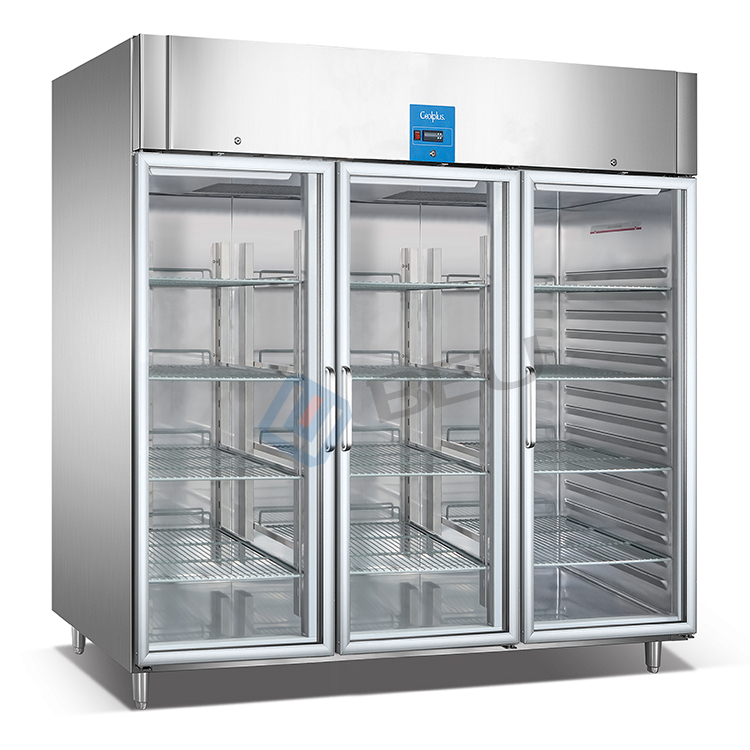
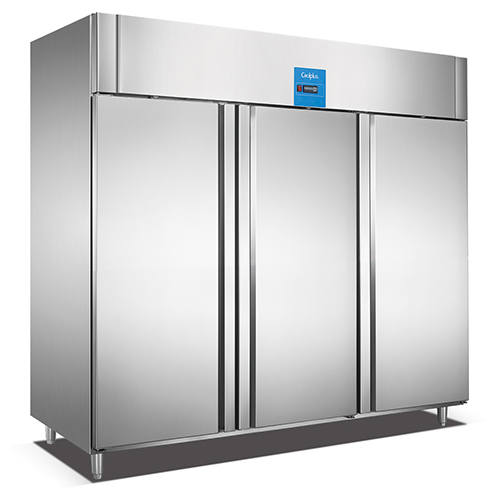
A refrigerator that is too large, poorly placed, or difficult to maintain can add avoidable energy costs to a busy kitchen. Before choosing an energy efficient commercial upright refrigerator, compare its tested commercial upright refrigerator energy consumption and consider how it will be used during service. A Commercial Refrigeration Equipment Manufacturer such as BEU can help buyers match cabinet size and features to a real operating scenario. The tips below explain what to check, how to compare models, and how to estimate running costs without compromising food safety.

How to Compare Commercial Upright Refrigerator Energy Use
Start with the product data plate and the manufacturer specification sheet. Look for energy consumption reported in kWh per day, cabinet capacity, intended temperature range, and the product type used for testing. A reach-in refrigerator for chilled ingredients is not a fair comparison with a freezer, a glass-door display cabinet, or a larger cabinet tested under a different equipment class.
The U.S. Department of Energy sets test procedures and energy conservation standards for covered commercial refrigeration equipment under 10 CFR Part 431, Subpart C, including the applicable test procedure in Appendix B. These procedures make test results more comparable, but real energy use still depends on room temperature, door openings, loading, installation, and maintenance. The U.S. Environmental Protection Agency's ENERGY STAR program reports that certified commercial refrigerators and freezers use about 20 percent less energy than standard models on average. Treat this as a category-level comparison, not a promise that a particular upright model will cut your bill by exactly 20 percent.
For a practical comparison, check that the models are the same type and have similar capacity and temperature requirements. Then calculate an annual estimate: kWh per day multiplied by 365, multiplied by your electricity rate. For example, a hypothetical unit rated at 3.2 kWh per day would use about 1,168 kWh per year under the test-based calculation. At an electricity price of $0.15 per kWh, that equals about $175.20 per year. Your actual bill may differ because test conditions do not reproduce every kitchen.
Five Commercial Upright Refrigerator Buying Tips for Lower Energy Costs
1. Compare Tested kWh per Day for Each Commercial Upright Refrigerator
Why it matters: The kWh per day figure gives you a more useful basis for comparing energy consumption than general claims such as efficient or low cost.
How to do it: Request the product specification sheet and confirm the test basis, equipment class, cabinet capacity, and temperature range. Compare like with like, and use the same local electricity rate when estimating annual cost. If a supplier provides only a wattage figure, ask for tested daily energy use or the relevant test documentation.
Best for: Buyers choosing between several similar models or preparing a total-cost-of-ownership comparison. A restaurant group can use this method to compare models across locations, while a small cafe can use it to check whether a lower purchase price might be offset by higher estimated electricity costs.
2. Size the Commercial Upright Refrigerator to Your Inventory
Why it matters: A larger cabinet can cost more to purchase and may use more energy, while an undersized unit can encourage overloading and obstruct airflow.
How to do it: Estimate the volume and type of food you need to store at the busiest point in your operating cycle. Check usable capacity, shelf layout, pan compatibility, and the clearance needed for airflow. Ask the supplier to confirm whether stated capacity is gross or usable. Avoid selecting a cabinet based only on external dimensions or a broad rule of thumb.
Do not pack products tightly against internal air outlets. Follow the loading instructions in the operation manual so cold air can circulate. For a bakery with predictable daily deliveries, a cabinet sized to its normal inventory may be a better fit than a much larger unit. A high-volume restaurant with multiple deliveries and peak service periods may need more capacity or more than one cabinet to avoid overloading.
Best for: New businesses, kitchens replacing several aging units, and operators whose menu or delivery schedule has changed.
3. Match Commercial Upright Refrigerator Features to the Kitchen
Why it matters: Features can reduce energy waste in the right setting, but they add value only when they suit your hours, traffic, and cleaning routine.
How to do it: Review options such as self-closing doors, door-open alarms, LED interior lighting, and efficient evaporator or condenser fan motors. For a unit opened frequently during service, a self-closing door and an alarm may help limit warm-air entry when staff are busy. For a cabinet in a low-traffic prep area, those features may be less decisive than tested kWh per day and the purchase price.
Ask whether anti-sweat heaters are fitted and whether their operation is controlled by a switch or other control. Anti-sweat heaters can help limit condensation on doors or frames, but a continuously operating heater can add to energy use. Do not disable safety or manufacturer controls to save power; ask the supplier or service technician how the feature is designed to operate in your room conditions.
Best for: Busy service lines with frequent access, humid kitchens where condensation is a concern, and businesses that want staff alerts for doors left open.
4. Check the Commercial Upright Refrigerator Installation Location
Why it matters: Heat around the cabinet and restricted airflow can make the refrigeration system work harder and may affect performance.
How to do it: Before ordering, measure the route into the building and the final installation space. Check the manufacturer's required clearance around air intakes and exhausts, electrical requirements, floor level, and the permitted ambient operating range. Keep the cabinet away from ovens, dishwashers, direct sunlight, and other heat sources where practical. Do not assume every model needs the same clearance; follow its installation manual.
For a compact kitchen, confirm that the door can open fully without blocking a walkway or staying open during loading. In a hot kitchen or a location with limited ventilation, ask the supplier to confirm the model's rated ambient conditions before purchase. Installation advice from BEU or another supplier should be checked against the selected model's documentation.
Best for: Kitchens with tight floor plans, hot cooking lines, or limited ventilation, and any buyer planning a new cabinet layout.
5. Maintain the Commercial Upright Refrigerator and Its Door Seal
Why it matters: Dust on heat-rejection surfaces, damaged gaskets, blocked airflow, or a door that does not close fully can undermine the cabinet's intended performance.
How to do it: Follow the maintenance schedule in the manual. Keep the condenser area clean using the method recommended by the manufacturer, and arrange qualified service if access is difficult or the equipment requires it. Inspect door gaskets for tears, gaps, or food debris; clean them according to the manual and replace damaged parts with compatible components. Keep shelves and food away from air outlets, and confirm that door closers and hinges work properly.
Record cabinet temperatures and note recurring issues such as long recovery after loading, frequent alarms, or visible condensation. A trend can help a technician diagnose a problem before it disrupts service. Do not use a single temperature reading as proof of food safety; use an appropriate calibrated thermometer and follow your food safety plan and local requirements.
Best for: Every operator, especially high-volume kitchens, sites with dusty conditions, and businesses responsible for several reach-in refrigerators.
Commercial Upright Refrigerator Temperature and Food Safety
Energy savings should never come from raising the storage temperature beyond safe limits. In the United States, the FDA Food Code 2022 specifies that time/temperature control for safety food held cold should be maintained at 41 degrees Fahrenheit (5 degrees Celsius) or below, subject to the code's provisions and local adoption. Other jurisdictions may have different requirements. Set and verify the cabinet in a way that keeps the food at the required temperature, accounting for loading and normal door use. Follow local regulations, product instructions, and your food safety plan.
A cabinet's displayed air temperature may not always equal the temperature of food inside it. Use a suitable thermometer and follow the monitoring procedures required by your operation. If the unit cannot maintain the needed conditions, contact a qualified refrigeration technician rather than changing controls without guidance.
Commercial Upright Refrigerator Terms Buyers Should Know
kWh per day: A measure of electrical energy used over a day under a stated test procedure. It helps compare models when equipment class and test conditions are comparable.
Coefficient of performance (COP): A ratio used to describe refrigeration output relative to energy input under specified conditions. It is useful in technical comparisons, but it is not a substitute for the tested daily energy use of a complete cabinet.
Anti-sweat heater: An electric heater used on some cabinets to reduce moisture forming on door or frame surfaces. Its usefulness depends on the cabinet design and operating environment.
Also ask about the door gasket, the seal around the door that helps limit warm, moist air entering the cabinet. A damaged or dirty gasket can interfere with a tight closure, so routine inspection belongs in a maintenance plan.
Questions to Ask a Commercial Refrigeration Equipment Manufacturer
- What is the tested kWh per day for this exact model and equipment class?
- What capacity and temperature range does the specification cover?
- What ambient conditions and installation clearances are permitted?
- Which energy-related features are included, and how should they be operated?
- What cleaning and service tasks are required, and which must be performed by a qualified technician?
- What warranty, parts support, and service coverage are available for my location?
Ask for model-specific documentation rather than relying on a broad product-category claim. A Commercial Refrigeration Equipment Manufacturer or distributor should be able to explain the test basis, installation requirements, and maintenance schedule for the exact cabinet you are considering.
Final Checklist for an Energy Efficient Commercial Upright Refrigerator
Before ordering, compare tested energy use for similar models, confirm usable capacity, and check that the temperature range suits your food and local rules. Verify the installation location, door swing, ventilation, and electrical requirements. Choose features that solve a real operating problem, and plan for gasket inspections and scheduled cleaning. ENERGY STAR program information, U.S. Department of Energy test procedures, the FDA Food Code 2022, and the relevant manufacturer documentation are useful reference points; none replaces model-specific specifications or local compliance checks.
The right commercial upright refrigerator is the one that meets food safety needs and daily workflow without paying for unused capacity or unsuitable features. Use kWh per day to make a measured comparison, then confirm the installation and service details with BEU or another qualified supplier before purchase.