 11/13 ,2026
A busy shop can lose sales when customers cannot see cold drinks or staff must open a solid door to check stock. A Commercial Refrigeration Equipment Manufacturer can help retailers choose display equipment that fits the space, product range, and expected customer traffic. This guide explains how a commercial glass door refrigerator for beverage stores works, what to check before buying, and how to care for it after installation.

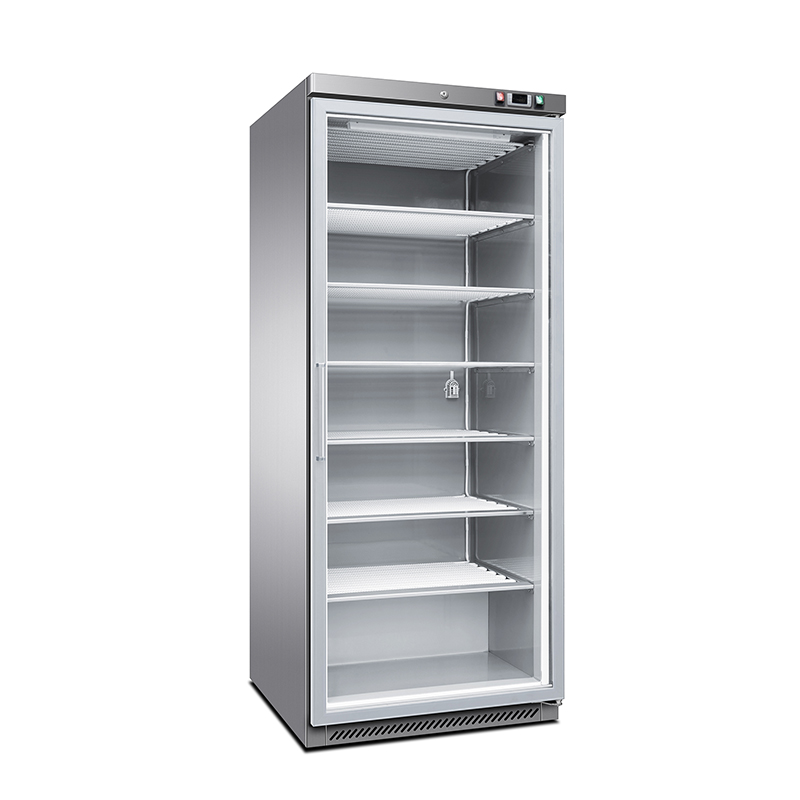
A commercial glass door refrigerator is a powered, refrigerated cabinet with one or more transparent doors. It holds chilled products while allowing customers or staff to view them without opening the cabinet. Common industry terms include glass door merchandiser, display refrigerator, and reach-in refrigerator. A merchandiser is designed to show products for sale; a reach-in may be used mainly by staff for storage, even if it has a glass door.
Key parts usually include an insulated cabinet, glass door assembly, shelves, lighting, temperature controller, evaporator, and refrigeration system. Some models use a self-contained system, with the compressor and condenser built into the cabinet. Others connect to a remote refrigeration system installed elsewhere. The best configuration depends on available space, heat and noise limits, service access, and the store’s operating plan.
A display refrigerator is not automatically suitable for every product. Check the manufacturer’s stated operating range and product-use guidance, and follow local food-safety rules when storing food that needs temperature control. The FDA Food Code is a model code for retail food safety; local authorities adopt and enforce their own requirements. The 2022 FDA Food Code specifies cold holding at 41°F (5°C) or below for time/temperature control for safety food. See the and confirm the rules that apply in your location.
Glass doors support product visibility in stores where customers make quick choices. They also let staff check stock and presentation without opening the cabinet. The right layout depends on the products, customer flow, and available floor area.
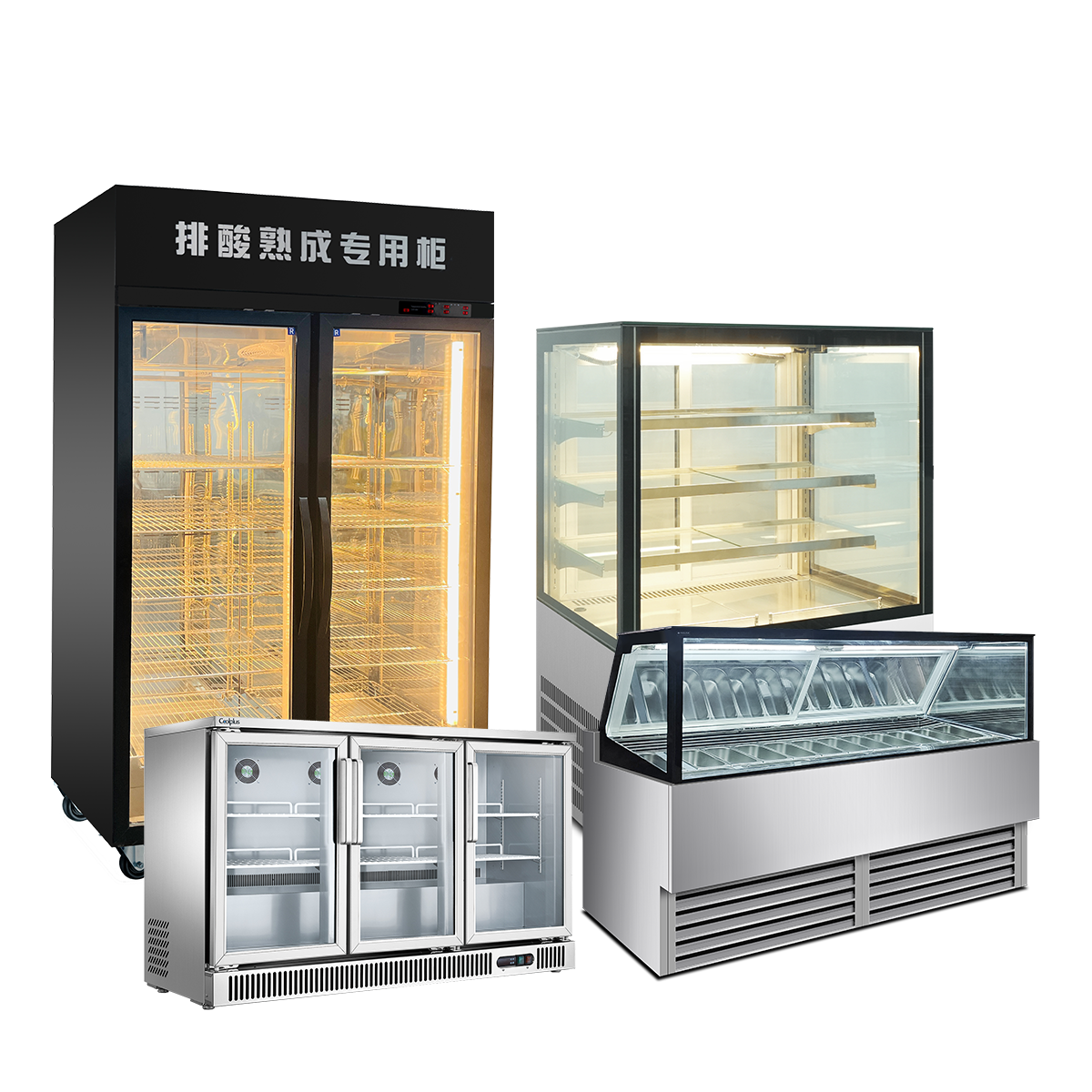
Glass door refrigerator applications in beverage stores and convenience stores.
For a glass door merchandiser refrigerator for convenience stores, compare customer access, restocking needs, and aisle width before choosing the number and swing direction of doors. A layout that looks suitable on a product page may not work once nearby counters, shelving, and queues are included.
Visibility is the central benefit: customers can review available products before opening a door. This can support a clear product display and help staff spot empty shelves. The cabinet also provides a controlled chilled space, subject to its rated temperature range, installation conditions, and correct use.
Energy use is another important comparison point because refrigeration equipment may operate for long periods. ENERGY STAR reports that its certified commercial refrigerators and freezers are, on average, about 20% more energy efficient than standard models. This is a category-level comparison, not a promise that every certified unit will reduce a particular store’s bill by 20%. Actual electricity use depends on model size, climate, door openings, product loading, maintenance, and operating conditions. Review the product’s current certification and energy information through the .
For fair equipment comparisons, use data gathered under a defined test method rather than relying on phrases such as “low energy” or “high performance.” The U.S. Department of Energy sets test procedures and standards for covered commercial refrigeration equipment under . Test results help compare models under specified conditions; store results can differ from laboratory measurements.
A dependable Commercial Refrigeration Equipment Manufacturer should provide a model-specific specification sheet, installation instructions, operating guidance, and clear service contacts. Request those documents before ordering so the equipment can be checked against the site plan.
Installation has a direct effect on access and equipment operation. Place the cabinet on a stable, level surface and follow the clearance, electrical, and ventilation requirements in the model’s manual. Keep heat-producing appliances and direct sunlight away where the manufacturer advises. Allow the unit to stabilize after installation before loading it, following the stated start-up instructions.
Load products so that shelves remain within their rated limits and air can circulate through the cabinet. Avoid blocking air outlets or returns. Do not load warm products in a way that exceeds the unit’s capacity to recover its operating temperature. Train staff to close doors fully and report damaged seals, unusual noise, water leaks, or temperature changes promptly.
Use a temperature-monitoring process suited to the products and local rules. For food subject to temperature controls, follow the store’s food-safety plan and applicable regulations. Keep a record when required, and act on readings outside the permitted range rather than relying only on the controller display.
Maintenance intervals vary by model and operating environment. Dusty locations, high customer traffic, frequent door opening, and warm ambient conditions may call for closer inspection. Use the manual’s schedule instead of applying one interval to every refrigerator.
It can be suitable for packaged drinks and other products approved for the model’s temperature range. Measure the aisle and door swing, confirm electrical and ventilation needs, and check the unit’s capacity against expected traffic and restocking frequency.
Energy use varies by model and conditions. Glass type, insulation, lighting, door seals, cabinet size, ambient temperature, and how often doors open can all matter. Compare model-specific test or energy data under the same method rather than assuming one door type always uses less.
Use the manufacturer’s specified operating range and the requirements for the products inside. For time/temperature control for safety food, the FDA Food Code 2022 gives a cold-holding limit of 41°F (5°C) or below, but local adoption and rules vary. Confirm requirements with the local health authority.
Basic placement may be straightforward, but electrical connection, ventilation, leveling, and start-up requirements depend on the model and local rules. Follow the installation manual and use qualified professionals for electrical or refrigeration work when required.
Ask for the exact model number, external and usable internal dimensions, temperature range, electrical requirements, energy information, installation clearances, warranty, service options, and operating and maintenance manuals.
Start by measuring the installation site, listing the products to display, and checking the required temperature and electrical conditions. Then compare model-specific energy information, service availability, and installation guidance. Read the user guide before commissioning and train staff on loading, temperature checks, cleaning, and fault reporting. For a energy-efficient commercial glass door refrigerator, compare certified models and real product data rather than relying on broad claims. Contact BEU to discuss suitable options and request specifications for your store.

To visit Guangzhou BEU Electric Appliance Co., Ltd. (called as BEUEA below) website, you are agreeing the terms and conditions within this policy.
BEUEA respects your privacy and will protect your information remains confidential.
We will not lease, sell, or rent your information to the third party for their independent use under any circumstances.