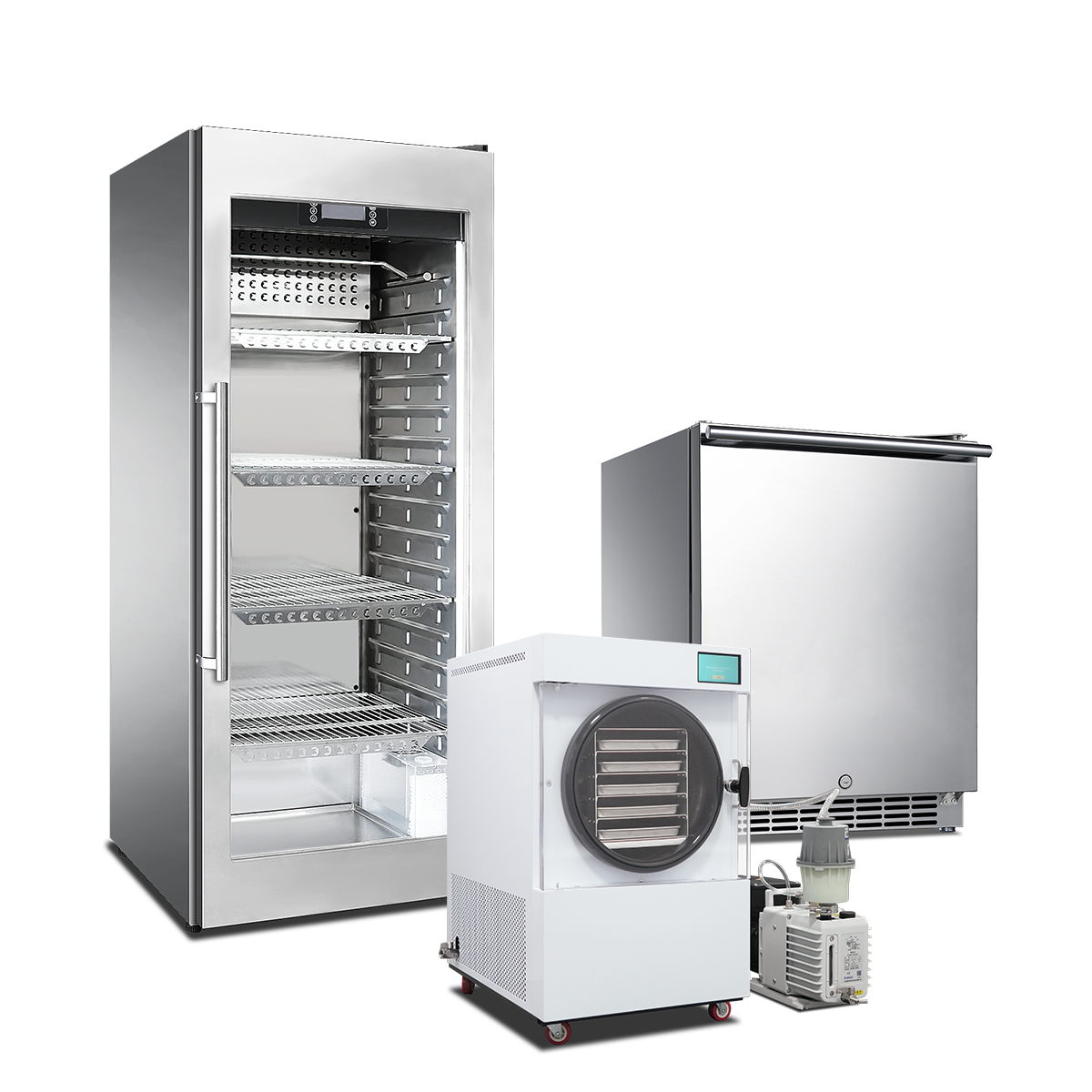
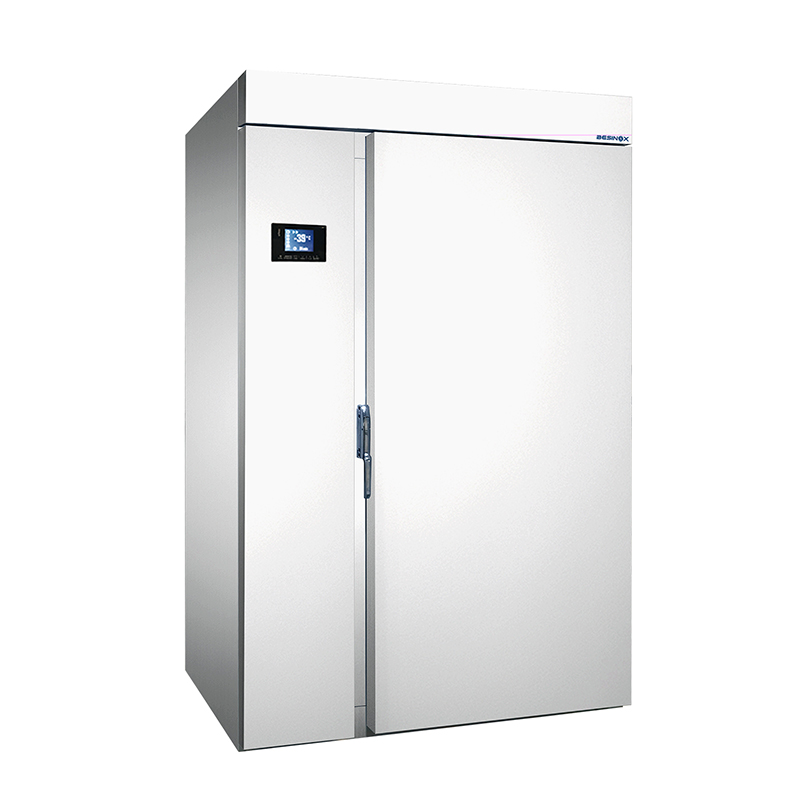
For a commercial blast chiller manufacturer, energy efficiency is not only a technical specification. It directly affects food quality, operating cost, kitchen productivity, equipment reliability, and the total cost of ownership. BEU helps commercial kitchens evaluate blast chilling performance by looking beyond the nameplate power rating and measuring how much energy is used to cool a specific quantity of food within a defined time.
Buyers want a clear answer about the real energy efficiency of commercial blast chillers
Searchers are usually comparing energy use, cooling speed, and operating cost
Content that performs well for this topic generally answers a practical purchasing question: how much will the blast chiller cost to run while still meeting food safety and production targets?
The main questions from restaurant owners, food manufacturers, caterers, hotels, hospitals, and central kitchens include:
- How many kilowatt-hours does the blast chiller use per cycle?
- How much food can it cool in one batch?
- Can it cool food quickly without running continuously?
- Will the equipment increase peak electrical demand?
- How much energy is wasted when the cabinet is overloaded or poorly maintained?
- Is a larger unit more efficient than several smaller units?
- What is the expected payback period?
- Which specifications should be checked before requesting a quotation?
The purchasing group is concerned with total cost of ownership
The purchase decision is rarely made by one person. Different stakeholders evaluate the same blast chiller from different perspectives.
- Owners and financial managers: want predictable operating costs, a reasonable purchase price, and a measurable return on investment.
- Executive chefs and production managers: need fast chilling, reliable capacity, simple controls, and consistent results.
- Facility managers: focus on electrical supply, ventilation, heat rejection, drainage, service access, and installation requirements.
- Food safety managers: require documented temperature control and repeatable cooling performance.
- Procurement teams: compare warranty terms, certifications, lead time, spare parts, and supplier support.
The most useful content combines technical data with a buying decision
A useful article should not claim that one blast chiller is efficient simply because it has a low compressor wattage. Efficiency depends on the relationship between energy consumed, food load, starting temperature, final temperature, cycle time, ambient conditions, and cabinet capacity.
The most useful performance indicators are:
- Input power: the electrical power used while the unit is operating.
- Energy per cycle: the total electricity used during one complete chilling cycle.
- Energy per kilogram: the energy needed to chill one kilogram of food.
- Cooling capacity: the amount of food that can be chilled within the required time.
- Pull-down time: the time required to reduce the food temperature to the target level.
- Heat rejection: the heat released into the room by the refrigeration system.
- Standby consumption: electricity used when the cabinet is powered but not actively chilling.
Commercial blast chiller efficiency depends on load, temperature, and refrigeration design
The refrigeration cycle determines how efficiently heat is removed
A blast chiller uses a refrigeration system to remove heat from food and discharge that heat through a condenser. The main components usually include a compressor, condenser, expansion device, evaporator, fans, controls, insulation, and temperature probes.
During a chilling cycle:
- The evaporator absorbs heat from the cabinet air.
- Fans circulate cold air around the food containers.
- The food transfers heat to the moving air.
- The refrigerant carries the heat to the compressor and condenser.
- The condenser releases the heat into the surrounding area.
- The control system reduces or stops active cooling when the target temperature is reached.
Energy efficiency improves when the system transfers heat quickly, maintains the required air temperature, and avoids unnecessary compressor and fan operation.
Food load has a greater effect than the cabinet size alone
A blast chiller may use more power during a full cycle than a smaller unit, but it can still be more efficient per kilogram if it is correctly loaded. An underused large cabinet may have a higher energy cost per kilogram because the refrigeration system is operating for a small quantity of food.
Important load factors include:
- Quantity of food placed in the cabinet.
- Starting temperature of the food.
- Final target temperature.
- Food density and moisture content.
- Depth and material of the pans.
- Spacing between containers.
- Whether the food is covered or uncovered.
- Frequency of door opening.
Insulation and airflow affect both speed and electricity consumption
High-quality insulation reduces heat entering the cabinet from the surrounding room. A well-designed airflow system distributes cold air around every container without creating excessive fan resistance or blocked zones.
Efficiency is normally improved by:
- Thick, continuous cabinet insulation.
- Well-sealed door gaskets.
- Efficient evaporator fans.
- Correct spacing between food containers.
- Uniform air circulation from top to bottom.
- Automatic defrost controls.
- Accurate food temperature probes.
Weak insulation, damaged gaskets, blocked air passages, or poorly designed fan placement can increase cycle time and energy consumption even when the compressor is technically efficient.
Use a step-by-step method to calculate the energy cost of a blast chiller
First step: define the actual production cycle
Record how the blast chiller will be used in daily operation. Do not base the calculation only on the maximum capacity shown in a brochure.
- Food quantity per cycle in kilograms.
- Number of cycles per day.
- Operating days per month.
- Starting food temperature.
- Target food temperature.
- Average room temperature.
- Expected door opening frequency.
- Expected seasonal variation.
For example, a central kitchen may run two large cycles each morning, while a hotel kitchen may run several smaller cycles throughout the day. These patterns produce different energy results even when the same equipment is used.
Second step: record the rated electrical input
Check the equipment data plate and technical documentation for the following values:
- Rated voltage.
- Phase and frequency.
- Compressor input power.
- Fan motor power.
- Control system power.
- Defrost heater power, if installed.
- Maximum connected load.
Rated input power is not the same as energy used during a complete cycle. A compressor may cycle on and off, and the actual load can change as the food temperature falls.
Third step: measure the electricity used in one complete cycle
Use a suitable electrical power meter or energy logger to measure the entire cycle. Start the measurement before loading the food and stop it after the food reaches the target temperature.
- Confirm that the blast chiller is empty and at its normal operating condition.
- Connect the energy meter according to the electrical safety instructions.
- Record the room temperature and food load.
- Load the food in the same pan arrangement used in normal production.
- Start the chilling program.
- Record the total kilowatt-hours at the end of the cycle.
- Repeat the test at least three times.
- Calculate the average energy use.
Testing several cycles is important because one cycle may be affected by door opening, incomplete loading, a defrost event, or unusually warm food.
Fourth step: calculate energy per kilogram
Use the following formula:
Energy per kilogram = Total energy used in one cycle in kWh divided by Food weight in kilograms
For example, if a blast chiller uses 6 kWh to cool 60 kilograms of food:
6 kWh divided by 60 kilograms = 0.10 kWh per kilogram
This figure is more useful for comparing units with different capacities than the total cycle consumption alone.
Fifth step: calculate daily, monthly, and annual operating cost
Use these formulas:
- Daily energy use: Energy per cycle multiplied by cycles per day.
- Monthly energy use: Daily energy use multiplied by operating days per month.
- Annual energy use: Daily energy use multiplied by operating days per year.
- Operating cost: Energy use in kWh multiplied by the electricity price per kWh.
Include peak and off-peak electricity rates when applicable. A unit with a lower energy use per cycle may not provide the lowest cost if it operates during a high-tariff period or requires additional electrical infrastructure.
Sixth step: compare energy use with production output
Energy efficiency should be compared with useful production. A unit that saves electricity but cannot meet the required chilling schedule may create additional labor, storage, and food safety costs.
Compare each model using:
- Kilograms chilled per cycle.
- Minutes required to reach the target temperature.
- Kilowatt-hours per cycle.
- Kilowatt-hours per kilogram.
- Number of cycles possible per day.
- Required labor per batch.
- Expected service and maintenance cost.
Use the right tools and data before judging blast chiller efficiency
Required tools for an energy evaluation
A basic evaluation can be completed with the following tools:
- Portable three-phase or single-phase energy meter suitable for the equipment.
- Clamp meter for checking current during operation.
- Calibrated food temperature probe.
- Ambient temperature and humidity meter.
- Timer or data logger.
- Digital weighing scale.
- Data sheet or spreadsheet.
- Camera for recording loading patterns and equipment condition.
- Cleaning tools for condenser fins and air filters.
- Personal protective equipment and electrical safety equipment.
Information to request from a commercial blast chiller manufacturer
Before comparing quotations, ask the manufacturer to provide consistent test conditions. Useful documentation includes:
- Nominal and maximum food capacity.
- Cooling performance at the stated load.
- Starting and final food temperatures used for testing.
- Cycle duration.
- Rated input power.
- Refrigerant type.
- Electrical requirements.
- Ambient temperature range.
- Noise level.
- Defrost method.
- Insulation thickness and material.
- Controller functions and temperature recording.
- Warranty and spare parts availability.
- Recommended cleaning and maintenance schedule.
How to make a fair comparison between two models
Compare units under the same conditions whenever possible. Differences in test conditions can make one machine appear more efficient than another without reflecting real performance.
- Use the same food product or a comparable test load.
- Use the same starting and final temperatures.
- Use the same pan depth and pan material.
- Use the same room temperature.
- Use the same loading percentage.
- Measure energy from the beginning to the end of the cycle.
- Record the actual food temperature, not only the cabinet temperature.
- Compare energy per kilogram and total production output.
Choose a blast chiller by efficiency, capacity, and total cost of ownership
Smaller units can be efficient for low and variable production
A smaller blast chiller may be suitable when the kitchen has limited production, irregular demand, or several separate work areas. It can reduce unnecessary cabinet volume and may avoid cooling empty space.
Potential advantages include:
- Lower initial investment.
- Lower electrical connection requirement.
- Shorter preparation and loading time.
- Good energy performance when used near its intended capacity.
- More flexibility for separate production areas.
However, several small units may require more floor space, more cleaning, and more service visits than one properly sized larger unit.
Larger units can reduce energy per kilogram at high utilization
A larger blast chiller may be more efficient for central kitchens, food factories, hospitals, and catering operations that regularly process large batches. The refrigeration system can remove heat from a high load in one cycle rather than repeating many smaller cycles.
Check the following before selecting a large model:
- Whether daily production is high enough to fill the cabinet efficiently.
- Whether the electrical service can handle the connected load.
- Whether the room can reject the additional condenser heat.
- Whether doors, elevators, and corridors can accommodate delivery.
- Whether the operator can load food evenly and quickly.
- Whether the equipment has sufficient service clearance.
Variable-speed and intelligent control features may reduce unnecessary operation
Depending on the model and application, efficiency may be improved by variable-speed compressors, optimized fan control, automatic cycle adjustment, accurate probes, and standby management.
When evaluating these features, ask for measurable results rather than relying on marketing terms. Request information about:
- Energy use at partial load.
- Energy use during standby.
- Compressor cycling behavior.
- Fan speed control.
- Automatic adjustment based on food temperature.
- Cycle history and energy monitoring functions.
Heat rejection affects the building energy balance
Most commercial blast chillers release removed heat into the installation room. If the room is air conditioned, the building cooling system must remove this additional heat. Therefore, the total facility impact can be higher than the electrical consumption shown on the blast chiller meter.
Ask the supplier about:
- Condenser heat output.
- Required room ventilation.
- Remote or water-cooled condenser options.
- Recommended clearance around the condenser.
- Impact on kitchen temperature and staff comfort.
Follow practical operating steps to reduce blast chiller energy consumption
First step: prepare the food and containers correctly
Divide large quantities into shallow containers when permitted by the product and food safety procedure. Shallow food layers expose more surface area to the cold air and reduce the time required to remove heat.
- Use containers that match the cabinet guides.
- Avoid excessive food depth.
- Spread food evenly across the pan.
- Do not place hot containers directly against the cabinet walls.
- Use standardized pan sizes for repeatable loading.
Second step: pre-cool the cabinet only when necessary
Some applications require pre-cooling, while others can begin the cycle immediately after loading. Follow the manufacturer instructions and avoid leaving the door open while waiting for the cabinet to reach temperature.
Unnecessary pre-cooling can increase energy consumption, especially when the cabinet is empty for a long period.
Third step: load the cabinet quickly and evenly
- Prepare all pans before opening the door.
- Open the door once and load the cabinet efficiently.
- Leave the recommended space between pans.
- Keep air passages and fan outlets clear.
- Insert the food probe into the thickest or slowest-cooling product.
- Close the door completely before starting the cycle.
Repeated door opening allows warm, humid air to enter and increases the refrigeration load. A poorly arranged load also produces longer cycles and uneven cooling.
Fourth step: use the correct program and verify the food temperature
Select the program that matches the product type, load size, and target temperature. Do not use the most aggressive program for every product if it consumes more energy without improving the final result.
Verify that:
- The probe is positioned correctly.
- The probe is clean and calibrated.
- The cycle ends based on food temperature when appropriate.
- The food is transferred to suitable cold storage promptly.
- Temperature records are saved according to the food safety procedure.
Fifth step: clean the condenser and inspect the door seal
Dust and grease on the condenser reduce heat transfer and increase compressor operating time. A damaged door gasket allows warm air to enter continuously.
Maintenance steps include:
- Disconnect power according to the service procedure.
- Inspect the condenser for dust, grease, and blocked airflow.
- Clean the condenser using approved tools.
- Check the door gasket for cracks, hardening, or gaps.
- Clean the cabinet interior and drain area.
- Check fan operation and unusual noise.
- Record the maintenance date and findings.
- Arrange qualified service if refrigerant, electrical, or control work is required.
Sixth step: review energy data every month
Track energy use together with production volume. A monthly increase in kWh per kilogram may indicate a dirty condenser, low refrigerant charge, poor loading, frequent door opening, damaged insulation, or a change in food production.
Useful monthly indicators include:
- Total kWh.
- Total kilograms chilled.
- Average kWh per kilogram.
- Average cycle time.
- Number of service calls.
- Product temperature deviations.
- Average room temperature.
Avoid common purchasing and operation mistakes that increase energy use
Mistake one: judging efficiency from compressor wattage alone
A low compressor rating does not guarantee low energy per kilogram. The unit may require a longer cycle, have weak airflow, or provide insufficient capacity. Always compare actual cycle energy and useful production.
Mistake two: buying based only on maximum capacity
Maximum capacity may be achievable only under specific conditions. Ask whether the stated capacity applies to the required temperature reduction and cycle time. A cabinet that cannot meet the required production schedule may force operators to run extra cycles.
Mistake three: ignoring pan depth and loading arrangement
Overfilled or deep containers can significantly slow cooling. This increases compressor runtime and may create food safety risks. The buying specification should include the type, size, and depth of containers used in daily production.
Mistake four: comparing different test conditions
Do not compare one model tested with a light load and another tested with a full load. Check the starting food temperature, final food temperature, ambient temperature, cycle duration, and measured energy.
Mistake five: placing the equipment in a hot or poorly ventilated room
High ambient temperature makes the condenser work harder. Keep the unit away from ovens, fryers, steam equipment, direct sunlight, and blocked walls. Follow the clearance and ventilation requirements provided by the manufacturer.
Mistake six: neglecting cleaning and preventive maintenance
A dirty condenser, blocked filter, failing fan, or damaged gasket can increase energy use gradually. Operators may notice only that cycles are taking longer, while the underlying problem continues to raise operating costs.
Mistake seven: opening the door repeatedly during a cycle
Frequent inspection allows warm air and moisture into the cabinet. Use the controller, probe, and temperature records instead of opening the door unnecessarily.
Mistake eight: overlooking installation and service costs
The lowest purchase price may not be the lowest total cost. Include electrical upgrades, ventilation, drainage, delivery, installation, training, spare parts, preventive maintenance, and downtime in the purchasing calculation.
Use this purchasing checklist before selecting a commercial blast chiller
Confirm capacity and performance requirements
- What is the normal food load per cycle?
- What is the maximum food load per cycle?
- What starting temperature will the food have?
- What final temperature is required?
- How long can each cycle take?
- How many cycles are required each day?
- Which pan sizes and depths will be used?
Confirm energy and electrical requirements
- What is the rated input power?
- What is the measured energy use per complete cycle?
- What is the energy use per kilogram at the required load?
- What is the standby energy consumption?
- What voltage, phase, frequency, and breaker size are required?
- Will the equipment increase peak demand charges?
- How much heat will be released into the room?
Confirm hygiene, control, and safety functions
- Is the interior easy to clean and drain?
- Are corners, joints, and shelves designed to reduce food residue?
- Does the unit include a calibrated food temperature probe?
- Can cycle data be recorded or exported?
- Does the controller provide alarms for temperature deviations?
- Is the door gasket replaceable?
- Does the equipment meet the required local certifications?
Confirm long-term supplier support
- What is included in the warranty?
- Are spare parts available locally or regionally?
- How quickly can service technicians respond?
- Is operator training included?
- Can the supplier provide installation guidance?
- Can the supplier provide references for similar applications?
- Will the manufacturer support energy testing after installation?
Make the final decision using energy per kilogram and payback period
Calculate the annual energy difference between models
To compare two blast chillers, subtract the lower annual energy consumption from the higher one. Then multiply the difference by the local electricity rate.
Annual energy saving = Annual kWh of Model A minus Annual kWh of Model B
Annual operating cost saving = Annual energy saving multiplied by Electricity price per kWh
Use realistic production data rather than theoretical maximum capacity. If production is expected to increase, calculate both current and future scenarios.
Calculate the simple payback period
A basic payback calculation is:
Payback period in years = Additional purchase and installation cost divided by Annual operating cost saving
Energy savings should not be the only benefit included. Faster chilling, reduced labor, lower product waste, improved food safety, and better production scheduling may also create measurable financial value.
Select the unit that fits the complete operation
The most energy-efficient commercial blast chiller is the one that achieves the required cooling performance with the lowest total cost over its working life. It should be correctly sized, properly installed, regularly maintained, and operated with consistent loading practices.
When requesting proposals from a commercial blast chiller manufacturer, ask for test data based on your actual food load and temperature requirements. A supplier such as BEU can help buyers compare capacity, cycle performance, electrical requirements, controls, maintenance, and long-term operating cost instead of relying on a single power rating.
For reliable equipment selection and practical energy guidance, work with a commercial blast chiller manufacturer that can provide clear specifications, application support, installation advice, and after-sales service from the initial evaluation through daily operation.

 09/22 ,2026