 11/19 ,2026
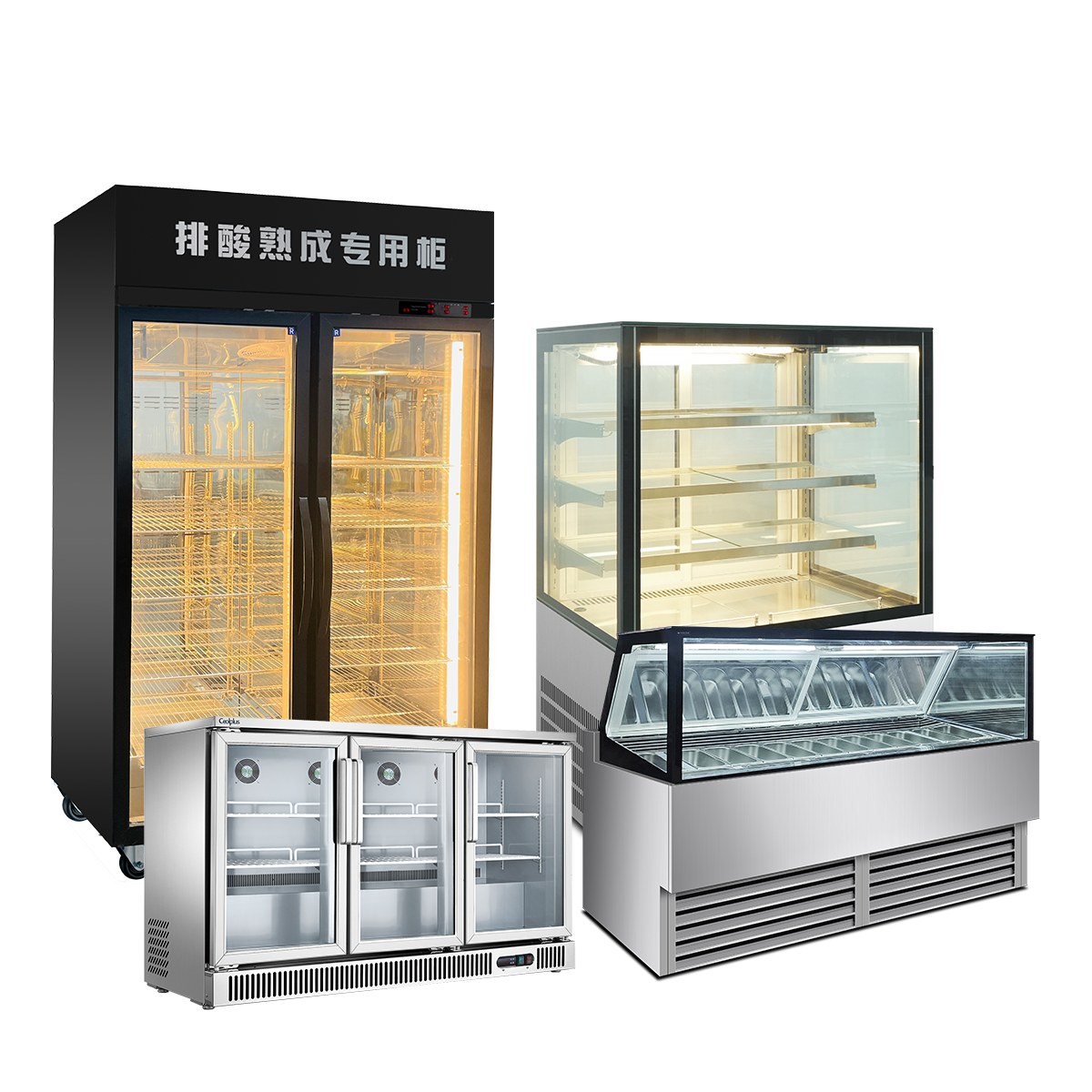
A commercial glass door refrigerator can make beverages easier to see, compare, and reach, helping retailers turn cooler space into a more effective selling area. Good merchandising also depends on product selection, shelf planning, temperature management, and regular performance checks. This guide covers the decisions and practical steps that store owners, beverage buyers, facilities teams, and operators can use to improve a beverage display.
People searching this topic commonly want clear guidance on visibility, product placement, equipment selection, operating costs, and sales performance. Purchasing groups also need to know whether a unit fits the site, holds the required products at a suitable temperature, and can be maintained by their team.

BEU offers commercial refrigeration options for businesses planning beverage displays. Confirm the unit specifications and site requirements with the supplier before purchase.
A glass door lets shoppers see beverage choices before opening the cooler. A clear, organized display can reduce the effort needed to find a preferred drink and make new products easier to discover. Keep labels facing forward, group similar products together, and avoid blocking products with signs or excessive decoration.
Group drinks by a useful shopping pattern, such as beverage type, flavor, package size, or dietary preference. Place high-demand products where shoppers can find them quickly, and use adjacent shelves for complementary choices. For example, place still and sparkling water in clearly marked neighboring sections rather than mixing them without a visible system.
Fingerprints, condensation, empty spaces, and disorganized labels weaken the display. Assign a staff member to check the glass, shelf condition, product facings, and stock level during routine store rounds. Follow the refrigerator manufacturer's cleaning instructions and never use a cleaning method that could damage the door, seals, or finish.
Place the refrigerator where shoppers can see it without blocking aisles, exits, accessible routes, or staff work areas. Consider customer flow, nearby checkout points, complementary products, and the direction from which shoppers approach. Confirm that the location also provides the electrical supply, ventilation clearance, and service access required by the equipment specifications.
Review sales history, customer requests, local preferences, and seasonal patterns before deciding what to stock. A convenience store may prioritize single-serve drinks, while a grocery store may need more package sizes and varieties. Avoid filling every shelf with slow-moving options simply to make the cooler look full.
Place priority products in easy-to-see and easy-to-reach positions, while keeping the assortment logical from top to bottom. Use shelf labels that are easy to read and consistent with the store's pricing system. Check that packages fit without pressing against the door or interfering with air circulation inside the cabinet.
Compare the usable interior space with the size and quantity of products the store plans to merchandise. Measure the installation area, including the route through doors and corridors. Check the cabinet width, depth, height, door swing or sliding-door clearance, and the space needed for ventilation and servicing. A unit's advertised capacity alone does not confirm how many of a particular beverage package will fit.
Confirm the manufacturer's stated operating range and ensure the equipment is appropriate for the products and conditions at the site. Check the required voltage, plug or connection, power consumption information, ambient operating limits, and any installation requirements. Ask how the unit should be loaded and operated so products remain within the applicable food safety and product handling requirements.
Ask about warranty terms, parts availability, routine maintenance, service support, and the expected cleaning process. Compare total ownership considerations rather than relying only on purchase price. Actual energy use and operating cost depend on the model, local energy rates, room conditions, door use, maintenance, and loading practices.
Decide what the display needs to accomplish. The goal might be to increase visibility for a new beverage line, make best sellers easier to reach, improve the presentation of chilled drinks, or replace an inefficient layout. Record the current assortment, sales baseline, and the problem the team wants to solve.
Measure the intended floor area and the delivery route. Confirm that the door can open as required, the unit will not obstruct traffic, and the location meets the supplier's clearance and electrical requirements. Ask a qualified installer or facilities professional to assess any uncertain electrical or site conditions.
Choose products using sales data and shopper needs. Sketch a shelf plan showing each product group, package size, label position, and intended number of facings. Check that the plan fits the usable interior dimensions and leaves the airflow space required by the manufacturer.
Follow the manufacturer's installation instructions and local requirements. Position and level the unit as directed, provide required ventilation clearance, and connect it to the specified power supply. Allow the equipment to reach its operating condition before loading products, following the supplier's instructions for startup and temperature checks.
Clean and prepare the shelves as directed. Load products without blocking vents or exceeding shelf limits. Arrange labels toward the glass, group products by the shelf plan, and follow applicable storage and rotation procedures. Do not assume that a display setting replaces temperature monitoring or required food safety practices.
Use concise shelf labels and readable prices. Place promotional materials where they do not hide products, cover required information, or obstruct airflow. Check that signs match current prices and do not create confusion between similar products.
During the first days after setup, check product availability, display condition, temperature readings, door closure, and customer response according to the store's procedures. Record sales and restocking needs, then adjust the assortment or facings based on evidence rather than guesswork. Continue routine checks after the initial setup period.
Have a tape measure, the refrigerator specification sheet, site measurements, and delivery route measurements available. Use a level if required by the installation instructions. Electrical work should be handled by qualified personnel using the applicable local rules; do not treat general hand tools as a substitute for professional electrical assessment.
Assign who will receive and inspect the equipment, who will coordinate installation, who will stock it, and who will perform daily or scheduled checks. Keep the supplier's operating and maintenance documents where staff can find them. Clear responsibilities reduce missed inspections and inconsistent restocking.
Compare unit sales by product before and after the merchandising change, using comparable time periods where possible. Record stockouts and restocking frequency so a sales change is not confused with a change in product availability. Consider seasonal patterns, promotions, price changes, and other factors that may affect results.
Note which products are frequently picked up, which sections are overlooked, and whether shoppers can read labels easily. Check whether high-demand items repeatedly sell out while slow-moving products occupy valuable space. Use these observations alongside sales data when revising the shelf plan.
Keep records of temperature checks, cleaning, service calls, door or seal issues, and energy information available for the selected model. Follow the manufacturer's maintenance schedule and investigate recurring problems promptly. Do not change equipment settings or maintenance procedures without checking the supplier's instructions and relevant requirements.
Overloading can obstruct circulation, hide products, and make restocking harder. Keep vents clear and follow the manufacturer's loading and shelf weight guidance. Leave the spacing recommended for the unit and product application.
A refrigerator that fits the floor plan may still fail to fit through the delivery route or allow its doors to open fully. Verify the complete path, door clearance, ventilation space, power supply, and service access before ordering. Resolve uncertainties with the supplier or a qualified installer.
A full-looking cooler is not necessarily a useful cooler. Give space to products customers want and review slow-moving items regularly. Use sales records and customer feedback to adjust facings rather than keeping an assortment that does not match demand.
Glass, shelves, door seals, and product dates need routine attention. Establish a written schedule consistent with manufacturer guidance and store requirements. Train staff to report temperature irregularities, damaged seals, unusual sounds, and other changes instead of ignoring them.
Before purchase, obtain written specifications and clarify warranty coverage, installation needs, maintenance expectations, lead time, and service availability. Make sure the selected model suits the intended products and operating environment. A Commercial Refrigeration Equipment Manufacturer or supplier should be able to provide product information for the purchasing team's review.
Ask each supplier for comparable information on dimensions, usable capacity, operating requirements, warranty, service support, maintenance, delivery, and installation. Request clarification where specifications are missing or unclear. Evaluate whether the supplier can support the store after delivery, not only whether the unit meets the initial space and budget requirements.
Rank the requirements that matter most, such as product visibility, fit, service access, energy information, or budget. Record why the chosen model meets those requirements and what assumptions remain to be verified. This makes purchasing decisions easier to review across operations, facilities, and finance teams.
With the right product mix, a practical shelf plan, and consistent operating checks, a Commercial glass door refrigerator can make beverage merchandising easier for shoppers and store teams. BEU can help businesses review commercial refrigeration options and equipment information at .

To visit Guangzhou BEU Electric Appliance Co., Ltd. (called as BEUEA below) website, you are agreeing the terms and conditions within this policy.
BEUEA respects your privacy and will protect your information remains confidential.
We will not lease, sell, or rent your information to the third party for their independent use under any circumstances.