 11/27 ,2026
To improve visibility and product appeal in a commercial glass door refrigerator, you do not need to guess at brighter bulbs. With BEU’s practical LED selection and commissioning steps, you can assess the existing display, choose suitable color and output, check compatibility, and verify the result with simple measurements. This process helps retailers address dim shelves, uneven illumination, excess heat, and frequent lamp replacement without making unsupported promises about energy savings.
!
Lighting affects what customers see, how easily staff check stock, and the overall appearance of a refrigerated display. In a supermarket, convenience store, or food-service operation, poor illumination can leave lower shelves in shadow or make fresh products appear less appealing.
LEDs can help address these issues when the system is specified and installed correctly. Compared with many traditional lamps, LED systems can offer directional light, long service life, and lower lighting power. They can also produce less radiant heat toward products, although the complete fixture’s heat output and effect on cabinet cooling depend on its design and installation.
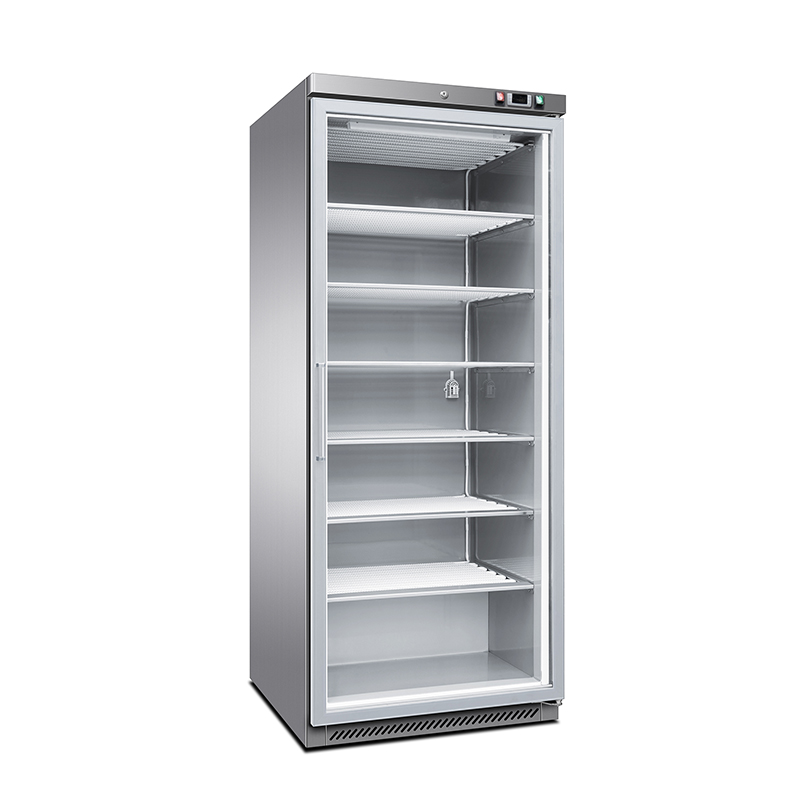
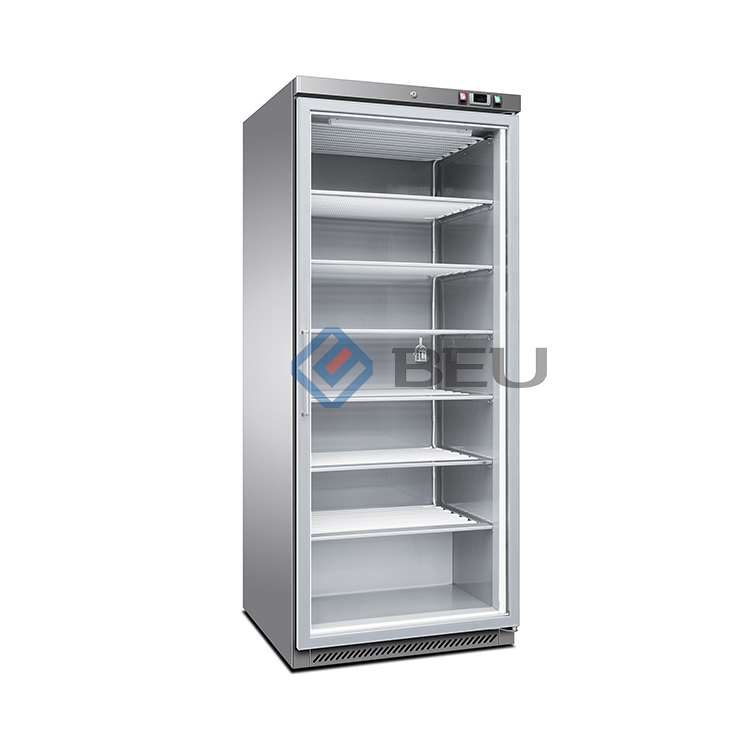
For a Commercial glass door refrigerator, the goal is not maximum brightness everywhere. The goal is consistent, comfortable illumination across the visible product area, with appropriate color rendering and no distracting glare or hotspots.
LED strips or modules can be positioned along door mullions, cabinet sides, or canopy areas to direct light toward merchandise. Good placement reduces dark corners and improves vertical illuminance—the light that reaches product labels and packages facing the shopper.
Color temperature and color rendering affect how food appears. A neutral-white option around 3,500–4,000 K can be a useful starting point for many mixed-product displays, but the best choice depends on the products, store environment, and brand presentation. A color rendering index (CRI) of 80 or higher is a common specification target; evaluate samples with the actual products before ordering in volume.
Efficient LED fixtures may use less electrical power than the lighting they replace. Because electrical power ultimately becomes heat, reducing lighting load can also reduce heat introduced into the cabinet. The actual impact on refrigeration energy depends on the complete cabinet, operating conditions, controls, and fixture design. Ask for measured data rather than assuming a fixed percentage saving.
LEDs can reduce replacement frequency when the driver, thermal management, and operating environment are appropriate. In refrigerated cases, condensation, temperature cycling, vibration, and cleaning chemicals can affect service life. Check the fixture’s rated operating conditions and ingress protection rather than relying on a headline lifetime alone.
Before buying new lighting, document the cabinet and its current performance:
Use the same measurement positions before and after installation. There is no single lux target that suits every cabinet and product mix, so set a project-specific target with the retailer, lighting supplier, or cabinet manufacturer.
Share cabinet dimensions, shelf layout, door and mullion configuration, supply voltage, and expected operating temperature with your supplier. A qualified Commercial Refrigeration Equipment Manufacturer can help assess fixture placement, wiring routes, and cabinet compatibility.
Compare these specifications:
Request relevant test documentation. Depending on the product and market, useful references may include ANSI/IES LM-79 photometric and electrical measurement, IEC 62471 photobiological safety, and IEC 60598-1 luminaire safety. Confirm which requirements apply to the specific fixture and destination market; mentioning a standard is not proof that a product is certified to it.
Install a sample fixture in one representative cabinet. Allow it to operate under normal conditions, then review the display with the doors closed and open. Check the top, middle, and bottom shelves for uniformity, compare product colors, and look for reflected glare or visible LED dots.
For a controlled comparison, record the same shelf-point lux readings before and after the change. A commissioning checklist can require 100% inspection of installed fixtures for operation, mounting, wiring, and visible defects. This is a recommended project check, not a claim about any supplier’s factory process.
Have a qualified technician isolate power and follow local electrical requirements. Keep lighting and wiring clear of evaporator airflow, door seals, drainage paths, and moving components. Use sealed connectors and cable routing suitable for the refrigerated environment, and avoid drilling or modifying a cabinet without manufacturer approval.
A Commercial Refrigeration Equipment Manufacturer should review non-standard retrofits where the change could affect cabinet structure, electrical safety, warranty, or airflow. After installation, confirm that doors close correctly and that the refrigeration system operates normally.
After installation, repeat the original measurements and visual checks. Record:
Compare energy use over a suitable period, accounting for store hours and operating conditions. If you estimate payback, include fixture and installation costs, electricity rates, and any verified maintenance changes. Avoid treating projected savings as guaranteed results.
| Challenge | Why it happens | Practical response |
|---|---|---|
| Bright spots and dark shelves | Poor placement or unsuitable beam distribution | Review photometric data and test fixture positions in a sample cabinet. |
| Products look washed out or unlike their real color | CCT or CRI does not suit the merchandise | Compare product samples under candidate LEDs and the store’s ambient lighting. |
| Glass-door reflections distract shoppers | Light hits the glass at an unfavorable angle | Adjust mounting or optics and review from normal customer viewing positions. |
| LEDs fail earlier than expected | Heat, moisture, incompatible drivers, or poor connections | Check operating-temperature and IP specifications, driver compatibility, and installation quality. |
| Retrofit affects cooling or service access | Fixture or wiring obstructs airflow or components | Obtain cabinet approval and keep airflow paths and service clearances unobstructed. |
A Commercial Refrigeration Equipment Manufacturer can help resolve cabinet-specific fit and integration questions. When evaluating suppliers, ask for dimensioned drawings, electrical data, photometric files, test reports, warranty terms, and a clear process for technical support. Agree on a response-time expectation—for example, a 24-hour initial response for urgent project questions—rather than assuming one is included.
A specialist Commercial Refrigeration Equipment Manufacturer should be able to explain which documents are available for its equipment and what information an LED supplier needs to confirm compatibility. BEU recommends validating the proposed configuration on a representative cabinet before committing to a large-scale rollout.
When sourcing a new cabinet or planning a lighting retrofit, assess more than the LED component. Ask the Commercial Refrigeration Equipment Manufacturer about cabinet configuration, lighting options, electrical specifications, service access, and documentation for the target market. For export projects, confirm voltage, plug or wiring requirements, applicable compliance documents, packaging, lead time, and after-sales support in writing.
Compare suppliers using the same specification sheet. This makes it easier to distinguish measured performance from estimates and to confirm that the selected lighting suits the cabinet, merchandise, and operating environment.
To improve a refrigerator display, first document the current shelf lighting, then select an LED system based on distribution, color quality, electrical compatibility, and environmental suitability. Test one cabinet, install with attention to airflow and safety, and verify the result using repeatable measurements.
BEU encourages retailers, project buyers, and equipment partners to start with a sample cabinet and a written commissioning checklist. These straightforward steps make it easier to identify problems early, improve product visibility, and make an informed decision about a wider upgrade.
To visit Guangzhou BEU Electric Appliance Co., Ltd. (called as BEUEA below) website, you are agreeing the terms and conditions within this policy.
BEUEA respects your privacy and will protect your information remains confidential.
We will not lease, sell, or rent your information to the third party for their independent use under any circumstances.