 09/21 ,2026
 If you are asking, “How Much Does a Commercial Blast Chiller Cost?”, I recommend a simple four-step process: calculate your batch size, define the required cooling cycle, compare the equipment price with installation and operating costs, and request a specification-based quotation from BEU. This approach helps restaurants, central kitchens, bakeries, caterers, and food manufacturers avoid overbuying, control food-safety risks, and select the right commercial blast chiller efficiently.
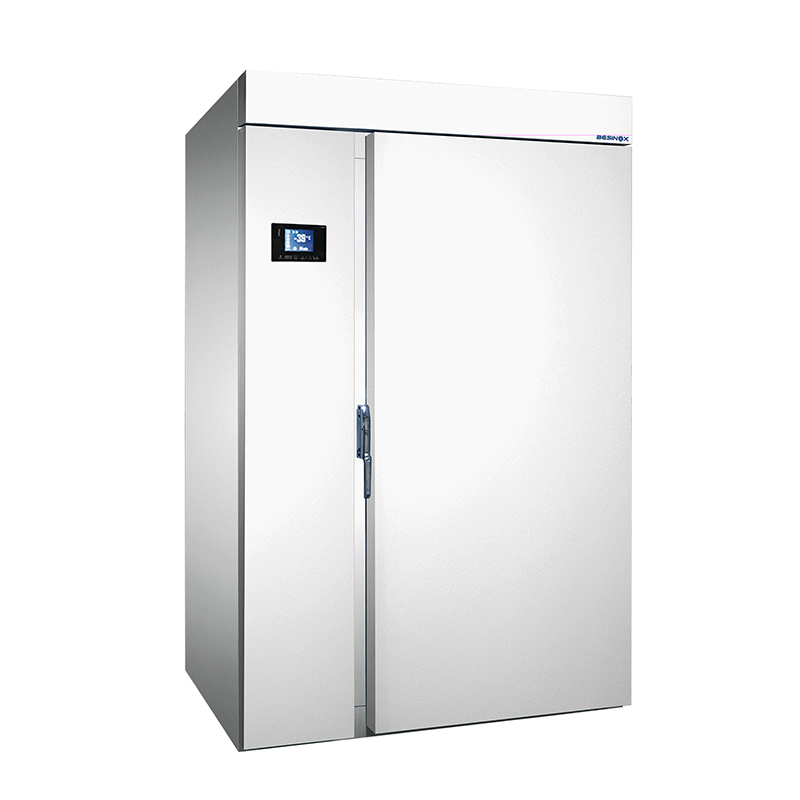
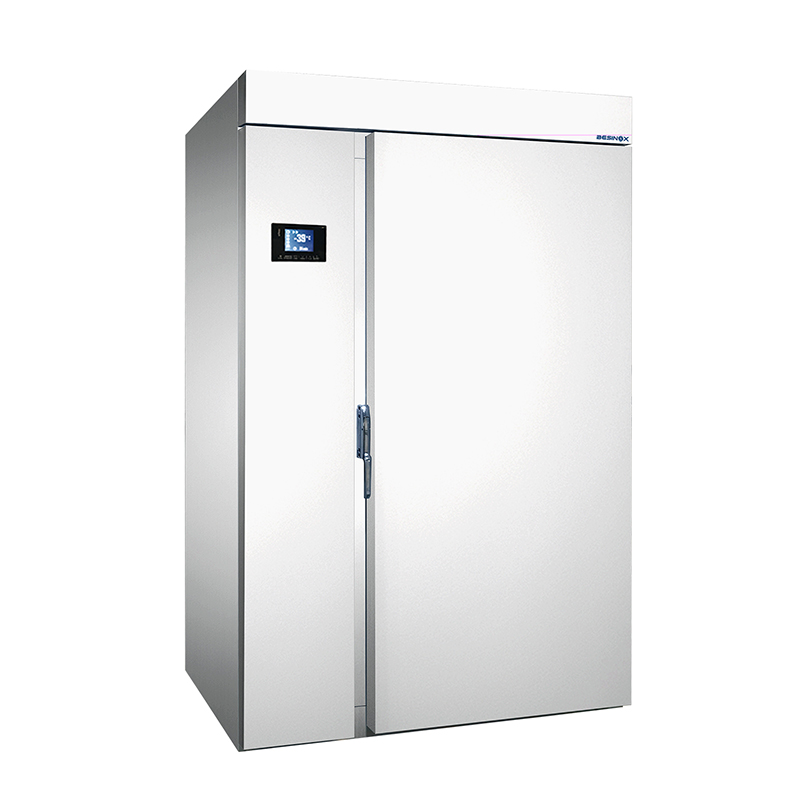
The purchase price of a commercial blast chiller typically falls into the following ranges:
| Commercial blast chiller type | Typical capacity | Approximate equipment price* |
|---|---|---|
| Undercounter blast chiller | 5–10 kg per cycle | US$3,000–US$8,000 |
| Reach-in blast chiller | 10–30 kg per cycle | US$8,000–US$18,000 |
| Roll-in blast chiller | 40–100 kg per cycle | US$15,000–US$35,000 |
| Industrial blast chiller/freezer | 100–500+ kg per cycle | US$40,000–US$150,000+ |
| Tunnel or continuous blast chilling system | Application-specific | US$100,000–US$500,000+ |
*These are indicative international market ranges. Final pricing depends on capacity, refrigerant, voltage, insulation, control system, shipping terms, certifications, and customization.
For most commercial kitchens, the practical answer to How Much Does a Commercial Blast Chiller Cost? is between US$8,000 and US$35,000. Small cafés may need an undercounter model, while hotels, meal-preparation facilities, and food-processing plants usually require roll-in or industrial equipment.
As a commercial blast chiller manufacturer, BEU can configure equipment according to tray dimensions, product load, cooling targets, electrical supply, and production volume instead of offering a one-size-fits-all cabinet.
The cabinet price is only one part of the total investment. I recommend evaluating the following technical and commercial factors before comparing quotations.
A blast chiller is normally rated by the amount of food it can process in one cycle. A 10 kg batch and a 100 kg batch require very different refrigeration capacity, evaporator surface area, fans, and compressor power.
Estimate your requirement with this basic method:
For example, if your kitchen produces 24 kg of cooked food every 90 minutes, a 30 kg blast chiller may be more suitable than a 20 kg model. Overloading a smaller unit can extend the pull-down time and compromise product quality.
Some units provide only blast chilling, while combination models can also blast-freeze products. A blast chiller may cool food from approximately +90°C to +3°C, depending on the product and operating program. A blast freezer may reduce the product core temperature to approximately -18°C.
Combination equipment generally costs more because it requires:
If your business only needs chilled meal production, a dedicated blast chiller may reduce capital expenditure. If you freeze sauces, bakery fillings, seafood, or prepared meals, a combined chiller-freezer may deliver better long-term value.
A basic timer-controlled unit is less expensive than a model with a core temperature probe, HACCP data logging, recipe storage, and remote monitoring.
For professional foodservice operations, I recommend specifying:
These features improve process repeatability and help managers demonstrate that the cooling procedure is controlled rather than based on guesswork.
A high-quality commercial blast chiller generally uses AISI 304 stainless steel for food-contact and internal surfaces. Important design details include:
The cheapest unit may have a lower purchase price but higher cleaning, repair, and replacement costs. For demanding environments, I look for hygienic design aligned with EN 1672-2 principles and food-equipment sanitation requirements.
The refrigeration system strongly influences both purchase price and operating cost. Check the following specifications:
Energy efficiency should be evaluated under realistic loading conditions, not only at no-load conditions. A unit with a higher initial price may reduce electricity expenses if it has efficient compressors, optimized fan motors, and effective insulation.
When requesting a quotation from BEU, I recommend asking for a complete commercial offer rather than only a cabinet price. A professional quotation should clearly identify:
As a commercial blast chiller manufacturer, BEU can also help determine whether your facility needs a plug-in system, remote condensing unit, walk-in configuration, or customized trolley loading arrangement.
The most reliable way to answer How Much Does a Commercial Blast Chiller Cost? is to calculate the total cost of ownership.
Write down:
Deep containers and dense products usually cool more slowly than shallow trays. The supplier must evaluate the actual product load, not just the empty cabinet volume.
Common configurations include:
Tray spacing is important. If trays are too closely packed, air circulation becomes restricted and the product core may not reach the required temperature within the planned cycle.
Installation can add approximately US$1,000–US$5,000 for many standard projects, although complex installations may cost substantially more.
Potential installation expenses include:
Confirm whether the supplier quotation is based on EXW, FOB, CIF, or DDP. Freight, customs duty, destination handling, and local taxes can significantly change the delivered cost.
Before placing an order, verify:
A mismatch between the equipment and the local power supply can delay commissioning and create avoidable modification costs.
Use this simple ownership model:
Total cost = Equipment price + freight + tax and duty + installation + commissioning + maintenance + energy cost
Ask the commercial blast chiller manufacturer for:
BEU’s quotation should be reviewed using this full-cost method rather than comparing only the lowest initial price.
A trustworthy supplier should provide clear documentation and test records. Depending on the destination market, relevant requirements may include:
ASTM or DIN standards may apply to specific materials, tests, or components, but buyers should ask the supplier to identify the exact standard and test scope instead of accepting a general “CE” or “quality certified” statement.
For production quality, I would also request evidence of:
A supplier offering a 24-hour response to technical or quotation requests can also reduce project delays, although response time should be confirmed contractually.
The operating cost depends on local electricity prices, workload, ambient temperature, defrost frequency, and cleaning practices.
A basic estimate is:
Annual energy cost = Rated input power × operating hours × electricity price
For example, if a unit averages 8 kW during active operation, operates 4 hours per day, and electricity costs US$0.15/kWh:
This is a simplified estimate. Actual consumption varies because compressors cycle on and off, and the refrigeration load changes with product temperature.
Regular maintenance can help control operating costs:
A large internal volume does not always mean high cooling capacity. A unit may hold many trays but lack the compressor capacity to cool a fully loaded batch quickly.
Solution: Request rated batch performance with the specific product, tray depth, and target temperature.
Air temperature inside the cabinet can fall rapidly while the food core remains too warm.
Solution: Specify a calibrated core probe and require cycle verification at the thickest product point.
Overloading increases cycle time and may create inconsistent results between trays.
Solution: Add at least 20% capacity above the calculated peak batch requirement.
International freight, customs clearance, electrical work, and refrigeration commissioning can add thousands of dollars.
Solution: Request both an equipment-only quotation and a landed-cost estimate.
A blast chiller is production-critical equipment. Long spare-parts delays can interrupt meal production and increase food waste.
Solution: Ask BEU for warranty terms, spare-parts availability, troubleshooting procedures, and service contact details before purchasing.
I recommend preparing the following resources before contacting a commercial blast chiller manufacturer:
Batch-production worksheet
Record food type, batch weight, starting temperature, target temperature, and cycle time.
Site utility checklist
Include voltage, phase, frequency, breaker capacity, drainage, access dimensions, and ventilation.
Total-cost spreadsheet
Compare equipment, shipping, duty, installation, energy, maintenance, and warranty terms.
Temperature data logger
Use it during commissioning to confirm actual product-core performance.
HACCP cooling record
Document each cooling cycle, operator, product, start time, end time, and final core temperature.
Supplier comparison matrix
Score each quotation for capacity, cycle performance, certifications, warranty, service response, and delivery schedule.
Before approving a BEU commercial blast chiller, confirm these points:
So, How Much Does a Commercial Blast Chiller Cost? For a small commercial operation, plan on approximately US$3,000–US$8,000. For a typical restaurant, catering kitchen, or bakery, the realistic range is US$8,000–US$35,000. High-capacity roll-in, industrial, and tunnel systems can cost US$40,000 to more than US$500,000, depending on automation and throughput.
The best next step is to send BEU your batch weight, product type, cooling target, tray format, site voltage, and required delivery location. As an experienced commercial blast chiller manufacturer, BEU can then provide a specification-based recommendation instead of a generic price. By checking capacity, standards, installation, lifecycle cost, and after-sales support together, we can make the answer to How Much Does a Commercial Blast Chiller Cost? more accurate—and help your business invest in reliable, food-safe production equipment.
To visit Guangzhou BEU Electric Appliance Co., Ltd. (called as BEUEA below) website, you are agreeing the terms and conditions within this policy.
BEUEA respects your privacy and will protect your information remains confidential.
We will not lease, sell, or rent your information to the third party for their independent use under any circumstances.