 11/17 ,2026
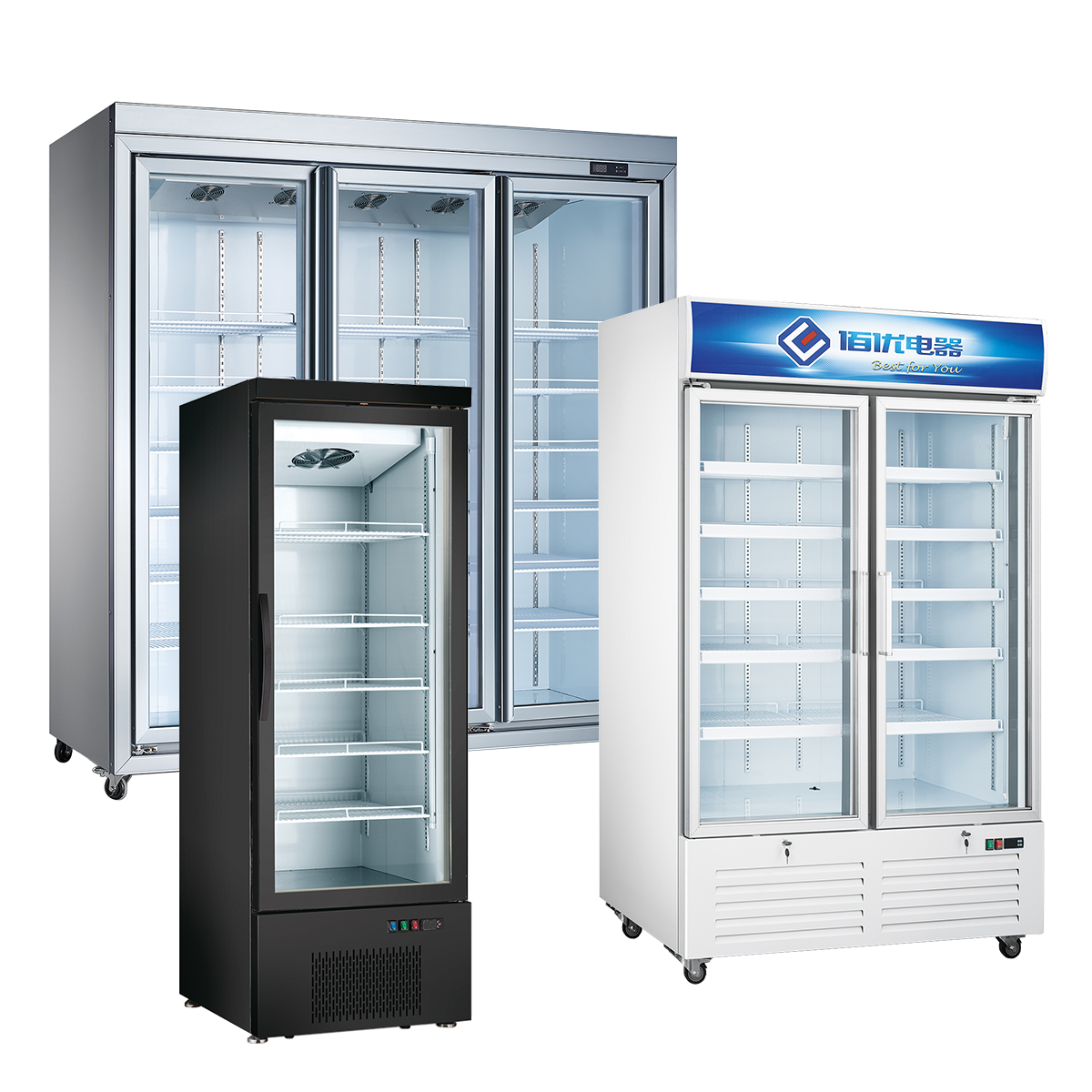
A Commercial Refrigeration Equipment Manufacturer can help you compare models, but the right choice starts with your store’s products, sales pattern, floor plan, and electrical supply. A small shop stocking bottled drinks has different needs from a grocery store displaying dairy and ready-to-eat foods. When comparing a commercial glass door refrigerator for retail, a glass door merchandiser refrigerator, or an energy-efficient commercial display refrigerator, check usable capacity, temperature performance, and operating conditions—not just exterior size. A beverage display cooler, reach-in cooler, and refrigerated display case may look similar in a product listing but can serve different purposes. This guide explains how to choose and verify one, including the professional terms net capacity, temperature uniformity, and pull-down time.
A retail refrigerator must hold the products you sell at an appropriate temperature, make them easy to see and reach, and fit the way staff replenish stock. It also needs to work within the store’s electrical and ventilation conditions. A unit that is too small can lead to frequent restocking and blocked shelves; one that is oversized may take up valuable selling space and cost more to run.
Separate food-safety requirements from equipment marketing claims. The FDA Food Code 2022 specifies that time/temperature control for safety (TCS) food held cold should be maintained at 41°F (5°C) or below. Local jurisdictions may adopt different editions or requirements, so confirm the rules that apply to your location. A refrigerator’s display reading alone does not establish that every product is at a safe temperature.
Tools: Inventory sheet, tape measure, and sales or stock records.
Action: Group products by storage needs and package size. Estimate the quantity that must be on display between replenishment rounds, rather than sizing the cabinet from the total amount in the stockroom. Identify whether customers will serve themselves or staff will access the unit.
Parameters: Record the largest package dimensions, the number of facings you want, and the peak quantity that needs to be visible at once. For TCS foods, check the applicable local food code and the product’s handling instructions.
Check: Sketch the intended shelf layout and confirm that products can be seen and removed without blocking air outlets or crowding the shelves.
If it fails: If the required display does not fit, revise the assortment or compare a different cabinet size and shelf layout. Do not treat advertised gross volume as usable shelf space.
Tools: Tape measure, level, camera, and the product’s dimensional drawing or installation manual.
Action: Measure the installation footprint, the route from the delivery entrance, and all narrow points such as doorways and turns. Check the door’s swing and the aisle clearance when shoppers are present.
Parameters: Compare measurements with the exact model’s external dimensions, door-open dimensions, delivery dimensions, and specified service and ventilation clearances. Follow the manufacturer’s instructions rather than using a universal clearance figure.
Check: Confirm in writing that the unit can reach the site, sit level, open fully, and be serviced without moving fixed equipment.
If it fails: Ask the supplier about an alternate width, door configuration, or delivery method before ordering. Do not remove doors or panels unless the manufacturer or an authorized technician confirms that the procedure is permitted.
Tools: Product list, shelf-layout sketch, and specification sheets.
Action: Compare net or usable capacity where supplied, shelf dimensions, shelf adjustability, load limits, and the number of doors. Map your common packages onto the shelves.
Parameters: Check each shelf’s stated weight limit and leave the airflow paths specified in the manual unobstructed. Consider whether doors will be opened frequently and whether the door opening is convenient for customers and staff.
Check: Verify that the planned stock fits with room for air circulation and that labels remain visible. Confirm that the shelves can support the actual products, not just the expected total volume.
If it fails: Reduce the number of facings, change shelf spacing, or select another cabinet layout. Never exceed the manufacturer’s shelf-load limit.
Tools: Specification sheet, installation manual, and a calibrated food thermometer or data logger suitable for your monitoring plan.
Action: Confirm the unit’s stated operating temperature range and intended use. Ask the supplier for test conditions and information on temperature control, defrost, alarms, and recovery after normal door openings.
Parameters: For TCS foods, use the applicable local requirements; the FDA Food Code 2022 uses 41°F (5°C) or below for cold holding. The product’s safe temperature must be verified using an appropriate procedure. Do not assume that a cabinet’s set point equals the temperature of every item inside.
Check: After installation and stabilization, record temperatures at representative locations and in representative products according to your food-safety plan. Review readings during normal store use, including busy periods.
If it fails: Check that doors close fully, vents are not blocked, the cabinet is level, and the room is within the specified operating conditions. Follow the manual and contact qualified service personnel if temperatures remain out of range. Move vulnerable food to suitable cold storage and follow local food-safety procedures.
Tools: Nameplate photo, electrical installation documents, and the supplier’s energy data.
Action: Compare models using energy figures reported on the same basis. Ask whether a stated consumption figure is measured, estimated, or based on a defined test procedure, and request the applicable test conditions.
Parameters: Match voltage, phase, frequency, and current requirements to the site supply. Use the model’s nameplate and installation manual. Do not choose a unit based only on a broad “energy-saving” claim or compare figures that use different test conditions.
Check: Have a qualified electrician confirm the circuit and installation before commissioning. Record the model and its rated electrical information for maintenance and future replacement planning.
If it fails: Stop the installation and consult a qualified electrician and the equipment supplier. Do not use an adapter, extension cord, or improvised circuit unless the manufacturer’s instructions and applicable electrical rules explicitly permit it.
Tools: Product data sheet, warranty document, and a written service quotation.
Action: Ask for the refrigerant type, charge information where provided, required technician qualifications, warranty coverage, and local service arrangements. Confirm which parts and labor are covered and which actions could void the warranty.
Parameters: Verify that installation and servicing comply with applicable refrigerant, environmental, and safety regulations. Refrigerant work should be handled by qualified personnel under the rules that apply in your jurisdiction.
Check: Save the model and serial numbers, warranty terms, service contact details, and commissioning records in one location.
If it fails: If the supplier cannot provide clear documentation or a realistic service route, compare another supplier or model before purchase. Avoid relying on an unsupported verbal promise.
Tools: Installation manual, level, cleaning supplies approved for the cabinet, and the thermometer or logger used in your food-safety plan.
Action: Have the unit installed according to its manual, level it as instructed, clean it before use, and allow it to reach operating conditions before loading. Load products without covering air outlets or exceeding shelf limits.
Parameters: Follow the manufacturer’s specified start-up and stabilization instructions. Use the temperature-monitoring schedule required by your food-safety plan and local rules; there is no single monitoring interval that fits every operation.
Check: Verify door closure, cabinet alarms if fitted, temperature readings, and visible airflow. Record the date, readings, and corrective action if a reading is outside your limit.
If it fails: Recheck the setup and loading against the manual. If the cabinet cannot maintain the required conditions, protect the products, document the issue, and contact qualified service personnel.
A supplier should be able to answer practical questions with model-specific documentation. Ask for the installation manual, dimensional drawing, electrical data, temperature specifications, warranty, and service arrangements. If energy use is important to your operating budget, request comparable figures and their test basis. If a supplier cannot substantiate a claim, treat it as unverified rather than as a buying advantage.
BEU can be included in your supplier comparison, but assess any BEU model using the same evidence as other brands: exact model specifications, installation requirements, warranty terms, and local service availability. Do not assume that a brand name alone confirms a particular performance level or certification.
The temperature reference in this guide comes from the FDA Food Code 2022, which provides a model code for adoption by local jurisdictions. Check the current rules where your store operates: .
No named retailer testimonial or measured customer result is presented here because a verifiable customer record was not provided. Inventing a store’s energy savings, sales increase, or temperature results would mislead buyers. For a genuine case study, ask a supplier or retailer for permission to publish the store name, model number, measurement period, test method, and supporting records. A useful in-store evaluation should record the cabinet model, ambient conditions, product loading, temperature readings, service events, and energy measurement method where available.
Start with the products and replenishment pattern, then measure the site and delivery route. Compare usable capacity, shelf limits, temperature suitability, energy data, electrical requirements, and local service support using model-specific documents. Install the cabinet according to its manual and verify performance under your store’s real operating conditions. A Commercial Refrigeration Equipment Manufacturer should be able to support its recommendations with specifications and service information; the final choice should fit your operation, not just the product photograph.

To visit Guangzhou BEU Electric Appliance Co., Ltd. (called as BEUEA below) website, you are agreeing the terms and conditions within this policy.
BEUEA respects your privacy and will protect your information remains confidential.
We will not lease, sell, or rent your information to the third party for their independent use under any circumstances.