 11/10 ,2026
Whether you are importing your first unit or scaling a distribution program, a reliable process can reduce compliance risks, control landed costs, and protect your customers after delivery. We recommend moving through eight stages: define the market and product requirements, qualify BEU as a supplier, confirm specifications and certifications, calculate total import costs, approve a sample or pilot order, set inspection criteria, manage freight and customs, and establish after-sales support. As you work with a Commercial Refrigeration Equipment Manufacturer, document every decision in a purchase specification and verify country-specific rules with your customs broker and local compliance adviser before placing a production order.

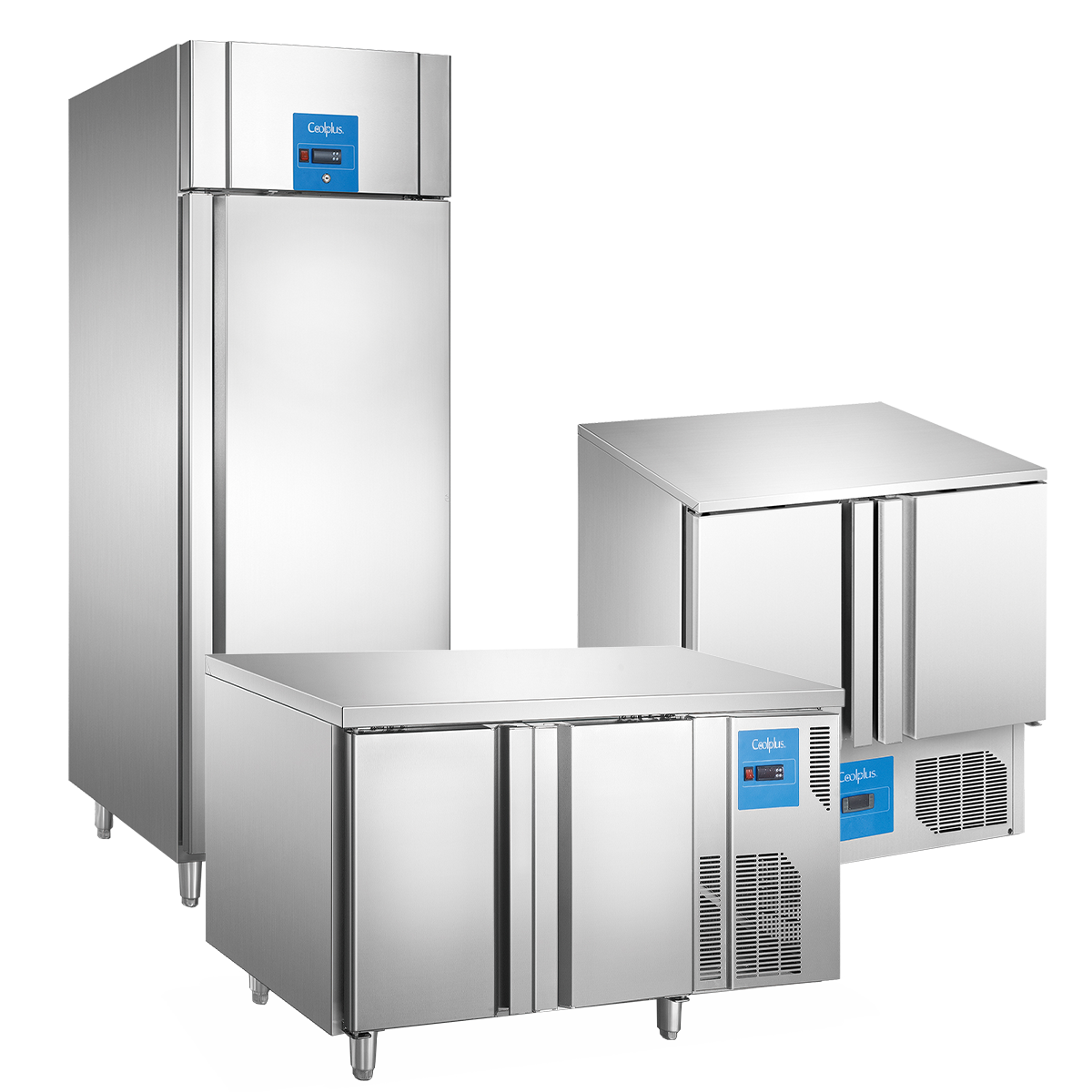
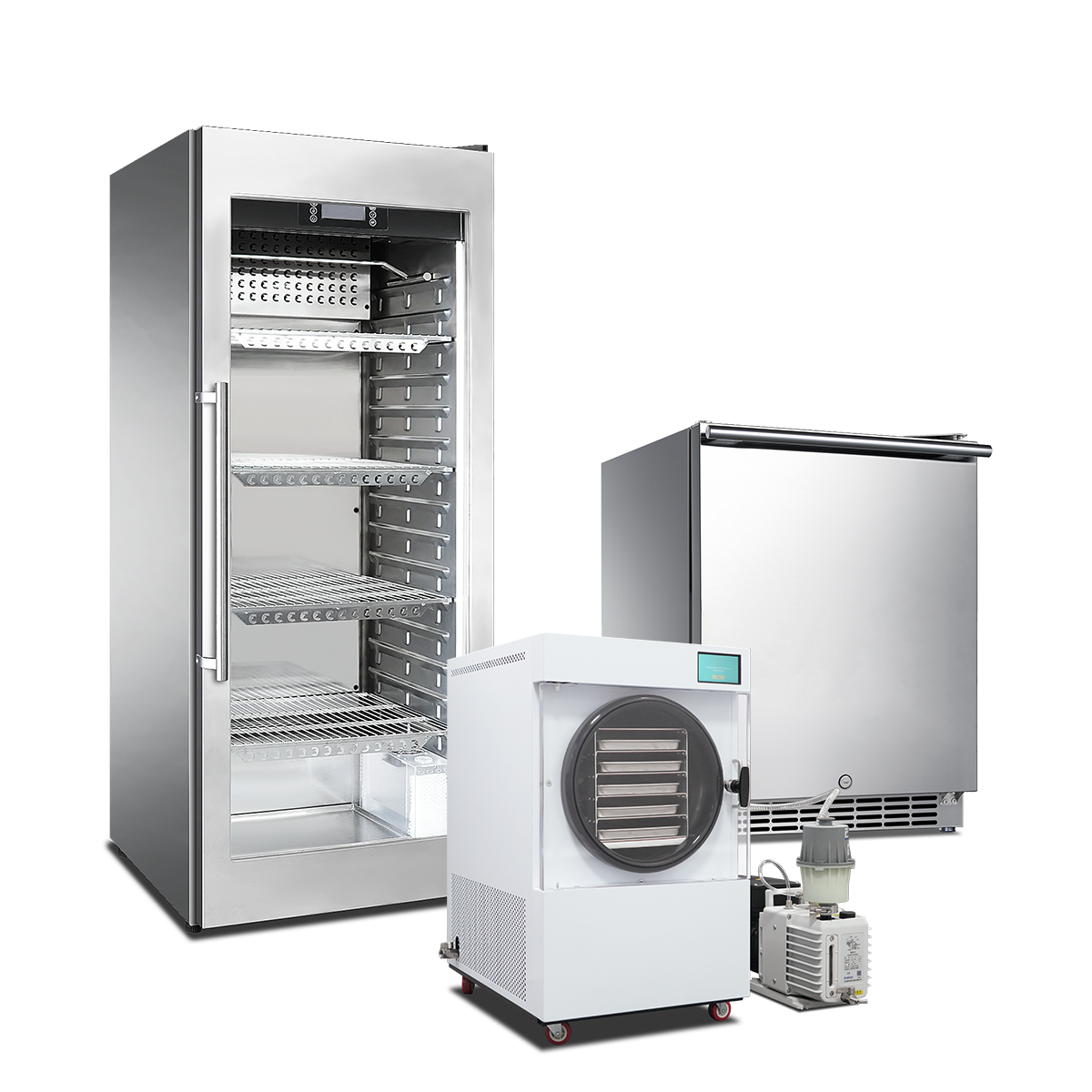
Before requesting quotations, identify where the refrigerator will operate and what it must store. A unit intended for a busy restaurant kitchen may need different shelving, access, and recovery performance from a display refrigerator used in a convenience store. This first step gives you a consistent basis for comparing suppliers and prevents specifications from drifting during production.
Use one approved specification sheet for every quotation. This makes it easier to compare a Commercial Refrigeration Equipment Manufacturer with alternative suppliers on equivalent terms rather than comparing headline prices for different configurations.
Once the product requirement is clear, evaluate BEU as a manufacturing and export partner. A professional supplier review should cover the factory or production arrangement, quality management, export experience, engineering support, production capacity, and communication process. Ask for current, product-specific records rather than relying only on a brochure or general certificate.
A 24-hour response target is a useful service-level agreement to negotiate; it should not be treated as a guaranteed BEU service unless confirmed in the contract. Similarly, request a 100% pre-shipment visual and functional inspection if that level of inspection matters to your business, and define exactly what it covers. A Commercial Refrigeration Equipment Manufacturer should be able to explain its inspection records and corrective-action process.
Product compliance is determined by the destination market, product design, and intended use. Do not assume that a certificate for one country automatically satisfies another country’s requirements. Before ordering, have a local compliance specialist or importer-of-record confirm applicable electrical safety, electromagnetic compatibility, energy-labeling, food-contact, refrigerant, and environmental rules.
Keep the compliance review in writing. If a test report does not clearly identify the model or configuration, ask the supplier and testing body to clarify before production. This is one of the most important checkpoints when working with any Commercial Refrigeration Equipment Manufacturer.
A low factory price does not necessarily produce a low-cost import. Build a landed-cost worksheet before choosing a supplier, using the same order quantity, packaging assumptions, and Incoterm for each quotation. Ask a licensed customs broker to confirm the likely tariff classification and duties; do not rely on a supplier’s suggested HS code without checking local rules.
| Cost component | What to confirm |
|---|---|
| Product price | Model, options, unit quantity, currency, tooling, and spare parts |
| Origin charges | Export packing, documentation, loading, and terminal charges |
| International freight | Mode, route, transit estimate, fuel or peak-season surcharges, and cargo insurance |
| Import costs | Customs duty, taxes, broker fees, port or terminal fees, and inspection charges |
| Delivery and setup | Inland transport, unloading equipment, installation, and site preparation |
| After-sales provision | Spare parts, warranty handling, technician time, and potential returns |
Agree on an Incoterm and named place in the contract, then verify that the quotation allocates responsibilities consistently. For example, a price under FOB and one under CIF cannot be compared without adding the costs and risks each leaves to the buyer. Also confirm the payment schedule, production milestones, and remedies for late delivery or nonconforming goods.
With the commercial and compliance details aligned, validate the product before committing to a large order. Depending on the order size and product complexity, this may mean reviewing a production sample, inspecting a pre-production unit, or placing a small pilot order. A sample should represent the final bill of materials and configuration, not an upgraded showroom unit.
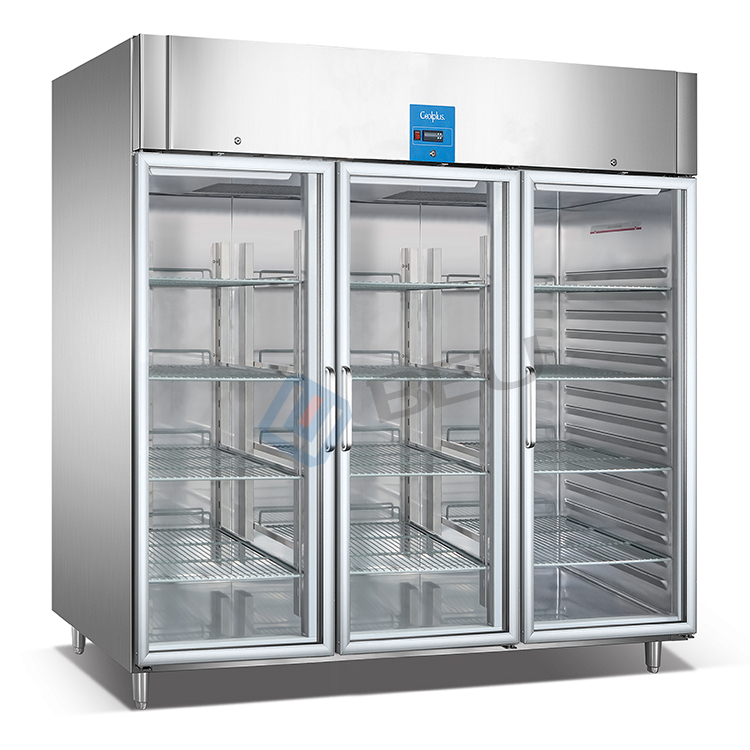
Agree on an inspection checklist that covers model and serial identification, dimensions, finish, doors and hinges, gasket contact, shelves, controller operation, lighting, accessories, labeling, and packaging. For dimensional checks, state the measurement method and tolerance in the drawing; for instance, record agreed dimensions to the nearest 1 mm when that precision is appropriate. Do not request a 0.01 mm tolerance for a cabinet dimension unless the design and measurement process genuinely require it.
As a practical benchmark, distributors may request 100% checks for critical identity, visible damage, accessories, and basic function, while using a defined sampling plan for other attributes. The right plan depends on risk and order volume. A Commercial Refrigeration Equipment Manufacturer should confirm what it can inspect, how results are recorded, and who pays for rework or reinspection if the goods fail agreed criteria.
After the inspection plan is approved, coordinate production completion, cargo readiness, shipping space, and destination delivery. Commercial upright refrigerators are bulky and can be vulnerable to impact, tipping, moisture, and compression damage. Confirm that packaging is designed for the actual route and handling method, and ask for clear loading photographs before the container is sealed.
Ask your customs broker to review the draft documents before shipment. Resolve discrepancies in model names, quantities, weights, declared values, and consignee details early; document errors can delay clearance even when the product is compliant. For refrigerated equipment, also confirm whether the shipment includes any regulated refrigerant or other material requiring special declarations.
Importing is not finished when the shipment clears customs. Before dispatching units to customers, inspect for transit damage, verify the supplied accessories and manuals, and confirm that installation conditions match the product requirements. Give installers clear guidance on positioning, electrical connection, ventilation clearance, start-up, and any manufacturer-specified settling period after transport.
Set up a local service plan before the first sale. Keep a parts list with order codes, identify critical replacement components, define warranty claim evidence, and agree how BEU will support technical questions. A distributor who can diagnose common issues and source parts promptly is better positioned to protect uptime and customer confidence.
We recommend maintaining one shared folder or project file for each model and purchase order. These simple resources make the process easier to repeat:
Consider a hypothetical distributor entering a new market with a first order of 20 commercial upright refrigerators. The buyer initially compared quotations by unit price alone and discovered that electrical configuration, packaging, and included accessories differed. The distributor then issued one specification sheet, asked BEU to confirm the exact model configuration, checked local compliance with a broker, and added freight, import charges, and spare parts to the cost comparison.
Before the full shipment, the distributor approved a representative unit and agreed on a pre-shipment checklist covering model identification, visible condition, accessories, operation, and packaging. The pilot process did not eliminate every import risk, but it exposed specification gaps before they affected all 20 units and gave the buyer a repeatable process for future orders. The lesson is practical: document requirements, verify evidence, and resolve differences before goods leave the factory.
Solution: Have a destination-market specialist review model-specific documents and label artwork before production. Hold shipment approval until required evidence is confirmed.
Solution: Obtain a written freight scope, ask a broker to review classification assumptions, and include a contingency in the landed-cost plan. Confirm which destination charges are excluded from the supplier quotation.
Solution: Specify packaging and handling requirements, insure the shipment as appropriate, document loading condition with photographs, and report damage promptly under the carrier and insurer’s procedures.
Solution: Agree on test conditions, loading assumptions, ambient conditions, and measurement points before production. Compare test results only when the method and conditions are consistent with the product specification.
Solution: Agree on a written claim workflow, response target, parts ordering process, and escalation contact before the first sale. Keep common service parts locally where customer downtime would be costly.
Successful importing depends on more than selecting a competitive commercial upright refrigerator. Define the use case, qualify BEU and verify the exact product evidence, confirm local compliance, calculate the full landed cost, approve a representative unit, inspect against written criteria, and prepare freight, customs, installation, and service support. When you work with a Commercial Refrigeration Equipment Manufacturer, clear specifications and documented approvals make the relationship easier to manage and future orders more consistent. For every shipment, keep the records together, resolve exceptions before dispatch, and review actual costs and customer feedback after delivery.
To visit Guangzhou BEU Electric Appliance Co., Ltd. (called as BEUEA below) website, you are agreeing the terms and conditions within this policy.
BEUEA respects your privacy and will protect your information remains confidential.
We will not lease, sell, or rent your information to the third party for their independent use under any circumstances.