 11/25 ,2026
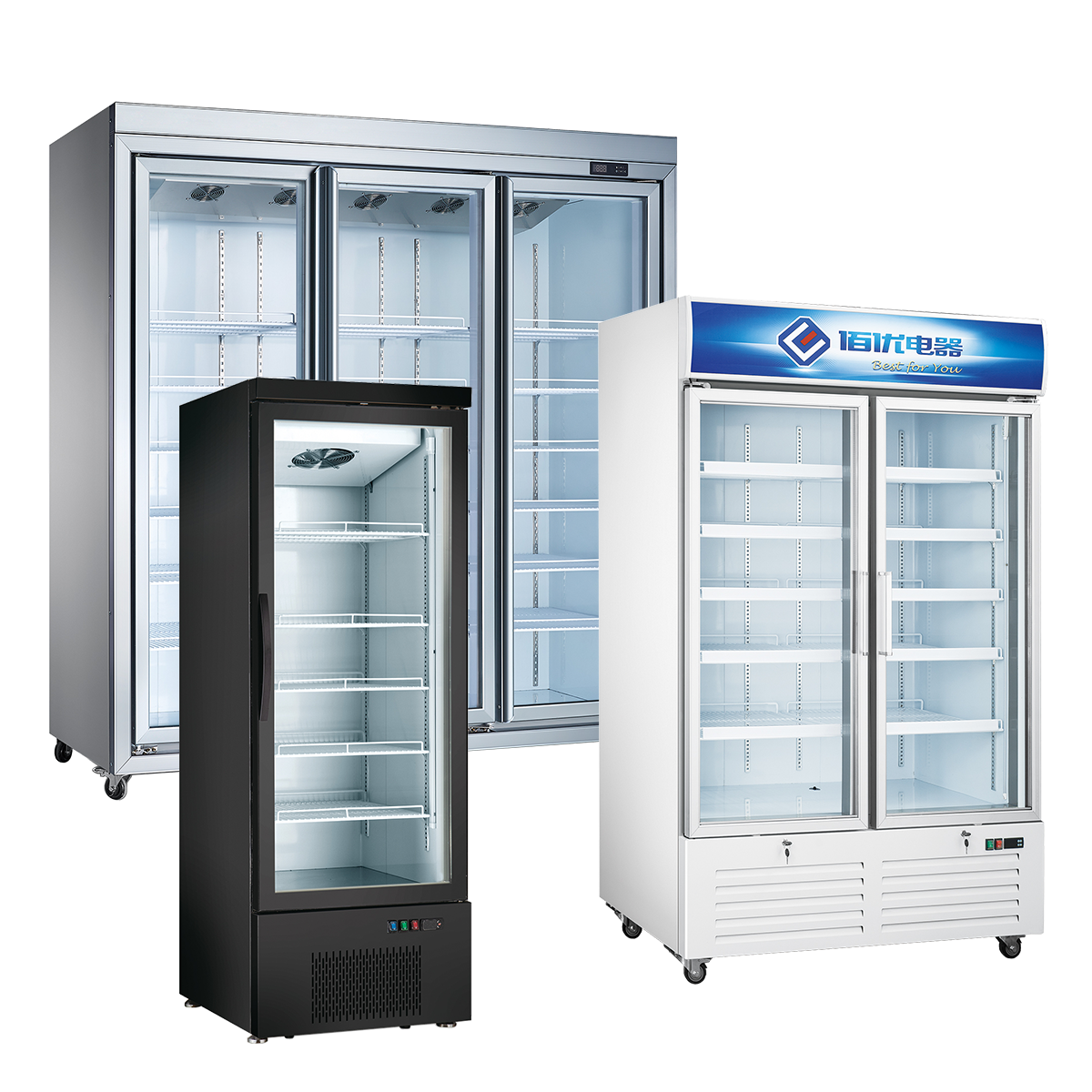
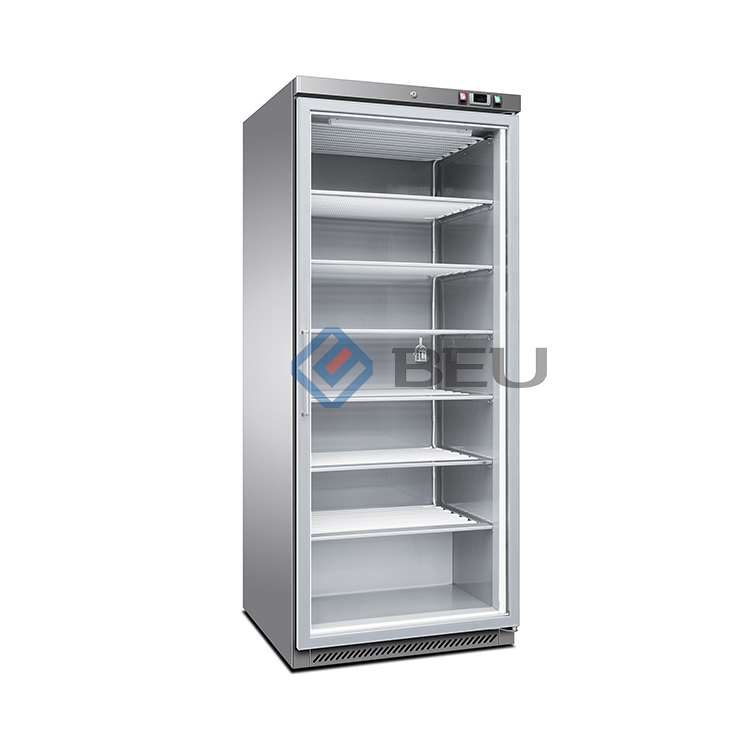
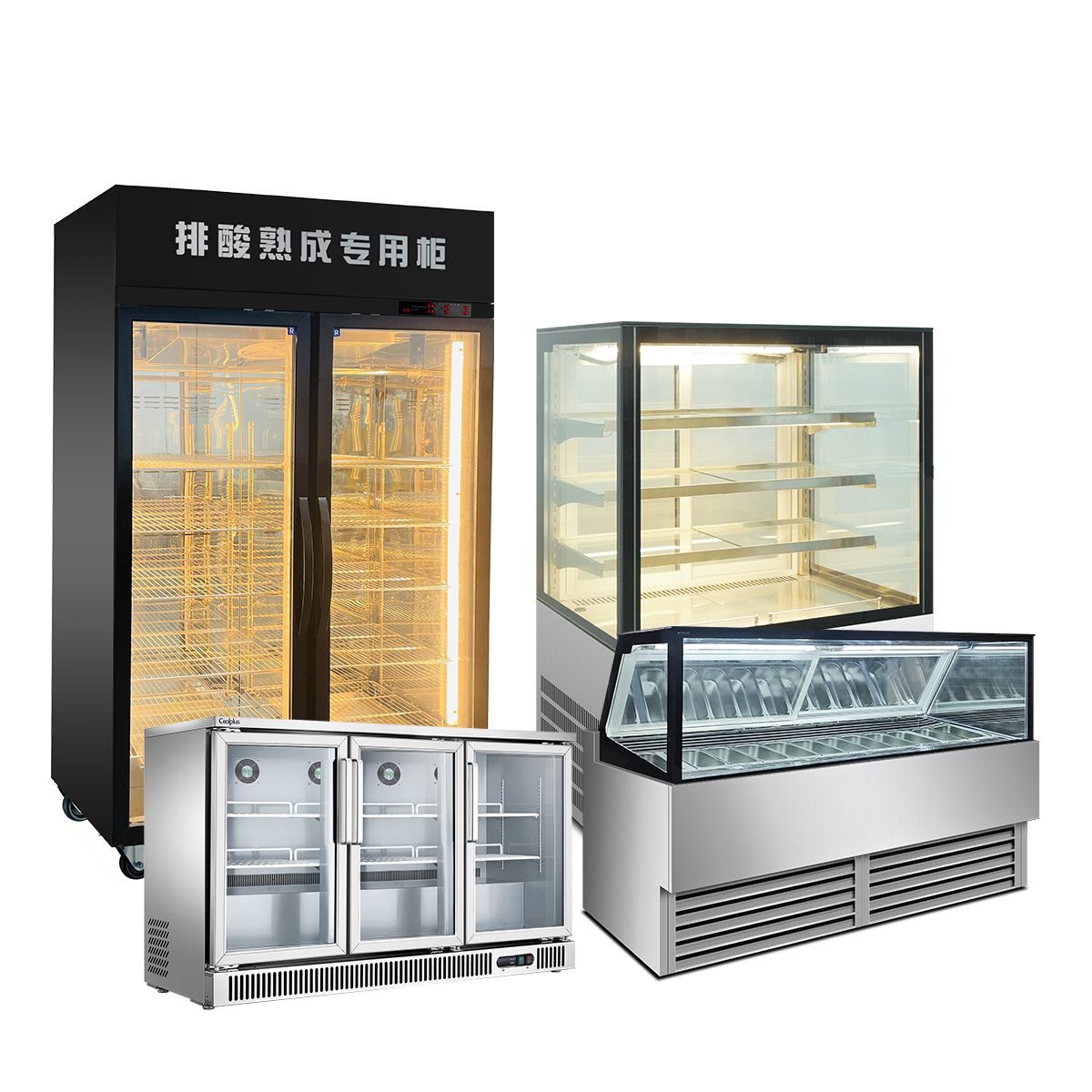
A reliable commercial glass door refrigerator manufacturer designs and builds commercial refrigerators with transparent doors for displaying chilled products while keeping them within specified operating conditions. For retailers, restaurants, and food-service operators, choosing the right manufacturer can help protect product quality, support merchandising, reduce downtime, and manage energy and maintenance costs.
In this guide, we explain how to assess BEU and other suppliers using practical performance criteria, documentation, standards, and service checks. The goal is to help buyers move from an initial specification to a confident purchasing decision.

Commercial refrigeration grew from basic cold-storage cabinets into purpose-built equipment for food retail, hospitality, and other businesses. As supermarkets and convenience stores expanded, operators needed cabinets that could both preserve chilled goods and display them clearly. Glass doors became a practical answer: customers can see products without opening the cabinet, while the closed-door design can limit cold-air loss compared with open display cases.
Today’s units combine insulated glazing, door frames, gaskets, hinges, LED lighting, evaporators, condensers, fans, and electronic temperature controls. A Commercial Refrigeration Equipment Manufacturer must coordinate these components as a system. A good-looking cabinet alone is not enough; reliable performance depends on design, assembly, testing, installation conditions, and after-sales support.
A commercial glass door refrigerator is a working asset, not simply a display fixture. In a grocery store, it can hold packaged beverages or dairy products; in a restaurant, it can make ingredients easy to identify; and in a hotel or convenience store, it can support self-service merchandising. The appropriate configuration depends on product type, ambient conditions, traffic, loading habits, and the business’s food-safety procedures.
A qualified Commercial Refrigeration Equipment Manufacturer should help match cabinet size, shelving, door configuration, refrigeration system, and controls to the use case. This matters because an undersized unit may struggle during busy periods, while an unsuitable layout can waste floor space or make restocking difficult.
When comparing a Commercial Refrigeration Equipment Manufacturer, assess evidence rather than relying on a brochure or a low quoted price. The following checks help reveal whether the supplier can deliver a complete, supportable refrigeration solution.
Ask for a written technical specification that states the cabinet dimensions, usable volume, refrigerant, rated electrical supply, temperature range, climate or ambient test conditions, door and glazing construction, lighting, control type, and intended application. Confirm whether the model is designed for your actual store conditions, including room temperature, ventilation clearance, door-opening frequency, and product loading.
Request clarification on net versus gross capacity and on whether performance figures apply to an empty cabinet or a defined product load. These details make supplier quotations easier to compare and help prevent mismatched expectations after delivery.
Temperature performance should be supported by a test method and recorded results. Ask how the manufacturer measures air temperature, how many sensors are used, where they are positioned, and how long the cabinet is stabilized before readings are taken. For a project acceptance plan, buyers may specify a defined operating test—for example, a 24-hour monitored run under agreed ambient and loading conditions—rather than treating that duration as a universal product guarantee.
Ask for temperature uniformity and recovery data where these are important to your operation. A displayed setpoint is not the same as proof that all usable areas remain within the required range. Food businesses should also follow applicable local food-safety rules and their own monitoring procedures.
Inspect the door assembly, frame, hinges, handles, seals, shelves, cabinet panels, and condensate management. Check that doors close consistently and gaskets make continuous contact. If a project depends on close-fitting components, request drawing tolerances for critical interfaces; a tolerance such as 0.01 mm should only be specified when the design and measurement method justify it, not treated as a universal refrigerator requirement.
Ask what inspections occur during production and at final assembly. A strong quality plan can include documented checks on electrical safety, refrigerant circuit integrity, door alignment, control operation, and final run performance. Buyers can request 100% inspection records for agreed critical items, while confirming exactly what is inspected, how it is measured, and what documentation is supplied.
Standards depend on the destination market, product design, and intended use. Ask the supplier to identify the specific editions and scope of any standards or certifications claimed. For example, UL 471 covers commercial refrigerators and freezers in applicable North American contexts; NSF/ANSI 7 addresses commercial refrigerators and freezers; and IEC 60335-2-89 addresses safety requirements for commercial refrigerating appliances within its scope. For insulating glass units, DIN EN 1279 is a relevant European series, while ASTM E2188, ASTM E2189, and ASTM E2190 address testing and durability evaluation of insulating glass units in their defined contexts.
These references do not automatically certify every commercial refrigerator or every glass door. Verify that documents apply to the exact model, market, and configuration being purchased. A credible Commercial Refrigeration Equipment Manufacturer should be able to explain which requirements apply and provide traceable supporting records where required.
Before placing an order, review warranty coverage for the compressor, refrigeration circuit, controls, doors, and other major components. Confirm exclusions, labor coverage, claim steps, and who is responsible for service in your region. Ask whether common spare parts are stocked and what the normal dispatch process is.
Response time is worth defining in writing. A buyer might request an acknowledgement within 24 hours as a service-level target, while recognizing that acknowledgement is not the same as a completed repair. Also clarify escalation procedures for temperature alarms, component failures, and equipment downtime.
Use the same questions with each Commercial Refrigeration Equipment Manufacturer so proposals can be compared on a like-for-like basis. When evaluating BEU, request model-specific answers and records rather than assuming that general product descriptions apply to every configuration.
They do not. Cabinet construction, glazing, door seals, airflow, refrigeration capacity, control strategy, and intended application can differ. Compare complete specifications and test conditions instead of choosing by external appearance alone.
Initial price is only one part of ownership cost. Energy use, maintenance access, parts availability, warranty terms, and expected service life can affect the total cost of ownership. Request comparable data and account for installation and operating requirements.
A standard reference is meaningful only when it applies to the exact product and market. Verify the model number, certification scope, report date, and any configuration limits. Standards for insulating glass, for example, do not by themselves establish the safety or refrigeration performance of the entire cabinet.
The display may show a control sensor reading, not the temperature at every product location. Ask for sensor placement details and temperature mapping where needed, and use operational monitoring appropriate to your business.
Consider a convenience store choosing a four-door beverage cabinet. Supplier One offers a lower price but provides only a nominal temperature range and a general warranty statement. Supplier Two provides a model-specific technical sheet, defined ambient test conditions, a final inspection checklist, a wiring diagram, and a written regional parts process. Supplier Two also agrees to acknowledge service requests within 24 hours, while stating that repair timing depends on diagnosis and parts availability.
The second proposal gives the buyer more information to assess risk, even before comparing price. The store should still confirm that the cabinet fits the site, meets local requirements, and performs under the expected loading and ambient conditions. This is a procurement example, not a claim about a specific BEU order or test result.
A capable commercial refrigerator manufacturer should remain involved through specification, production, delivery, commissioning guidance, and after-sales support. Treat these stages as one process, not separate purchasing tasks.
BEU is a name buyers may include when researching a Commercial Refrigeration Equipment Manufacturer. Apply the same evidence-based criteria to BEU that you would use for any supplier: request the exact model specification, relevant compliance documents, performance-test conditions, inspection records, warranty terms, and service arrangements for your market. This approach helps distinguish documented capabilities from assumptions and supports a more accountable purchasing decision.
For broader sourcing, compare BEU with other commercial refrigeration equipment manufacturers and glass door refrigerator suppliers using identical requirements. A manufacturer’s ability to answer technical questions clearly is useful, but the decision should ultimately rest on verifiable documents, product suitability, and support that can be confirmed for your location.
Before selecting BEU or another Commercial Refrigeration Equipment Manufacturer, prepare your application requirements and request model-specific evidence. A careful review can help protect products, reduce avoidable downtime, and make the refrigerator a more dependable part of daily business operations.

To visit Guangzhou BEU Electric Appliance Co., Ltd. (called as BEUEA below) website, you are agreeing the terms and conditions within this policy.
BEUEA respects your privacy and will protect your information remains confidential.
We will not lease, sell, or rent your information to the third party for their independent use under any circumstances.