 11/24 ,2026
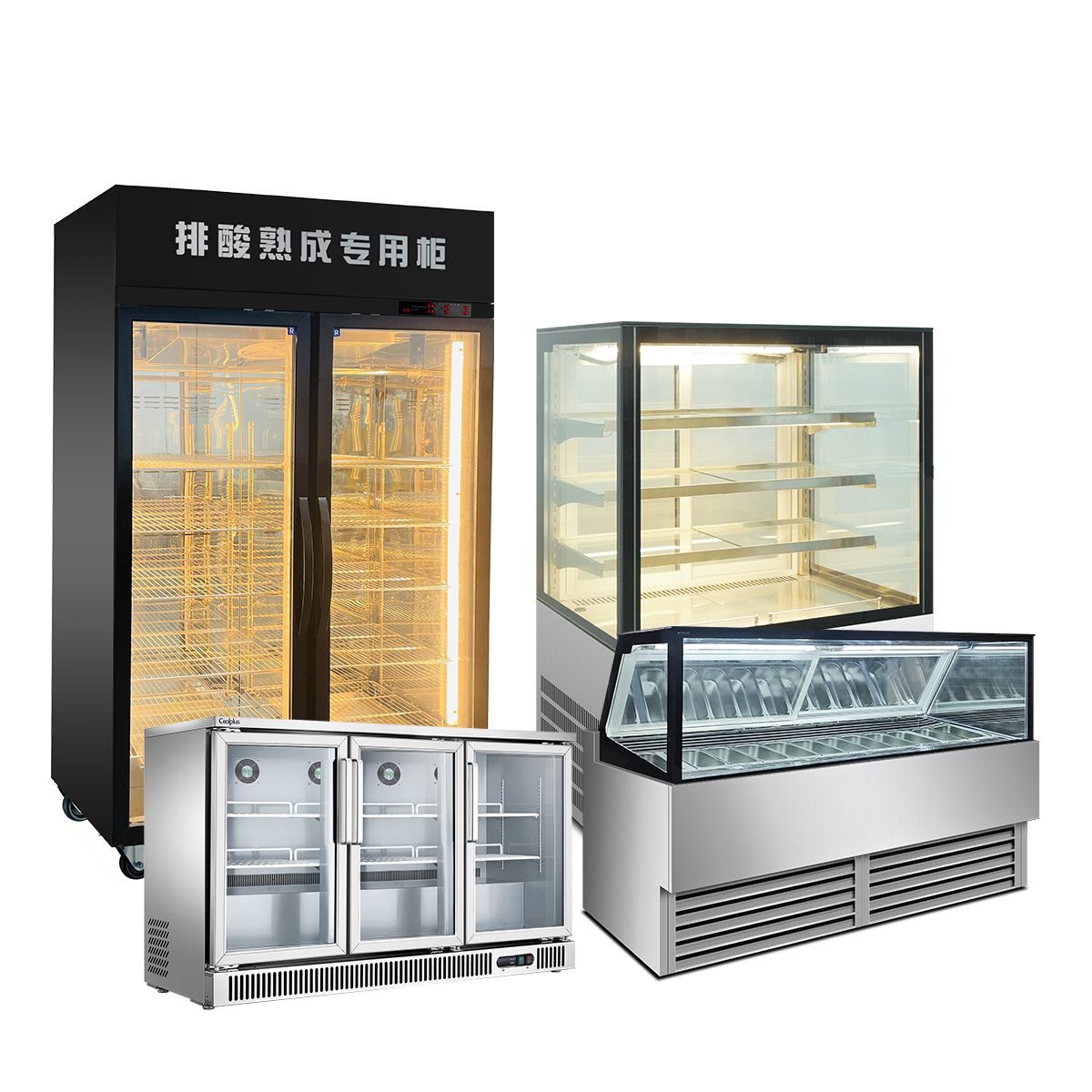
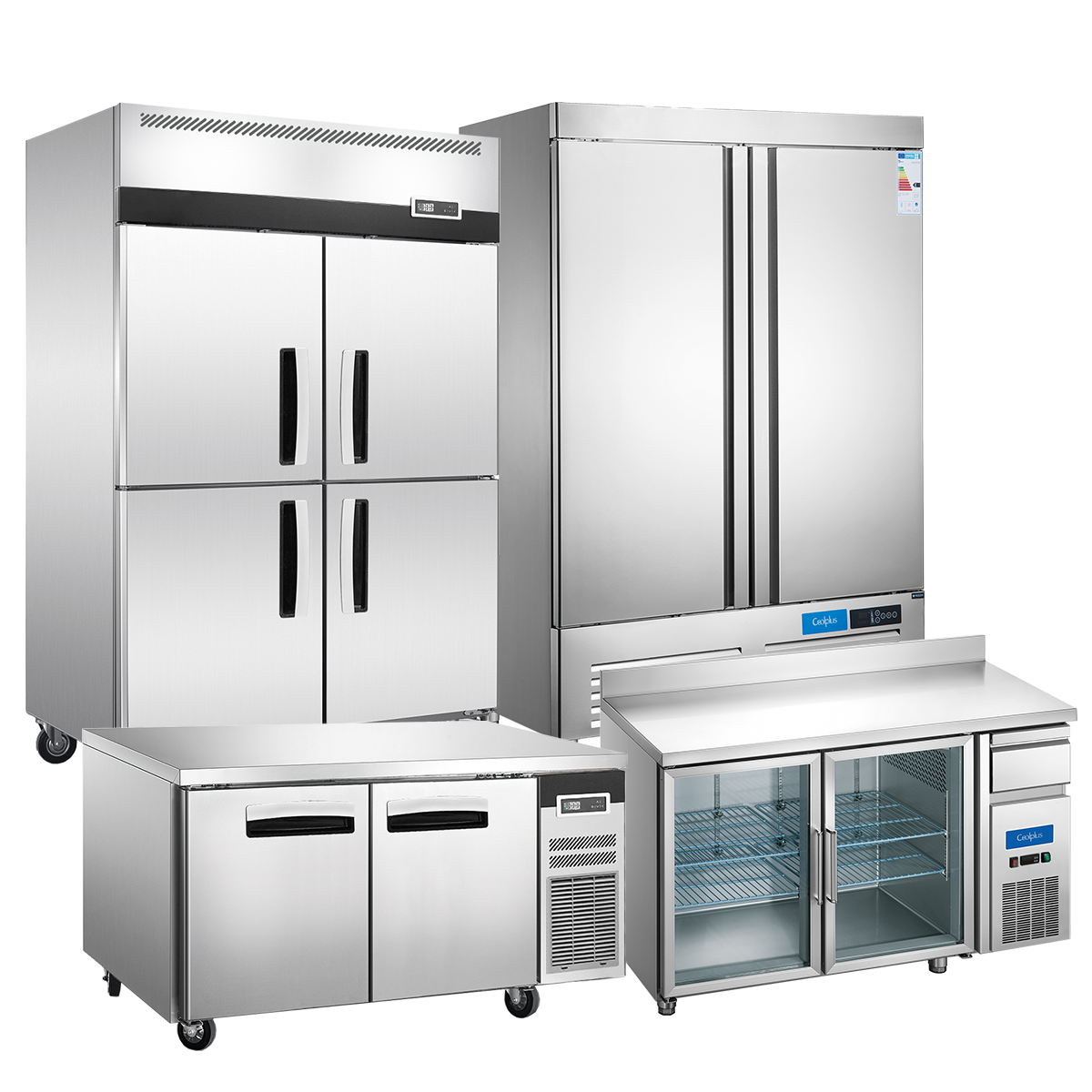
When a busy kitchen finds warm spots near the door, frozen products at the back, or slow temperature recovery after restocking, the problem may be airflow—not simply a failing thermostat. A Commercial Refrigeration Equipment Manufacturer can help assess commercial upright refrigerator airflow design, an energy-efficient commercial upright refrigerator setup, and commercial refrigerator temperature consistency. Good design coordinates the evaporator coil, fan-assisted cooling, and temperature recovery, while accounting for thermal stratification, the defrost cycle, and, in open-front cases, the air curtain.
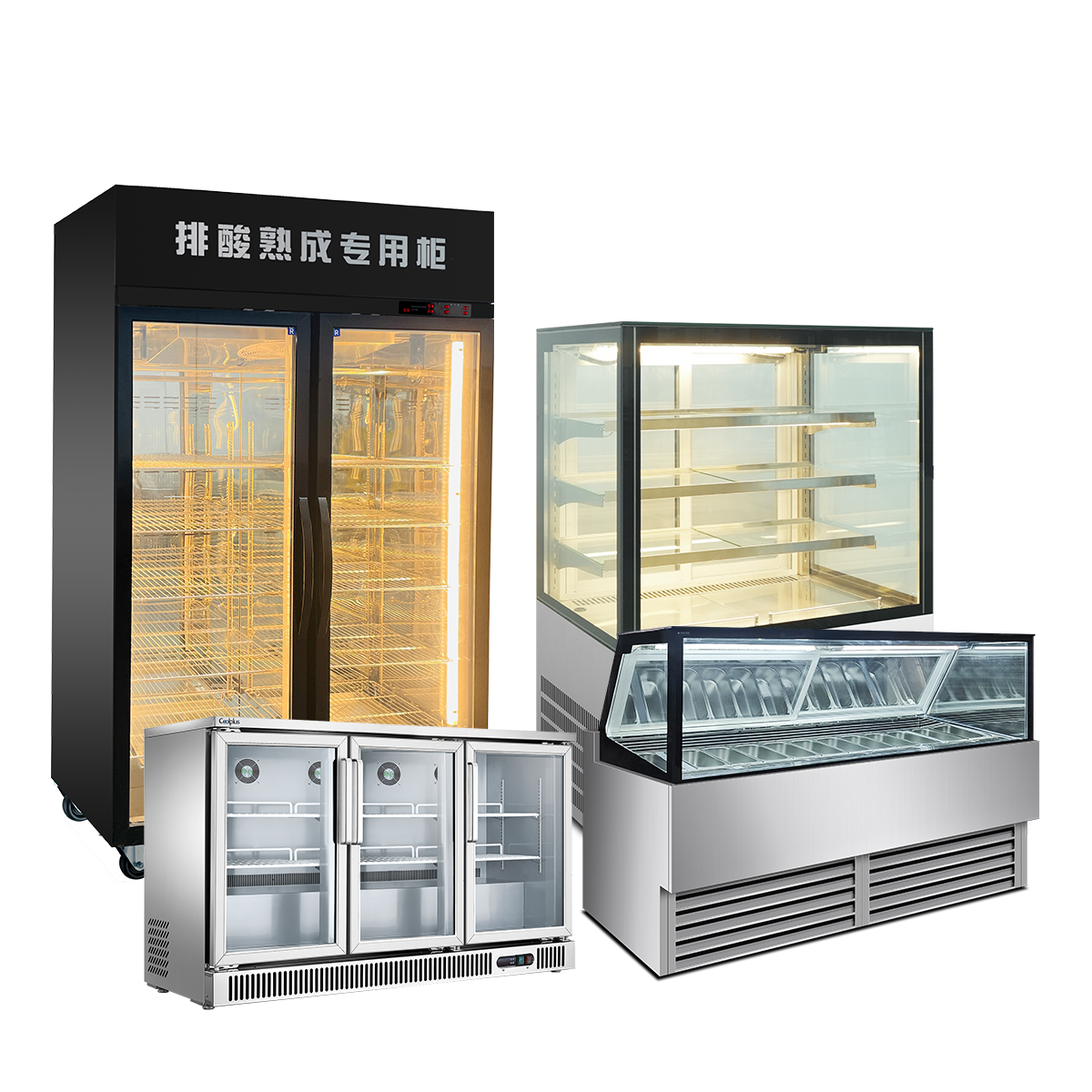
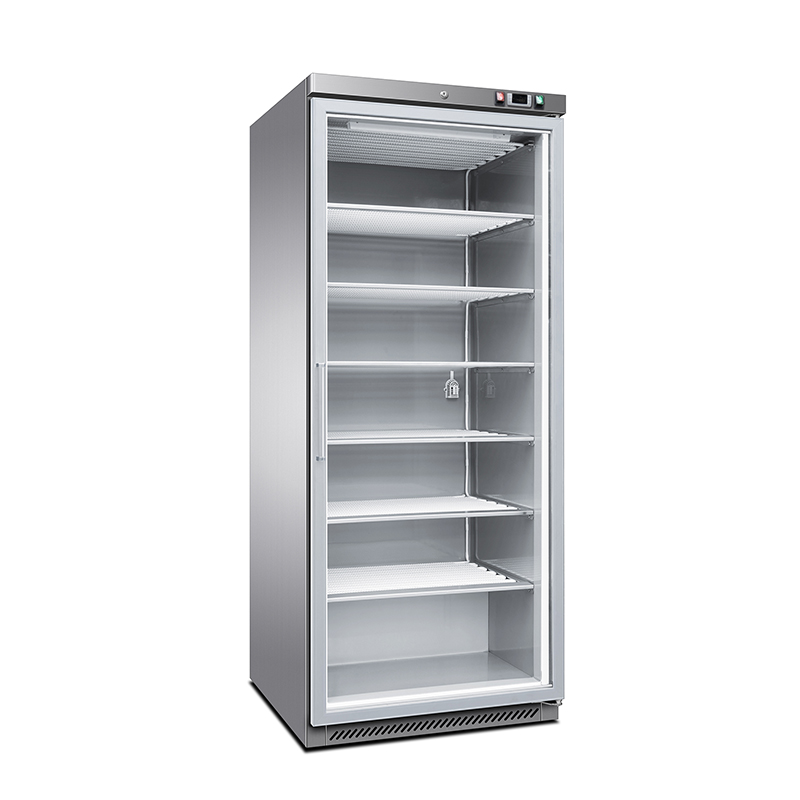
A commercial upright refrigerator moves heat out of the cabinet through a refrigeration system. Fans circulate cabinet air across the evaporator coil, where heat is removed, and then return cooled air to the storage space. The exact path varies by model, but the principle is consistent: air must be able to circulate rather than become trapped behind products or shelves.
If that circulation is restricted, some areas can cool more slowly than others. A sensor may report an acceptable air temperature while products in a crowded corner experience different conditions. Conversely, a sensor close to a cold supply outlet may not represent the temperature elsewhere in the cabinet. Airflow design therefore affects temperature distribution, recovery after the door is opened, and how reliably operators can protect stored products.
These are practical concerns, not just engineering details. In a restaurant, staff may load a refrigerator repeatedly during a service rush. In a grocery store, frequent door openings and tightly packed shelves can challenge temperature recovery. In either setting, the cabinet’s design and its day-to-day use work together.
Designers arrange fans, ducts, shelves, and return openings to guide air through the storage compartment and back to the cooling system. Supply outlets deliver cooled air; return grilles draw cabinet air back toward the evaporator. Blocking either path with cartons, liners, or oversized products can reduce circulation and create uneven temperatures.
Thermal stratification—the tendency for temperature to vary by location or height—can also occur when circulation is weak or cabinet conditions change. A well-planned layout aims to limit unwanted differences, but it cannot compensate for every loading pattern or for doors left open. Operators should follow the manufacturer’s loading instructions and keep air outlets and returns clear.
On a closed-door reach-in refrigerator, intact door gaskets help limit the exchange of warm, humid room air with cabinet air. A damaged seal or door that does not close fully increases the cooling load and can lengthen recovery. Open-front display refrigerators use an air curtain: a directed stream of air across the opening. That feature is specific to suitable open-front designs and should not be confused with the circulation pattern inside every upright refrigerator.
Room conditions matter as well. Installing equipment where its condenser cannot reject heat effectively, or where hot air is drawn back into the unit, can undermine performance. Maintain the clearances specified in the product documentation and avoid placing heat-producing equipment where it blows directly toward the refrigerator intake.
Effective airflow can support more even cooling, help the cabinet recover after normal access, and reduce unnecessary strain caused by obstructed circulation. The actual results depend on the model, ambient conditions, product load, door-opening pattern, and maintenance. Without model-specific test data, it would be misleading to promise a particular percentage of energy savings or a fixed recovery time.
Instead, establish a baseline and measure the outcomes that matter in your operation:
For U.S. food-service operations, the FDA Food Code provides a model framework that jurisdictions adopt or modify; local requirements determine the applicable cold-holding rules. NSF/ANSI 7 addresses commercial refrigerators and freezers, while the U.S. Department of Energy’s regulations include test procedures for covered commercial refrigeration equipment. These sources serve different purposes, so operators should confirm which rules and certifications apply to their equipment and location rather than treating one standard as a substitute for another.
With an obstructed cabinet, cooled air may short-circuit back to the return without reaching all stored products, or it may struggle to pass through densely packed shelves. The operator may respond by lowering the set point, but that does not necessarily correct the underlying distribution issue and can increase energy use or create colder zones.
With clear supply and return paths, appropriate loading, and sound door seals, the refrigeration system has a better chance to circulate air as designed. That does not mean every cabinet will hold identical temperatures in every location; it means the equipment can operate under the conditions its manufacturer specified. Comparing measured temperatures and energy use before and after a change is more useful than relying on impressions such as “colder” or “faster.”
Start with the simple checks permitted by the operating manual. Confirm that products are not pressed against supply outlets or return grilles, that shelves are loaded within the marked limits, and that doors close fully. Look for torn or dirty gaskets and remove dust or debris from accessible areas according to the manufacturer’s instructions. Do not dismantle electrical or refrigeration components unless qualified to do so.
Next, review the temperature display against a suitable independent measurement method. Take readings at more than one representative location and allow for the measurement method’s response time. Keep a simple log with dates, readings, loading conditions, and unusual door activity. This helps distinguish a recurring airflow or usage issue from a one-time event.
Frost on an evaporator can interfere with heat transfer and airflow, but frost or water seen during a normal defrost cycle does not by itself prove a fault. Defrost controls, timing, and drainage vary by model. If icing returns quickly, temperatures remain outside the required range, alarms persist, or the fan makes unusual noise, follow the manual’s guidance and contact a qualified refrigeration technician.
During service, a technician can inspect the fan, evaporator, condenser, drain, controls, and door seals, then assess whether the cabinet is operating as intended. Keep records of repairs and repeat the same temperature and energy checks afterward. BEU can be included in a procurement or equipment discussion, but buyers should confirm the specifications, installation requirements, service coverage, and applicable certifications for the particular model before making a decision.
Before purchasing, describe the real operating conditions: the products stored, expected loading pattern, room temperature, frequency of access, available installation space, and local food-safety obligations. Ask the supplier to explain the supply and return path, recommended shelf loading, temperature measurement locations, defrost behavior, and required service clearances. Request model-specific performance documentation where available, and compare like-for-like test conditions rather than relying on a single headline figure.
For an existing cabinet, the same questions create a useful troubleshooting sequence: check loading and openings, verify seals and clearances, document temperatures, and escalate persistent problems for professional diagnosis. This process helps operators address the cause instead of masking uneven cooling with a lower set point.
Airflow design connects cabinet layout, fan and evaporator operation, product loading, door condition, and maintenance. When those elements work together, operators have a stronger basis for consistent product storage and measurable performance checks. When they do not, blocked circulation can contribute to uneven temperatures and avoidable operating problems.
Whether you are troubleshooting an existing unit or comparing new equipment, begin with the manufacturer’s instructions, measure conditions across the cabinet, and verify local requirements. Speak with a qualified supplier or service professional—including BEU when evaluating its relevant offerings—and ask for model-specific evidence before deciding. A careful review of airflow, temperature recovery, and the defrost cycle is a practical step toward reliable commercial refrigeration.

To visit Guangzhou BEU Electric Appliance Co., Ltd. (called as BEUEA below) website, you are agreeing the terms and conditions within this policy.
BEUEA respects your privacy and will protect your information remains confidential.
We will not lease, sell, or rent your information to the third party for their independent use under any circumstances.