 11/26 ,2026
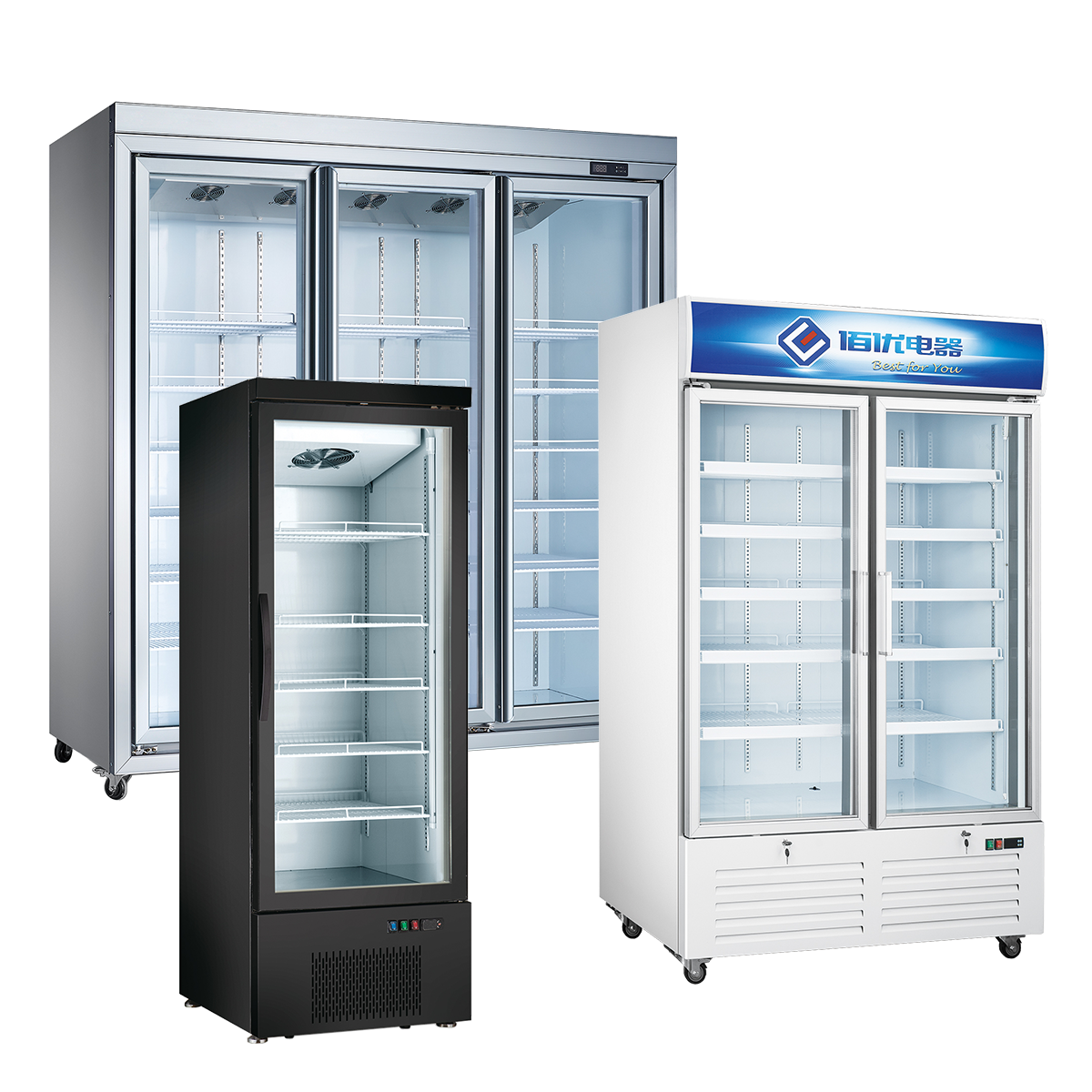
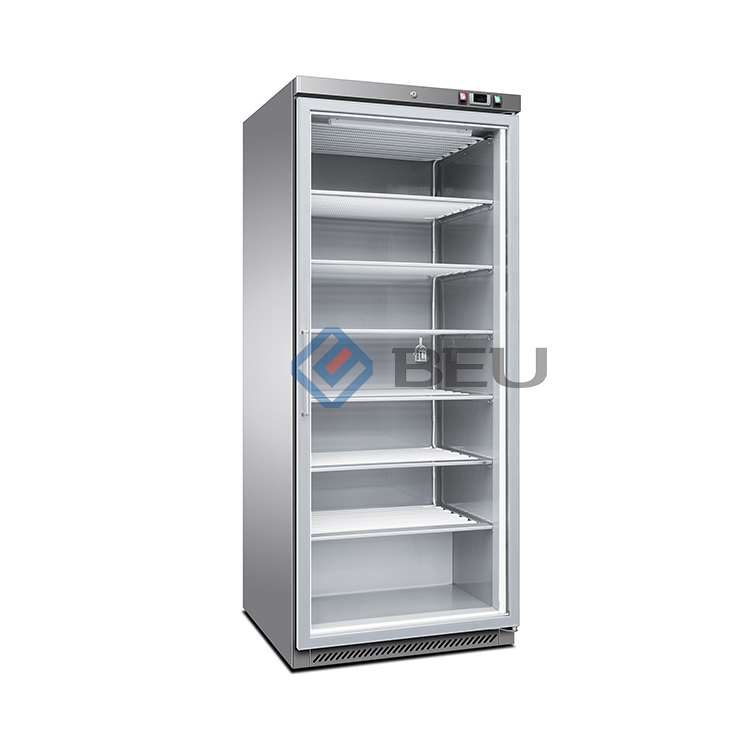
A refrigerator failure in a commercial kitchen is rarely just an equipment problem. If food temperatures rise, a business may have to discard inventory, pause service, document corrective action, and address food-safety concerns—all while staff scramble to find storage space. The underlying issue is often a mismatch between the demands of daily kitchen operations and the refrigerator’s construction, capacity, airflow, or maintenance requirements. Choosing a durable stainless steel commercial upright refrigerator from BEU can help reduce avoidable risks, but only when its specifications match the kitchen, local regulations, and service plan.
We’ll explain why stainless steel is widely used in professional foodservice, what to check before buying, and how to compare suppliers without relying on unsupported performance claims. If you’re searching for Why Stainless Steel Upright Refrigerators Are Preferred by Commercial Kitchens, the practical answer is a combination of cleanability, operational resilience, efficient access, and verifiable technical specifications.

Commercial kitchens expose refrigeration equipment to moisture, grease, cleaning chemicals, frequent door openings, cart impacts, and high ambient temperatures. Stainless steel is preferred because a properly selected and maintained stainless surface is durable, corrosion-resistant, and straightforward to clean. Its smooth finish can also help teams maintain consistent cleaning routines around food storage areas.
These advantages depend on the material grade, fabrication, finish, weld quality, and cleaning method—not simply on a “stainless steel” label. Ask the supplier to identify the grade used for the cabinet and explain which surfaces are stainless. For material documentation, buyers may request information aligned with ASTM A240/A240M, a specification covering chromium and chromium-nickel stainless steel plate, sheet, and strip. The standard does not, by itself, establish that a finished refrigerator is suitable for every kitchen or certified to a food-equipment standard.
Material choice matters, but it is only one part of refrigeration performance. Temperature excursions and premature repairs often stem from several connected causes:
These factors explain why buyers should evaluate a refrigerator as part of a complete cold-chain workflow. A Commercial Refrigeration Equipment Manufacturer should be able to explain product configuration, operating conditions, documentation, and service support—not just quote cabinet dimensions.
Reliable cold storage supports more than food preservation. It affects menu availability, labor planning, purchasing, food waste, and the speed of service. A well-organized upright model can reduce unnecessary searching and make stock rotation easier. A poorly selected model can create bottlenecks, force staff to overfill shelves, and increase the chance that items are stored outside the intended temperature zone.
For U.S. operators, the FDA Food Code uses 41°F (5°C) or below as the cold-holding limit for many time/temperature control for safety foods; local adoption and requirements can vary. A cabinet’s display reading is not a substitute for a documented food-safety monitoring procedure. Operators should use suitable calibrated instruments, follow local rules, and verify product temperatures under real operating conditions.
Consider a kitchen that loses $450 of refrigerated inventory each week because of avoidable temperature problems, poor stock rotation, or equipment downtime. That equals $23,400 per year before accounting for labor, emergency service, or missed sales. This is a simple illustration, not a forecast: actual losses depend on inventory value, failure frequency, operating practices, and recovery time. Tracking discarded product and service calls gives a buyer a more useful baseline than comparing purchase prices alone.
| What to measure | Why it matters | Practical starting point |
|---|---|---|
| Product temperature | Shows whether food is being held as required | Record readings at a frequency set by your food-safety plan; use calibrated equipment |
| Door and gasket condition | Helps identify warm-air infiltration | Inspect during routine cleaning and report damage promptly |
| Inventory loss | Connects refrigeration problems to operating costs | Log discarded stock and the reason for disposal |
| Service response | Helps estimate downtime exposure | Agree on a documented response target, such as an initial reply within 24 hours |
When comparing BEU with another Commercial Refrigeration Equipment Manufacturer, request evidence that relates to your application. Do not assume every model has identical materials, certifications, temperature ranges, or warranty coverage. We recommend confirming the following details in writing:
Where stainless surfaces require passivation, ask the supplier which process and acceptance criteria apply. ASTM A967/A967M covers chemical passivation treatments for stainless steel parts; its relevance depends on the component and process. Always confirm the exact scope of any claimed standard, certification, or inspection with the supplier and the authority having jurisdiction.
A Commercial Refrigeration Equipment Manufacturer should help buyers clarify specification gaps before purchase. That includes checking door swing and aisle clearance, expected loading, site ventilation, voltage, drainage needs, and the kitchen’s cleaning routine. Clear answers reduce the risk of ordering a unit that fits the floor plan but fails the workflow.
BEU buyers can use the same disciplined process: share the intended application, ask for the model-specific technical sheet, and request written confirmation of materials, standards, warranty, and available service. A dependable Commercial Refrigeration Equipment Manufacturer provides verifiable documents rather than asking customers to rely on broad claims. This is especially important for kitchens that operate multiple shifts or have limited backup storage.
Neglecting refrigeration issues can turn a manageable maintenance task into an operational disruption. A failing gasket or dirty condenser may initially seem minor, but continued operation can contribute to temperature instability, increased energy use, avoidable service calls, and shortened component life. If food is held outside required limits, the operator may also face product disposal and food-safety consequences under applicable rules.
Business needs change, too. A new menu, higher delivery volume, longer opening hours, or a second service period can push an older or undersized unit beyond its original workload. Reassess storage capacity and operating conditions whenever the kitchen changes. Do not wait for a breakdown to discover that the refrigerator cannot support the new demand.
Stainless steel is preferred in commercial kitchens because it combines a practical cleanable surface with durability and a professional finish. The best result comes from pairing suitable construction with correct capacity, unobstructed airflow, routine maintenance, temperature monitoring, and responsive support. A BEU Commercial upright refrigerator may be a suitable option when its model-specific specifications and certifications match your requirements.
Before placing an order, document your storage needs, verify the applicable food-safety and equipment requirements, and compare written technical information from each Commercial Refrigeration Equipment Manufacturer. Ask for evidence, clarify service expectations, and plan maintenance from day one. Taking these steps can help protect inventory, keep service moving, and make your commercial refrigeration investment more dependable over its working life.
To visit Guangzhou BEU Electric Appliance Co., Ltd. (called as BEUEA below) website, you are agreeing the terms and conditions within this policy.
BEUEA respects your privacy and will protect your information remains confidential.
We will not lease, sell, or rent your information to the third party for their independent use under any circumstances.