Building a successful bakery requires more than just financial investment in equipment; it's the cornerstone of store capacity, product consistency, and long-term operating costs. A scientific bakery equipment solution necessitates systematic planning across multiple dimensions, including core production, cold chain logistics, intelligent upgrades, and supplier selection.
Building a successful bakery requires more than just financial investment in equipment; it's the cornerstone of store capacity, product consistency, and long-term operating costs. A scientific bakery equipment solution necessitates systematic planning across multiple dimensions, including core production, cold chain logistics, intelligent upgrades, and supplier selection.
The baking production area is the heart of the store, and the equipment needs to cover the entire closed loop from dough handling to baking.
1. Dough Processing and Shaping Equipment : The dough mixer is the core component. Commercial-grade equipment should be selected based on the store's production capacity to ensure uniform gluten formation and stable operation. For puff pastry products, a professional puff pastry machine is required. For specific product categories, a tabletop shaping and baking machine, such as a double-headed mini donut oven, can be introduced to enable immediate production and sales, improving service efficiency.
2. Fermentation and Baking Equipment: The proofing box needs to provide precise temperature and humidity control to ensure consistent dough fermentation. The choice of oven should match the product line. For example, a three-tiered baking oven with fire-resistant baking stones and an external steam system can be configured to ensure a crispy crust and a moist interior for European breads. For chain brands or central kitchens, convection ovens can provide more even batch baking results.
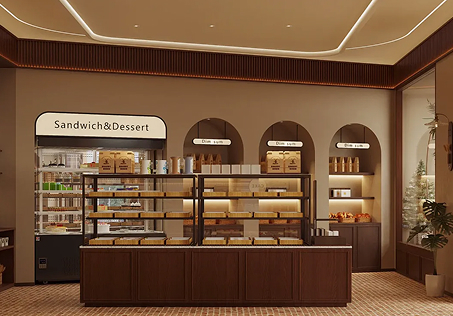
The cold chain equipment in the front hall directly determines the product display effect and loss rate.
1. Front-of-house display : Island-style refrigerators or dessert display cases optimized for the baking industry are recommended . These devices typically feature a constant temperature defrost design, which minimizes temperature fluctuations caused by frequent door openings by customers, maintaining food quality and reducing spoilage.
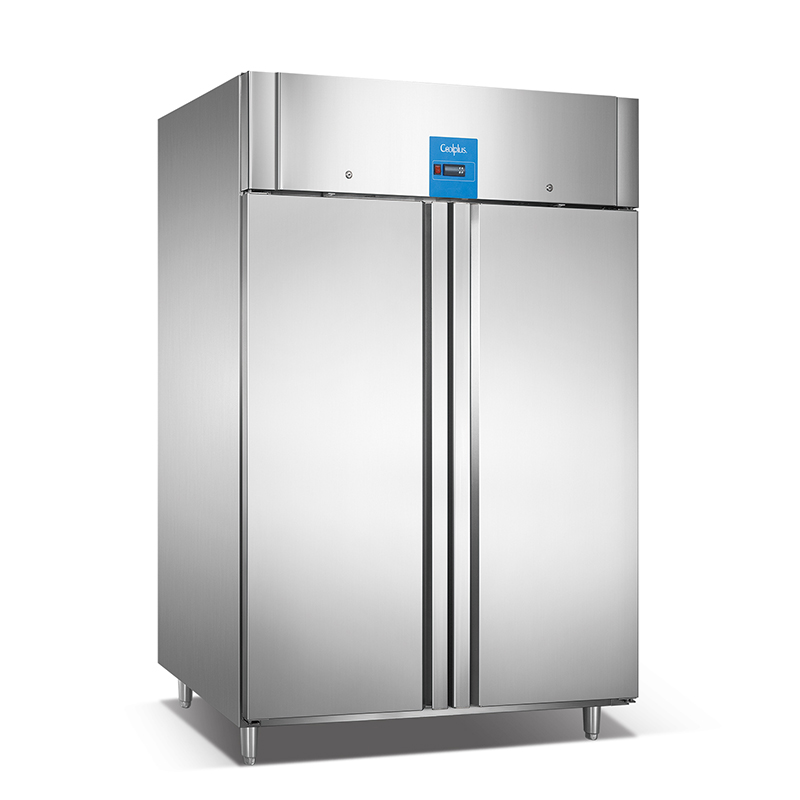
2. Kitchen Storage: Equip the kitchen with refrigerated worktables, frozen dough display cases, and tray storage cabinets to enable convenient storage and rapid turnover of ingredients. For bulk ingredients (such as butter and cream), small cold storage or freezer storage facilities should be planned.
Modern baking equipment is shifting from "experience-driven" to "technology-driven," and the introduction of new technologies can effectively reduce costs and increase efficiency.
1. Internet of Things and Intelligent Monitoring : By adopting an Internet of Things baking system, parameters from dough mixing and proofing to baking can be digitally managed. The system can even be copied between different stores with one click via USB program templates, which greatly reduces the reliance on human experience and improves the efficiency of new product launches and store expansion.
2. Energy-saving and environmentally friendly materials : In cold chain and baking equipment, priority is given to models that use R290 environmentally friendly hydrocarbon refrigerant and variable frequency compressors. In addition, cutting-edge heat insulation technologies (such as elastic ceramic nanofiber aerogel) have been applied to baking equipment, which can not only reduce overall energy consumption by 15%-30%, but also achieve a uniform heat field and accurately lock in the aroma of the product.
Equipment procurement should not only focus on the initial price, but also pay attention to the total life cycle cost (TCO) and long-term service guarantees.
1. Professional Manufacturers: These include source manufacturers with "High-Tech Enterprise" qualifications, eliminating intermediaries and ensuring transparent pricing. These manufacturers typically offer a wide product range, providing full-scenario coverage from single stores to central factories, and provide rapid after-sales response, making them suitable for startups or medium-sized chain brands seeking high cost-performance.
2. Brand Distributors: For high-end boutique bakeries or star-rated hotels with extremely high requirements for product consistency, imported equipment (such as German or Japanese brands) has advantages in terms of process stability, safety compliance, and life-cycle costs. It is recommended to purchase from reputable domestic distributors with well-established spare parts inventories and localized after-sales service systems to reduce subsequent maintenance risks.
3. Local engineering service providers: For non-standard needs such as kitchen layout planning, smoke and drainage, you can rely on local professional commercial kitchen engineering providers, who can provide one-stop solutions from equipment selection and space customization to installation and maintenance.
Through the above-mentioned systematic equipment configuration and technology upgrades, bakeries can not only ensure efficient daily operation, but also transform equipment into long-term assets that enhance brand premium and store profitability.
Baking refrigeration equipment is an indispensable part of the baking industry, mainly used for the refrigeration, preservation, and freezing of various ingredients to ensure food safety, extend shelf life, and improve kitchen operational efficiency. BEUEA specializes in providing bakeries with all the necessary baking refrigeration equipment, including various standard and customized refrigeration systems, and focuses on solving the following industry pain points.
The baking industry is extremely sensitive to temperature and humidity, and refrigeration equipment is used throughout the entire process, from production cooling and warehousing preservation to front-of-house display. Currently, the baking industry's refrigeration equipment mainly faces the following four core pain points:
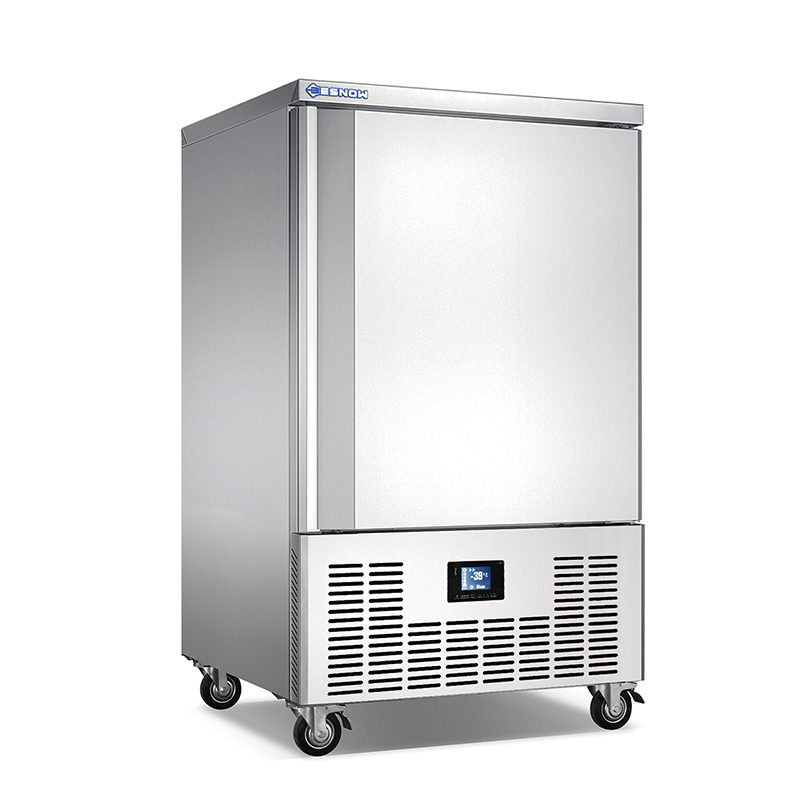
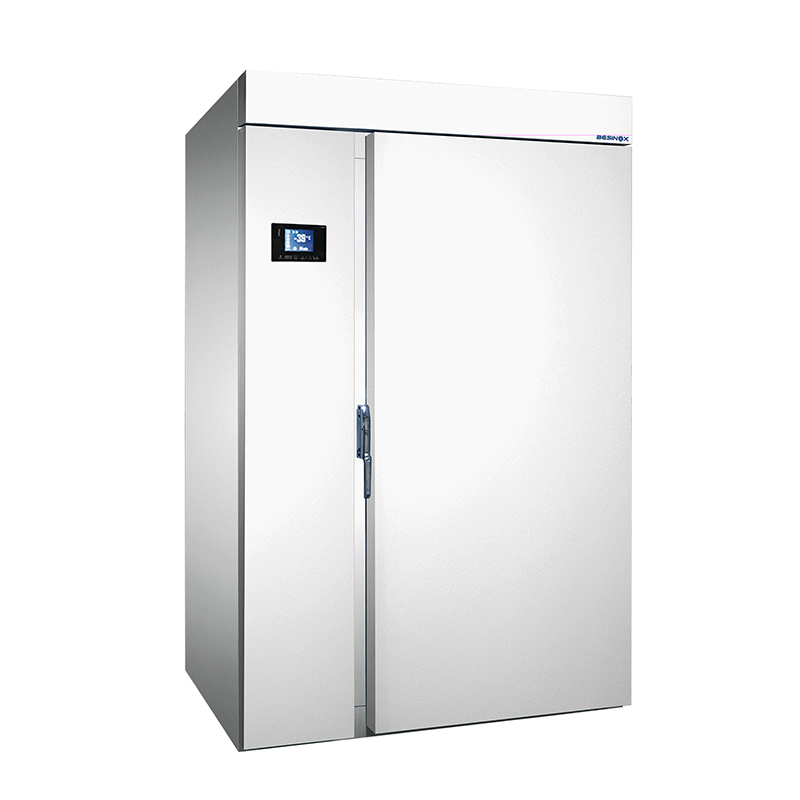
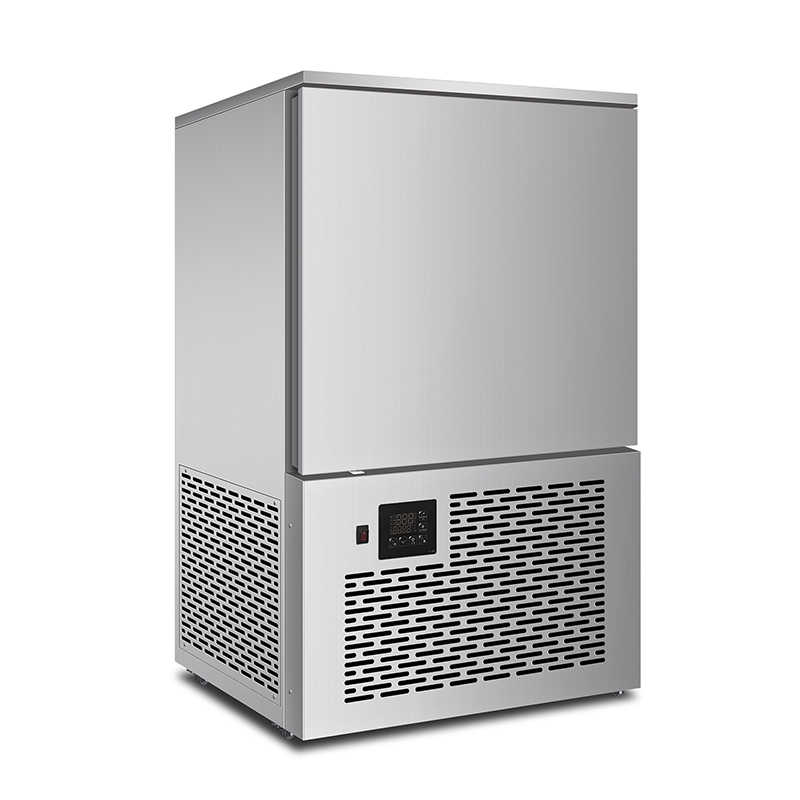
Baked goods (such as bread and cakes) reach temperatures as high as 160-180℃ when they come out of the oven. If the cooling rate is too slow or uneven, quality problems can easily occur.
Frozen dough, butter, cream, and other core ingredients have extremely strict requirements for temperature and humidity.
The front-of-house display cases face customers directly, and their cooling effect directly affects the customer experience and food spoilage.
In summary, the pain points of refrigeration equipment in the baking industry lie not only in "cooling" itself, but also in how to achieve precise temperature control, energy saving, and food safety. To address these pain points, the industry is gradually upgrading its technology towards variable frequency energy saving, constant temperature defrosting, and intelligent temperature and humidity monitoring.
BEUEA’s customization capabilities for commercial kitchen freezers include:
·Special product dimensions;
·Special product shape;
·Special temperature and humidity;
Energy conservation and environmental protection;
To visit Guangzhou BEU Electric Appliance Co., Ltd. (called as BEUEA below) website, you are agreeing the terms and conditions within this policy.
BEUEA respects your privacy and will protect your information remains confidential.
We will not lease, sell, or rent your information to the third party for their independent use under any circumstances.