The core of configuring refrigeration equipment for bars and restaurants lies in balancing food safety compliance, food / drink serving efficiency, and operating costs. Based on your previous focus on the technical details of refrigeration equipment, the following is a professional equipment configuration plan outlined from three dimensions: compliant storage in the kitchen, efficient food serving at the bar, and temperature control and energy management.
·The equipment in this area primarily meets the stringent requirements of food safety regulations regarding the separation of raw and cooked foods and temperature monitoring.
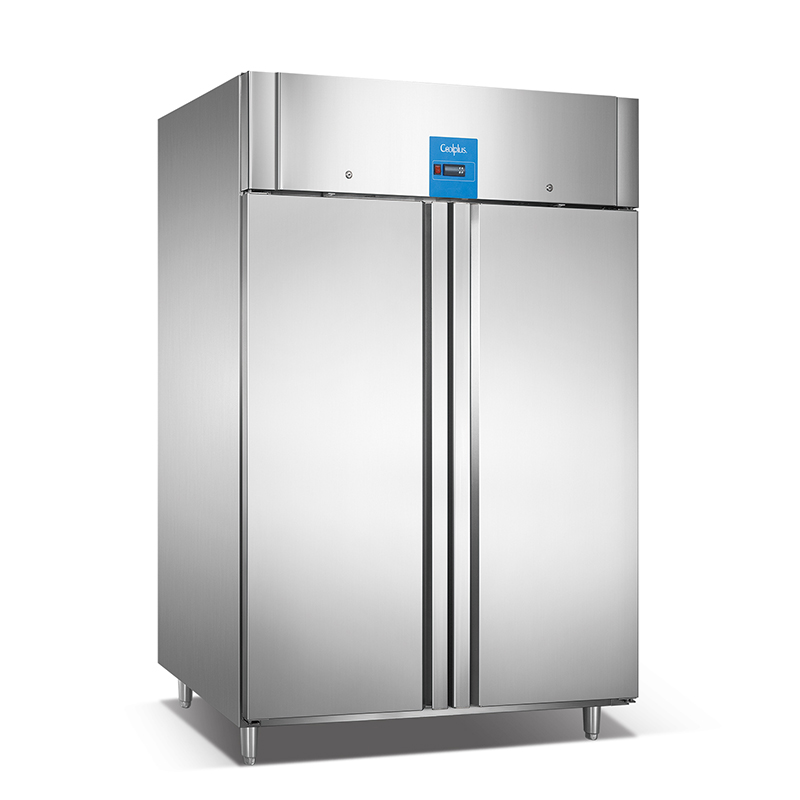
·Commercial refrigerated/frozen display cases (vertical or horizontal): used for storing bulk food items . According to the "Food Safety Operation Standards for Catering Services," refrigeration temperatures must be maintained between 0-8℃, and freezing temperatures must be below -18℃.
·Dual-temperature zone freezer: It is recommended to configure a refrigeration zone (0-4℃) for storing food items that will be used on the same day, and a freezing zone (-18℃) for storing meat.
·Independent digital thermometer: This is a key point in food safety inspections. It is recommended to select a digital thermometer with an accuracy of at least ±0.5℃ for daily verification of whether the temperature displayed on the device matches the actual temperature, ensuring the safety of food storage .
The cooling equipment in the bar area is directly related to service efficiency and customer experience, and needs to be optimized for high-frequency use and rapid cooling.
·Refrigerated workbench (undermount refrigerator): The core equipment of the bar. The upper level is a stainless steel work surface, and the lower level is a refrigerator. Bartenders or chefs can easily access beverages, fruits, or side dishes, greatly improving food preparation efficiency.
·Bottled beverage display coolers: Used for storing bottled beer, soft drinks, or displaying alcoholic beverages. Air-cooled circulation technology ensures uniform temperature inside the case, avoiding temperature fluctuations caused by frequent door opening and closing, while also providing excellent visual marketing effects.
·Commercial ice makers: a necessity for bars and beverage shops. It is recommended to choose models with production capacity matching customer flow (e.g., more than 100kg per day) to ensure an uninterrupted supply of ice during peak periods.
·Beer dispensers and barrel coolers: standard equipment in craft breweries or beer houses. These fixed refrigeration units efficiently provide guests with chilled beer at the perfect temperature, avoiding temperature fluctuations and flavor loss caused by frequent opening and closing of the refrigerator.
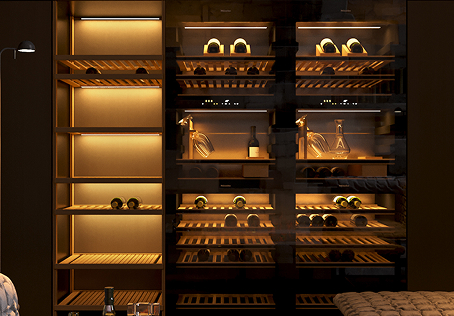
·High-end wine and champagne display coolers:For high-end wines, whether for long-term aging or short-term consumption, the stability of the refrigeration system is the core barrier.
·Precise temperature and humidity control:
Wine coolers typically require a dual-temperature zone design (e.g., adjustable from 5-20℃) to accommodate the different optimal drinking temperatures for red and white wines. High-end models will control single-point temperature fluctuations within ±0.3℃ and maintain humidity within the golden range of 50%-70% to prevent corks from drying out or becoming moldy.
Champagne cabinet: Champagne has stricter requirements for serving temperature, usually requiring precise temperature control between 5-12℃ in a single temperature zone to ensure the smoothness of the bubbles and the best release of flavor.
·Shock absorption and light shielding system:
Compressor vibration damping: Long-term aging requires an environment with extremely low vibration. Professional wine cabinets use suspended compressors or vibration damping pads to prevent vibration from disturbing the sediment in the wine.
UV-protected glass: Usually made of double or triple-glazed tempered glass with Low-E coating or brown coating, which can effectively block ultraviolet and visible light from damaging the organic compounds in the wine.
·Air ducts and air circulation:
Employing a waterfall-style vertical air-cooling or 3D warm-light air circulation system, it ensures uniform temperature in every corner of the cabinet while preventing cold air from blowing directly onto the wine labels. Some models also include a built-in activated carbon filter to absorb odors and maintain a pure wine storage environment.
Salad display case: mainly for displaying and showcasing various types of finished salads or ingredients, fruits, etc.
Dessert and sushi display cooler: Ice cream display cases, cake and mousse display cases, sushi display cases
Specialty meat display cooler: Commercial beef aging display cases, roast meat drying display cases, fresh meat hanging display cases.
Beverage machines: slush machines, hot and cold beverage machines, juicers, carbonated beverage machines, etc.
From the perspective of refrigeration technology, the rational selection of refrigeration methods and temperature control systems can significantly reduce long-term operating costs.
·Selection of refrigeration method:
Air-cooled (forced circulation): Suitable for beverage cabinets and display cases. It cools down quickly, provides uniform temperature, and prevents frost, but its energy consumption is relatively high.
Direct cooling: Suitable for kitchen storage cabinets. It has a simple structure, low energy consumption, and good moisture retention, but requires regular manual defrosting.
Water-cooled/air-cooled integrated unit: In bar draft beer equipment, water-cooled or air-cooled integrated units can achieve rapid cooling to meet the continuous beer dispensing needs of high-traffic scenarios such as night markets and food stalls.
·Temperature control and automation:
Microcomputer temperature control and automatic defrosting: For commercial equipment, it is recommended to choose a temperature controller with a microcomputer LCD display, which supports precise temperature adjustment and automatic defrosting (such as defrosting once every 2 hours), which can significantly reduce manual maintenance costs.
Variable frequency compressors: High-end models typically use variable frequency technology, which can automatically adjust the power according to the actual heat load and automatically enter energy-saving mode at night or during periods of low passenger flow.
Strict separation of raw and cooked foods: Raw and cooked foods must be stored separately in the kitchen refrigerator to avoid cross-contamination. It is recommended to use physical partitions or clear color markings to distinguish them.
Reserve space for heat dissipation: Commercial refrigeration equipment generates a lot of heat. When installing, be sure to reserve at least 60cm of heat dissipation and maintenance passage at the back and top of the equipment, otherwise it will lead to a decrease in refrigeration efficiency and a surge in energy consumption.
Pay attention to energy efficiency labels: Refrigeration equipment is the store's "energy hog." Prioritize models with Level 1 energy efficiency. Although the initial investment is slightly higher, the long-term electricity savings are considerable.
Regular maintenance: In catering environments with heavy oil fumes, it is recommended to clean the condenser and filter once a month to ensure smooth heat dissipation and extend the compressor's lifespan.
You can combine and match the above options based on the specific size of the store, the main product category (whether it focuses on food and beverages or alcohol), and the demand during peak customer traffic periods.
To visit Guangzhou BEU Electric Appliance Co., Ltd. (called as BEUEA below) website, you are agreeing the terms and conditions within this policy.
BEUEA respects your privacy and will protect your information remains confidential.
We will not lease, sell, or rent your information to the third party for their independent use under any circumstances.