Kitchen type positioning
Fast food kitchens, full-service kitchens, central kitchens, and baking kitchens have different core functional requirements and significant differences.
Capacity assessment
Estimate the required number of devices and processing capacity based on average daily customer traffic and menu complexity.
Workflow design (circuit optimization)
Follow the unidirectional flow principle of "receiving → storage → preliminary processing → cooking → serving → cleaning" to avoid cross-contamination.
Compliance requirements
It complies with local regulations and laws regarding fire safety, sanitation, environmental protection (such as oil fume emissions), and building codes.
Commonly used equipment in functional areas
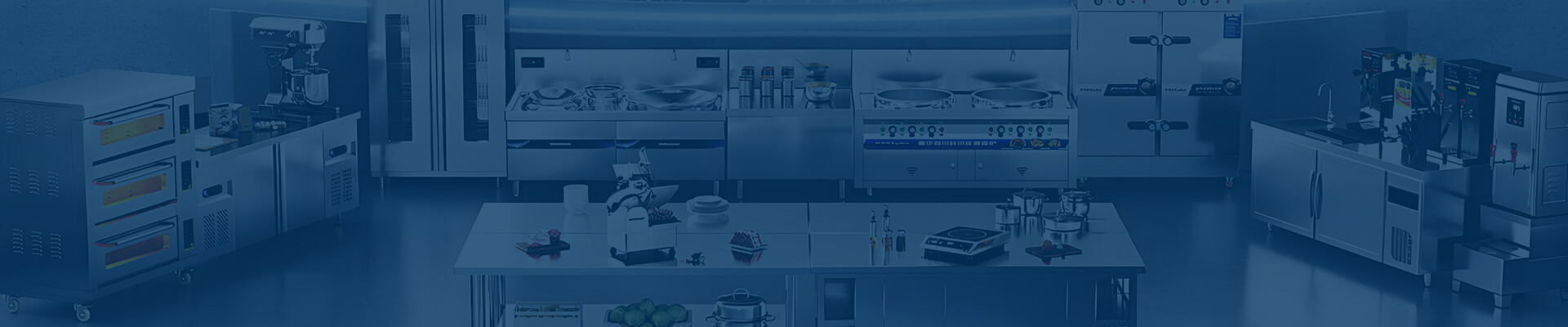
The cooking area includes gas wok stoves, induction cookers, steamers, fryers, griddles, ovens, and soup cookers.
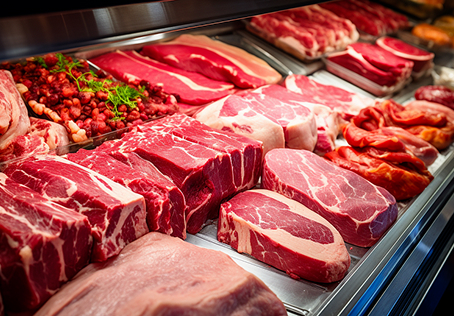
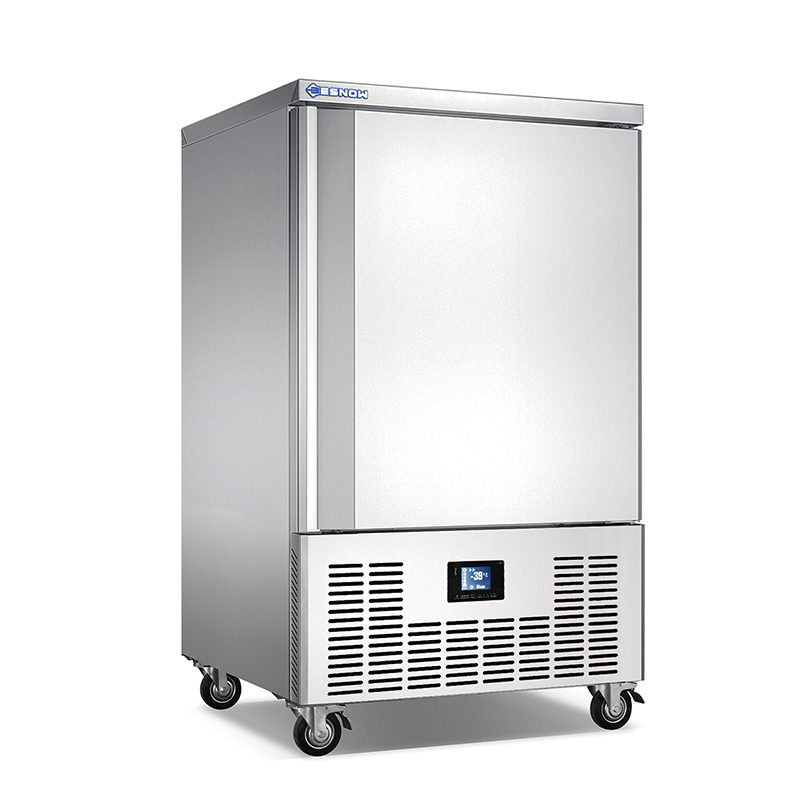
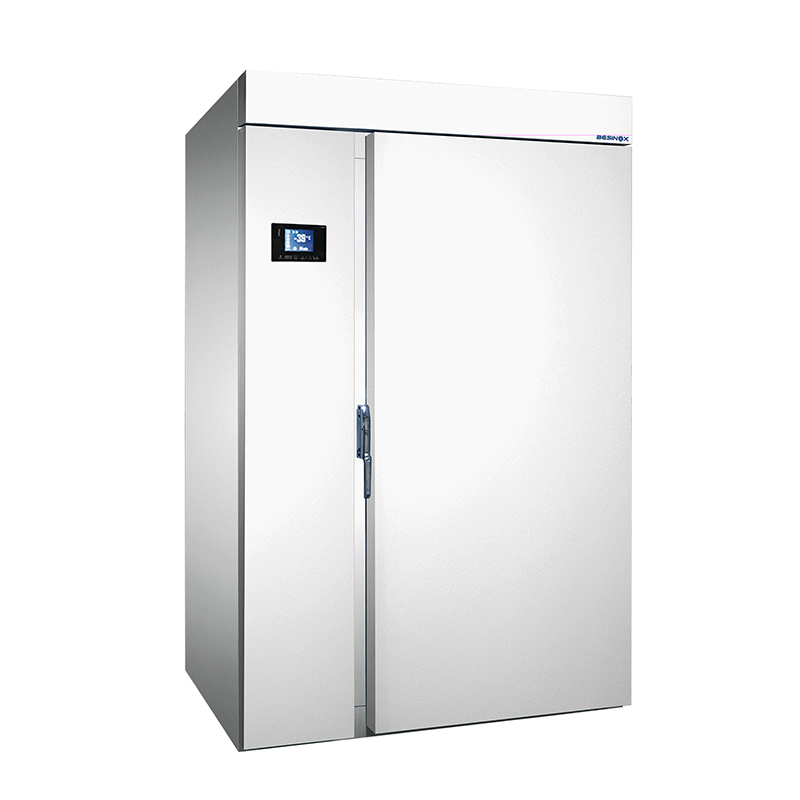
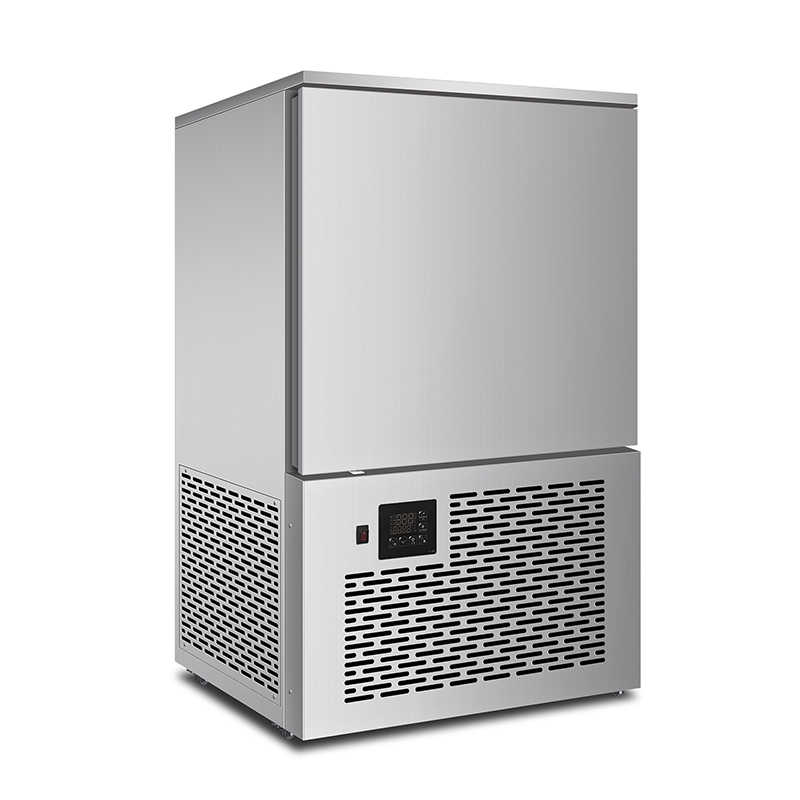
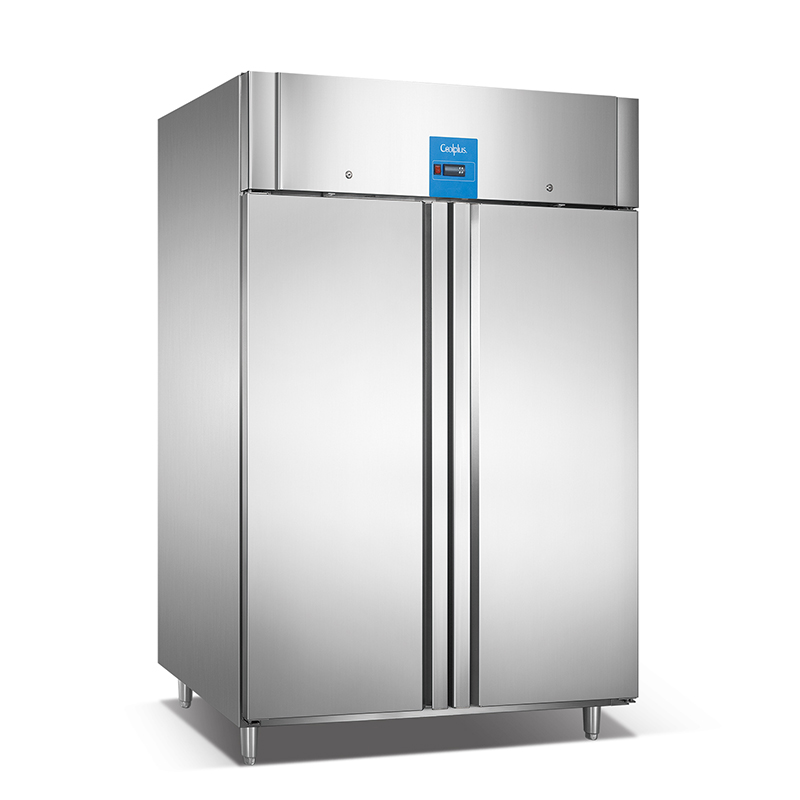
Refrigerated workbenches, double-door refrigerators, freezers, and blast freezers in the refrigeration area.
The cleaning area includes a triple sink, dishwashers (conveyor/lift-top type), and a food waste disposal system.
Stainless steel workbench, warming cabinet, and cutting table in the food preparation area
Smoke extraction system includes smoke hoods, fume purifiers, fans, and fire dampers.
Smoke exhaust system: requires professional calculation of air volume (usually 40-60 air changes per hour), and is equipped with a high-efficiency electrostatic/UV photolysis fume purifier to ensure that emissions meet the requirements and standards of the local government.
Make-up air system: balances indoor negative pressure, ensuring combustion efficiency and personnel comfort.
Noise control: Silencers are installed on the fans to avoid disturbing residents.
IV. Trends in Intelligentization and Energy Saving
Intelligent monitoring: remote control of equipment start/stop, energy consumption monitoring, and fault alarm.
Energy integration: adopt a gas + electricity hybrid solution, or connect to a solar water heating system.
Central control system: integrates subsystems such as lighting, air conditioning, smoke extraction, and security.
One-stop service: from design, installation, application for permits to after-sales maintenance.
Modular design: Facilitates future expansion or relocation.
Training support: Equipment use and safety training for operators.
Commercial kitchen chiller and freezers are indispensable refrigeration equipment in commercial kitchens, primarily used for the refrigeration, preservation, and freezing of various food ingredients to ensure food safety, extend shelf life, and improve kitchen operational efficiency.
BEUEA can provide catering service companies with all the commercial refrigeration equipment they needs including various standard and customized refrigeration equipment, and try best to solve the following industry pain points.
I. Pain Points in Cooling Performance
1. Temperature is unstable or fails to reach the set value.
reason:
High-frequency door opening and closing (especially during peak hours);
Overloading or obstruction of ventilation ducts by overloaded or stacked goods;
Compressor aging, refrigerant leakage;
The ambient temperature is too high (such as in a kitchen without air conditioning in the summer).
Consequences: Food spoilage, bacterial growth, and increased food safety risks.
2. Uneven temperature inside the chamber
Ice buildup on the upper part of the refrigerated compartment, higher temperatures on the lower part, or premature spoilage of food in corners.
Root causes: unreasonable air-cooling system design, fan failure, and lack of zoned management.
II. Pain Points of Usage Costs
1. Electricity costs remain high.
Commercial freezers operate 24 hours a day, and older equipment can consume an average of 8-15 kWh of electricity per day.
Aging door seals, damaged insulation layers, and frequent door openings lead to heat loss.
Non-inverter compressors start and stop frequently, resulting in low efficiency.
2. The "Fake Energy Saving" Trap
Some low-priced freezers are labeled as energy-efficient, but their performance drops sharply in the hot and humid kitchen environment, making them actually consume more electricity.
III. Pain Points in User Operation
1. Inefficient use of space
The fixed divider cannot be adjusted, making it difficult to fit different sized food containers;
Excessive depth can cause the ingredients at the back to be "forgotten," resulting in waste.
2. Inconvenient to retrieve items & conflict with traffic flow
Horizontal freezers require bending over to search for items, which is inefficient;
The placement of the freezer is unreasonable and obstructs the flow of movement in the kitchen (such as blocking the food serving passage).
3. Noise interference
Compressor or fan noise > 80 dB affects employee communication and customer experience (especially in open kitchens).
IV. Maintenance and Hygiene Pain Points
1. Severe frost/water accumulation
Manually defrosted freezers require periodic shutdowns for cleaning, which disrupts business operations.
Clogged drain holes cause water to accumulate inside the cabinet, leading to mold growth and unpleasant odors.
2. Difficult to clean
The inner liner has dead corners, exposed screws, and moldy sealing strips;
Scratches on stainless steel surfaces can trap dirt and grime, failing to meet food safety inspection requirements.
V. Pain Points of Intelligentization
1. Lack of temperature control records
Traditional mechanical temperature control cannot trace historical temperatures, making it difficult to pass HACCP or ISO22000 audits.
They were unable to provide evidence of compliance during food safety inspections.
2. Multiple stores cannot be monitored uniformly.
Each store of a chain brand operates its own refrigerated display case, making it impossible for headquarters to monitor the equipment status in real time.
The food waste rate is high, but the cause is difficult to pinpoint.
3. Slow fault response
The lack of remote alarm function meant that power outages or high temperatures could not be detected in time, resulting in the spoilage of the entire cabinet of food.
VI. Pain Points of Environmental Adaptation
1. Differences in usability due to varying regional climates and environments.
Climate varies greatly around the world; some regions are hot and dry, others are hot and humid, some are moderately warm and humid, and still others are high in salinity, among other things. Standard freezers are designed for an ambient temperature of ≤ 32℃, but in some regions, summer temperatures often reach 40℃+.
Commercial freezers need to have their refrigeration performance improved and optimized to suit the different atmospheric environments of different regions.
2. Significant differences in usage environment
Developed countries generally have well-maintained kitchen environments with effective control over temperature, humidity, ventilation, fumes, dust, and fog. However, kitchen environments in most developing countries are relatively harsh, posing a significant challenge to refrigeration equipment. The same product can perform drastically differently in different kitchen environments, resulting in vastly different operating costs.
3. Prone to damage in areas with unstable voltage.
In underdeveloped countries and regions, inadequate infrastructure often leads to unstable voltage. In some older buildings, voltage instability can also occur due to overloaded electrical equipment or aging wiring, which can cause kitchen freezers to fail to start or even become damaged.
BEUEA’s kitchen refrigeration equipment try to solve these pain points by optimizing the product's refrigeration system based on the user's region/country and local usage environment.
Improvements include optimizing the product's airflow structure, increasing the thickness and density of the insulation layer, using thermal break frame profiles, matching high-power, high-efficiency compressors and refrigerants, employing customized heat dissipation devices, adopting digital temperature controllers, high-efficiency, low-noise fans, and featuring a rounded corner design for easy cleaning of the enclosure. Additionally, the compressor is equipped with a starter and operating capacitor.
BEUEA’s customization capabilities for commercial kitchen freezers include:
Adaptable to product sizes in different regions;
For specific temperature requirements, the temperature can be customized from -25 to 0℃;
Special types of refrigeration, such as air cooling and direct cooling;
Energy-saving design;
Environmentally compliant design;
To visit Guangzhou BEU Electric Appliance Co., Ltd. (called as BEUEA below) website, you are agreeing the terms and conditions within this policy.
BEUEA respects your privacy and will protect your information remains confidential.
We will not lease, sell, or rent your information to the third party for their independent use under any circumstances.