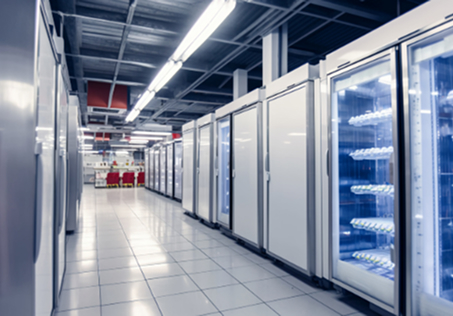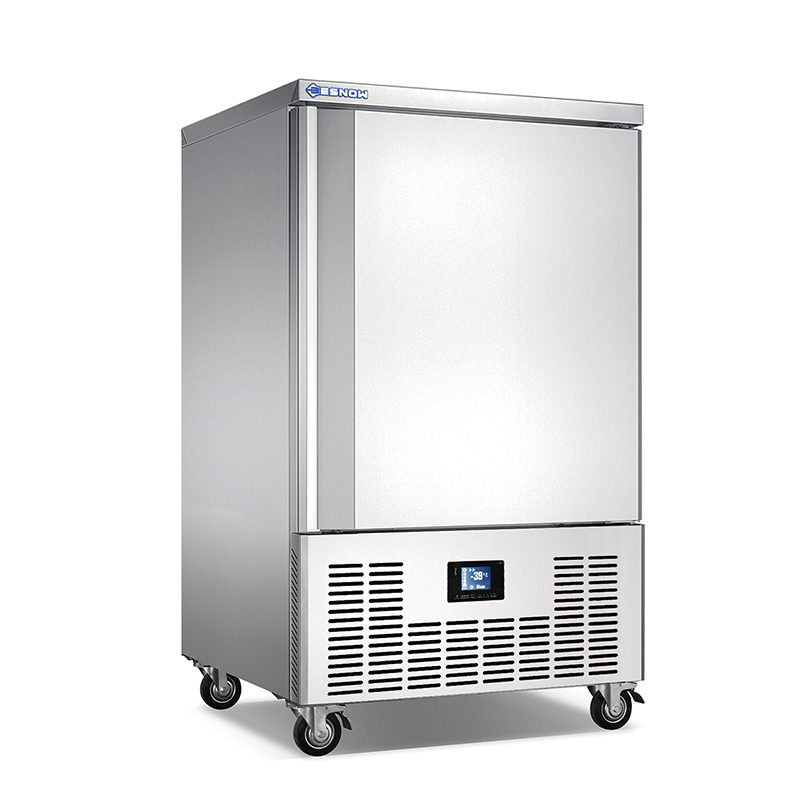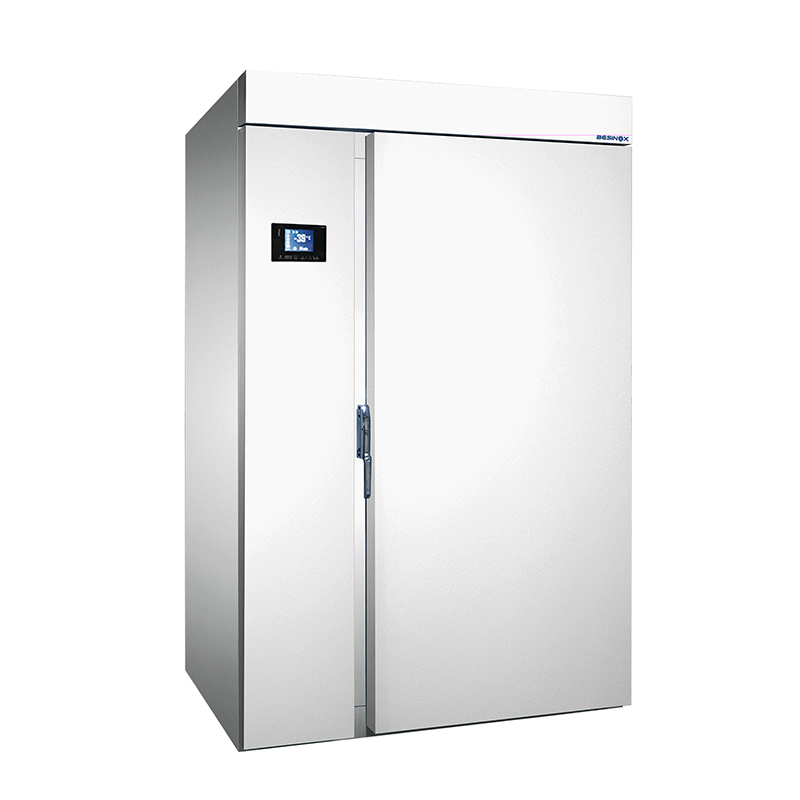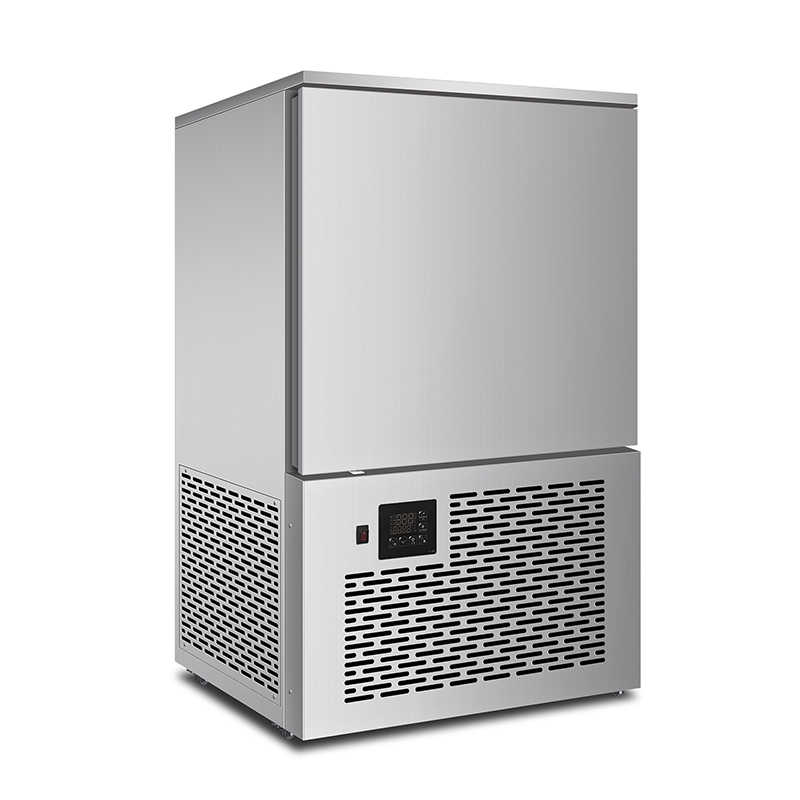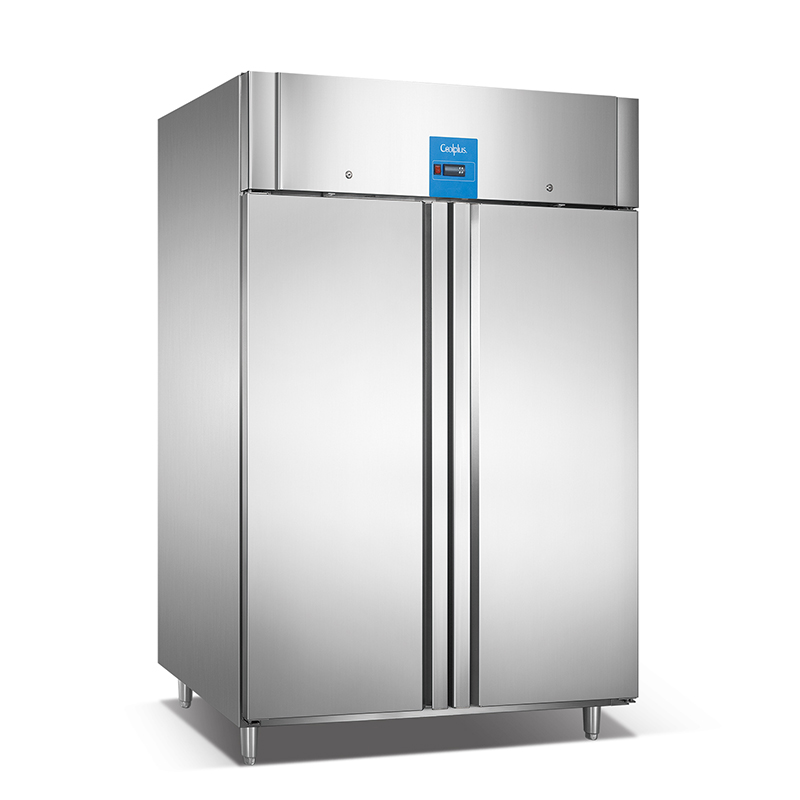
Built into indoor cabinets or combined with an outdoor barbecue kit , it provides ice-cold beer, drinks , and more for everyday family use or barbecue parties.
Home aging cabinets have become increasingly popular "advanced" kitchen appliances among food enthusiasts in recent years. Simply put, it's a "professional-grade refrigerator" that can precisely control temperature, humidity, and air circulation, allowing you to make dry-aged steaks at home that rival those in high-end Western restaurants.
Based on your interest in the technical details and commercial applications of refrigeration equipment, the following is an in-depth breakdown from four dimensions: core principles, core technologies, and user guidelines :
Why are aging cabinets needed?
The essence of dry aging is to use the beef's own enzymes to break down muscle fibers (tenderizing) under specific constant temperature and humidity conditions, while the evaporation of moisture concentrates the flavor and produces a unique nutty or cheese aroma.
Ideal parameters: Temperature must be strictly controlled between 0-4℃, humidity between 60%-85%, and combined with continuous air circulation and ultraviolet sterilization.
Pain points for home use: Ordinary refrigerators have large temperature fluctuations, uncontrollable humidity, and are prone to cross-contamination of odors, making it impossible to achieve proper aging and instead causing meat to spoil.
Core technologies (refrigeration and environmental control):
From the perspective of refrigeration and environmental control technology, an excellent curing cabinet must have the following core configurations:
Temperature and humidity decoupled control: This is the core of high-end curing cabinets. Humidification in ordinary refrigeration equipment often affects the temperature, while professional curing cabinets achieve independent and precise control of temperature and humidity through independent sensors and humidification systems (temperature amplitude controlled within 0.5℃, humidity amplitude controlled at around 25%).
Airflow and sterilization design: The cabinet requires uniform air circulation to prevent localized dryness or icing. It must also be equipped with UVC ultraviolet sterilization and activated carbon air filtration to inhibit bacterial growth and prevent odor contamination. Some high-end models also include Himalayan salt bricks to regulate the microenvironment.
Materials and Insulation: The inner liner must be made of food-grade stainless steel (resistant to high humidity and high salt corrosion), and the door is usually made of double-layered anti-condensation tempered glass, with a thickened foam layer to ensure insulation performance.
Choosing Guide :
Capacity selection: For home use, avoid overly large cabinets. It is recommended to choose a small cabinet with a capacity of 60L-120L. Larger capacities not only take up space, but also lead to low space utilization and energy waste if the meat is not fully stored.
Common mistakes when using UV lamps: UV lamps should never be left on 24 hours a day, otherwise they will kill the beneficial bacteria responsible for ripening. The correct approach is to turn them on for 1-2 hours after weekly cleaning to sterilize them.
Ingredient selection: Beginners must use chilled beef (such as Australian grain-fed Angus ribeye), and never use frozen meat (it will release a lot of blood after thawing, making it very easy to mess up). It is recommended to start with an aging time of 14-21 days. The marginal effect of aging for too long on flavor improvement diminishes, and the loss rate will increase significantly.
Dual-mode dry and wet: Many domestic models now support one-click switching between "dry curing" and "wet curing (vacuum low-temperature acid removal)," making them multi- functional and more cost-effective.
If your main purpose is to occasionally grill a good steak at home, a domestically produced, cost-effective small aging cabinet is perfectly sufficient to meet your needs.
Home freeze dryers (vacuum freeze dryers) have become increasingly popular as an "advanced" kitchen appliance among health enthusiasts and outdoor adventurers in recent years. Their core principle is to sublimate the moisture in food from a solid (ice) state to a gaseous state in a vacuum environment, thereby preserving the food's nutrients, color, and flavor to the greatest extent possible while achieving an ultra-long shelf life.
Based on your interest in the technical details and commercial applications of refrigeration equipment, the following is an in-depth breakdown from four dimensions: freeze-drying principle, core technological barriers, and user guidelines:
Why do we need freeze dryers?
The essence of freeze-drying technology is "low-temperature dehydration".
The optimal parameters are: the ingredients need to be pre -frozen below freezing point (usually between -30°C and -40°C), and then heated by a partition in a high vacuum environment (usually below 50Pa) to allow the ice crystals to sublimate directly.
Pain points for home use: Traditional hot air dryers (fruit dryers) can damage the cell structure and heat-sensitive nutrients of food, while freeze dryers can rehydrate at room temperature, almost restoring the food to its original state when it was just picked.
Core technologies (refrigeration and vacuum)
From the perspective of refrigeration and vacuum technology, an excellent home freeze dryer must have the following core features:
Cryogenic technology: The core of home-use water heaters lies in the temperature of the cold trap (water trap). Entry-level models typically operate at -30°C to -40°C, while high-performance models can reach -55°C or even below -60°C. Lower cold trap temperatures mean stronger water trapping capabilities and faster sublimation rates.
Vacuum system: A high-performance vacuum pump (such as a rotary vane oil pump or an oil-free silent pump) is required to ensure that the freeze-drying chamber can quickly reach and maintain a high vacuum state.
Intelligent temperature control and endpoint determination: High-end models use built-in sample temperature probes and vacuum sensors to intelligently determine the eutectic point and freeze-drying endpoint of the material, avoiding over-drying or under-drying, and also support custom freeze-drying curves.
Choosing Guide
Distinguishing between "freeze dryers" and "dryers": Food air dryers/dryers costing a few hundred yuan on the market only dehydrate by heating with hot air, not through vacuum freeze drying. Genuine freeze dryers typically cost several thousand to tens of thousands of yuan.
Capacity selection: For home use, avoid choosing a large capacity. It is recommended to choose a small freeze-drying machine with a freeze-drying area of 0.1-0.3 square meters (single processing capacity of 1-3 kg). Large capacity freeze-drying machines not only take up space, but also have a long single freeze-drying cycle of 24-48 hours and higher energy consumption.
Pre-freezing: Although some models support in-machine pre-freezing, in order to shorten the overall cycle, it is recommended to freeze the food thoroughly in a regular freezer before putting it into the freeze dryer.
Ingredient preparation: The ingredients should not be cut into pieces that are too thick (it is recommended not to exceed 1 cm), and they should not contain a lot of oil or pure sugar (such as honey), otherwise they cannot be freeze-dried.
If your main purpose is to make healthy snacks at home (such as freeze-dried fruit and yogurt cubes) or additive-free snacks for your pets, a high-performance, cost-effective domestic freeze dryer is sufficient to meet your needs.

To visit Guangzhou BEU Electric Appliance Co., Ltd. (called as BEUEA below) website, you are agreeing the terms and conditions within this policy.
BEUEA respects your privacy and will protect your information remains confidential.
We will not lease, sell, or rent your information to the third party for their independent use under any circumstances.